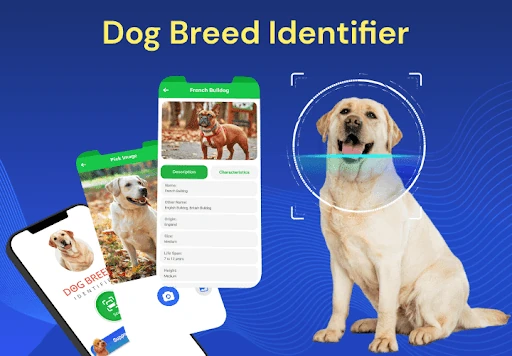
Dog Breed Identifier by Photo
Accoriate Corporation
Downloads
50,000+
Version
Latest
Click to download now, finish the installation quickly, and directly unlock the "all-round experience"
Screenshots


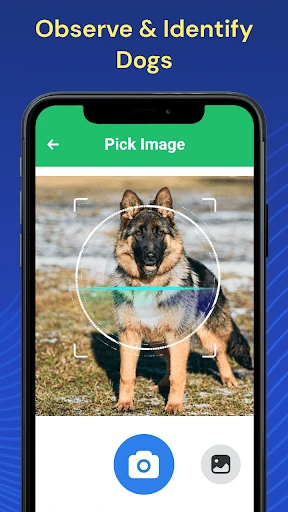
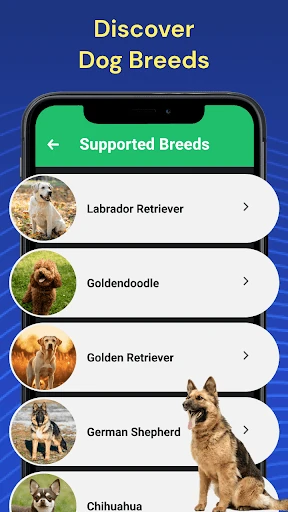
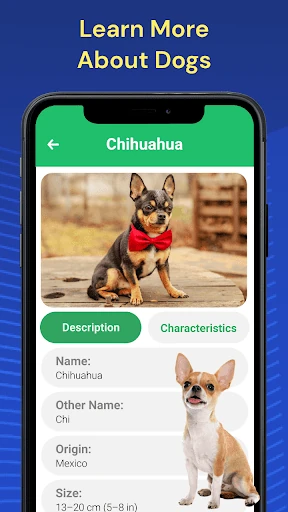
Click to download now, finish the installation quickly, and directly unlock the "all-round experience"
Dog Breed Identifier by Photo carves a unique niche at the intersection of practicality and lifelong learning within the Education landscape. It transforms passive observation (spotting a dog in the park) into an immediate and satisfying educational moment, effectively gamifying the process of canine knowledge acquisition. Rather than a formal educational tool, it serves as a highly accessible, real-time reference manual for dog enthusiasts worldwide.
Based on the description, the UX philosophy appears centered on immediate utility and clarity, which is appropriate for the Education category. A successful design would likely feature a prominent, easy-to-access camera button, a clean results screen prioritizing the breed name and key characteristics, and a straightforward navigation flow to deeper breed profiles. The core expectation is speed—users want to point, shoot, and get an answer, even in non-ideal lighting or while the dog is moving. A cluttered interface or slow processing would critically undermine the app's value proposition.
To enhance its position, the next update should focus on robustness and community. Firstly, integrating a basic offline mode for recently searched breeds would add immense utility in areas with poor connectivity. Secondly, developers could introduce a "Possible Mix" or confidence indicator to manage expectations when identification is uncertain. Finally, adding a user-contributed photo gallery for each breed would enrich the database and help train the AI on more diverse examples, creating a virtuous cycle of improvement.
This app is ideally suited for dog lovers, prospective pet owners, and casual learners who encounter unfamiliar breeds in daily life. It is less a formal study tool and more a digital field guide for the modern world. The final verdict is a strong recommendation for its target audience, as it effectively solves a specific, recurring problem with a simple, utility-first approach. However, users should maintain realistic expectations about the challenges of AI-based visual identification.