BetterHelp - Therapy
BetterHelp - Therapy Made Easy
Downloads
1,000,000+
Version
Latest
Click to download now, finish the installation quickly, and directly unlock the "all-round experience"
Screenshots



Click to download now, finish the installation quickly, and directly unlock the "all-round experience"
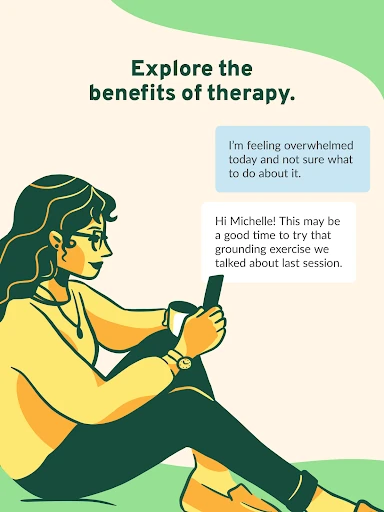
BetterHelp - Therapy is a significant entry in the Health & Fitness category, directly addressing the crucial yet often underserved pillar of mental wellness. It leverages a digital-first model to disrupt traditional therapy accessibility, operating as a comprehensive platform to connect users directly with licensed mental health professionals. Its primary value proposition lies in reducing barriers like cost, scheduling difficulty, and social stigma. For healthcare apps, which often focus on physical metrics, BetterHelp offers a vital service by focusing on psychological and emotional well-being, positioning itself as a holistic wellness solution.
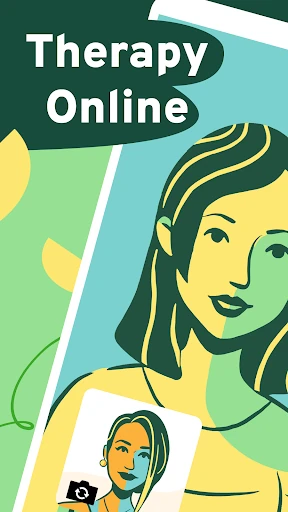
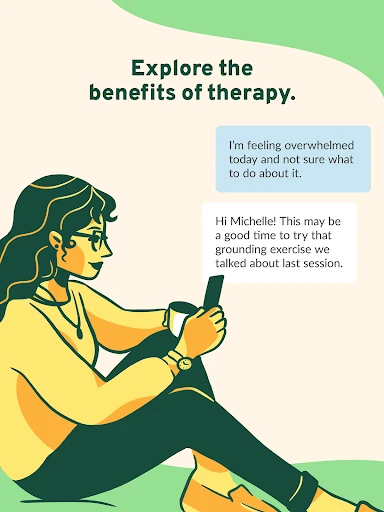
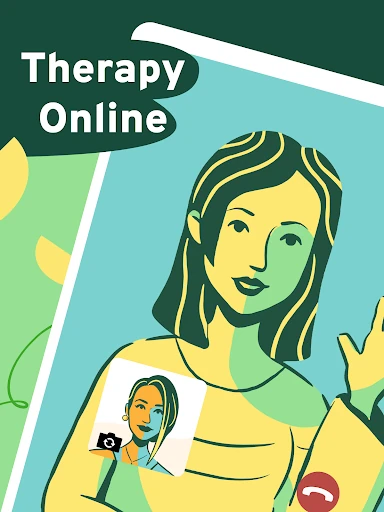
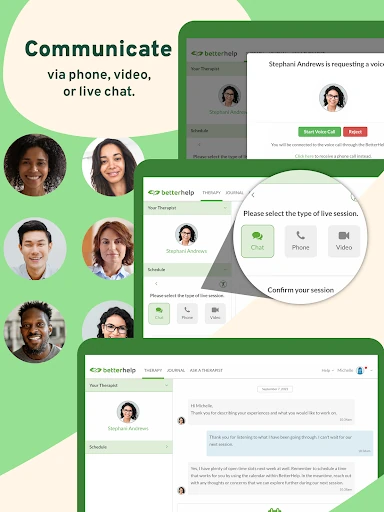
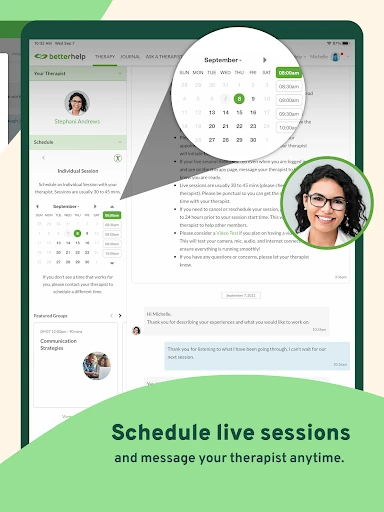
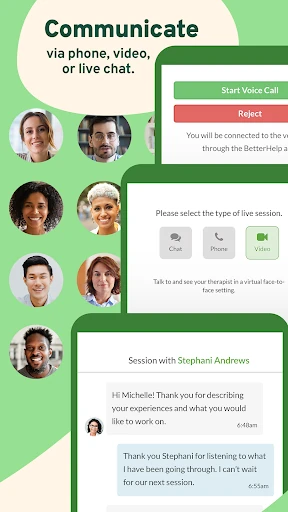
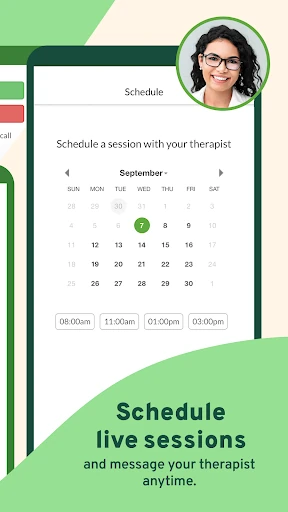
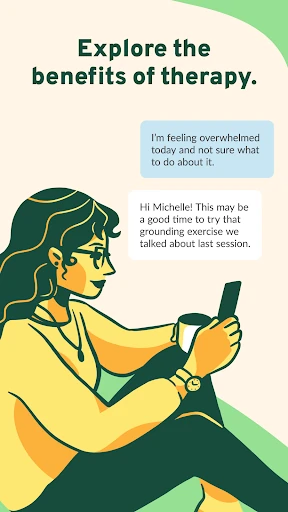
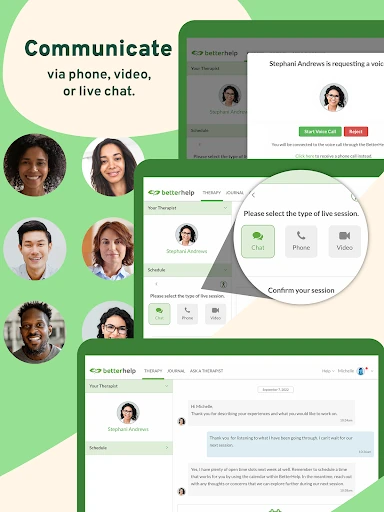
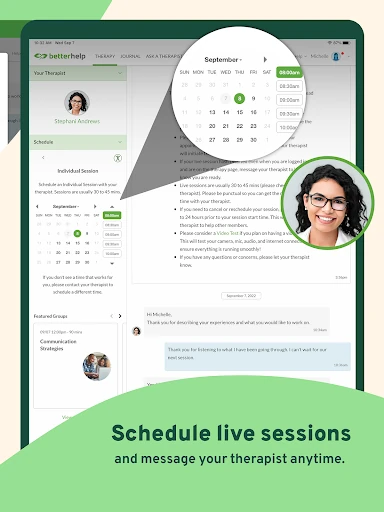
The interface prioritizes a calming, minimalist aesthetic, emphasizing security and privacy—a critical expectation for any health-related app. Onboarding is streamlined through a guided questionnaire that initiates the matching process, reducing initial friction. The core UX focuses on the central hub of the therapy room, making it easy to switch between message history, scheduling tools, and live session initiation. Navigation is intuitive and designed to minimize cognitive load, allowing users to focus on the therapeutic content rather than app mechanics. The design successfully adheres to the "professional yet accessible" standard expected for a high-stakes healthcare application.
To enhance its value, the next update could integrate more detailed therapist profiles from the web platform, such as introductory videos or detailed therapeutic approach descriptions, directly within the app to aid user confidence. Implementing a clearer, in-app breakdown of sliding-scale options or financial aid availability would improve pricing transparency. Furthermore, exploring features for family or multi-user plans with individual profiles under one account could make it more accessible for households managing collective mental health needs.
BetterHelp is highly recommended for individuals seeking convenient, flexible, and affordable therapy but who may be unable or unwilling to pursue traditional in-office routes. It is an excellent fit for busy professionals, residents of areas with few therapists, and those who prefer the privacy of remote communication. The final verdict is that it is a powerful, legitimate tool for mental wellness that successfully modernizes therapeutic access. However, users requiring in-person care or intensive, specialized therapy may need to use it as a supplement or consult with their primary care provider to determine fit.