Click to download now, finish the installation quickly, and directly unlock the "all-round experience"
Screenshots



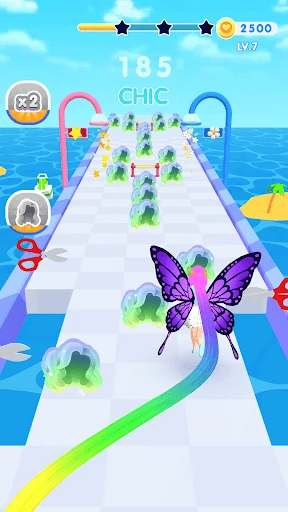
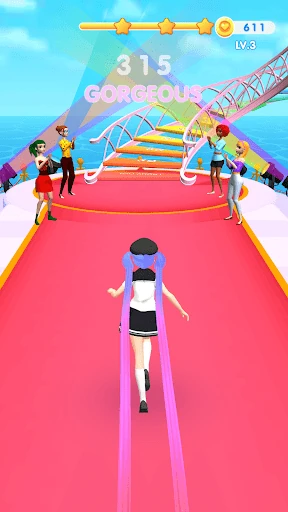
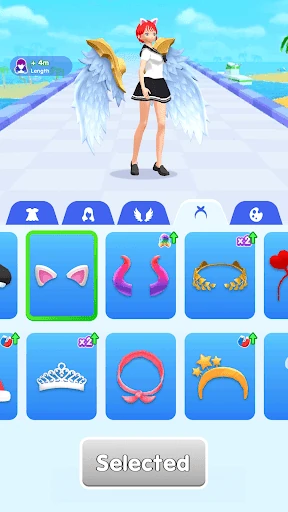
Click to download now, finish the installation quickly, and directly unlock the "all-round experience"
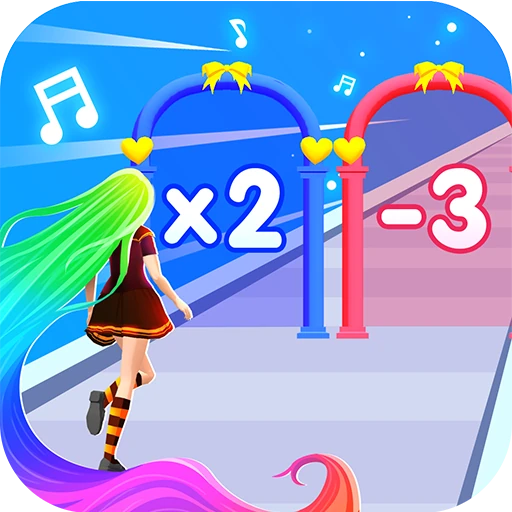
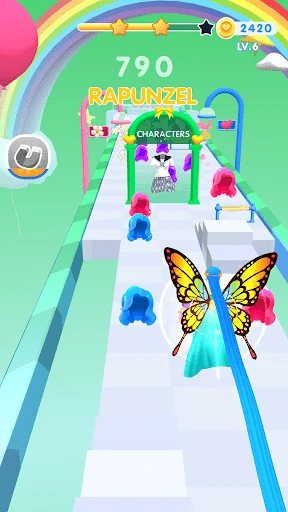
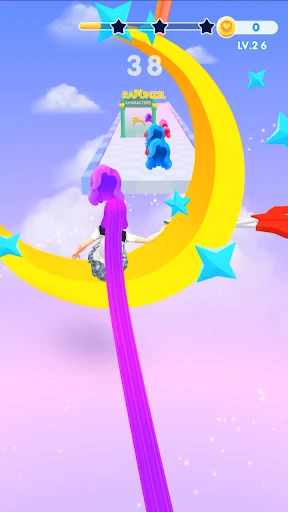
Dancing Hair: Dress Up presents an intriguing fusion of casual arcade gameplay and music interaction within the Google Play Music category. It is less a traditional music player or rhythm game and more a light, hair-collecting runner synchronized to popular tracks. This positions it uniquely as an accessible, stress-relieving experience for users seeking a playful, music-infused distraction rather than a deep musical challenge. The app's primary value lies in its novel core mechanic and its catalog of licensed hit songs.
The UI appears built for maximum simplicity and intuitiveness, which aligns with casual game standards. The core action—swiping left and right—is a universally understood mobile interaction, minimizing friction. Visually, the emphasis on "majestic hair" and fashion suggests a vibrant, likely colorful aesthetic aimed at a younger, style-conscious audience. However, for a title in the Music category, the experience may feel more like a themed runner than a music-focused app. True music apps often offer more control over playback, playlists, or deeper rhythmic engagement, whereas here the music primarily serves as a dynamic soundtrack.
To enhance its standing and longevity, the next update should focus on deepening the music integration. Introducing gameplay modes where swipe patterns must match specific song beats more precisely would better justify its Music category placement. A social feature allowing users to showcase their dressed-up character on the runway to friends could drive engagement. Furthermore, clarifying the monetization model (e.g., ad-supported, in-app purchases for songs/outfits) within the store description would set clearer user expectations. Proactively securing longer-term music licenses would also help move the legal notice from the description to a dedicated settings page.
Dancing Hair: Dress Up is best suited for casual gamers, particularly a younger audience, who enjoy simple, satisfying tap games and want to interact with popular music in a novel, low-stakes way. It is not recommended for users looking for a pure music player, a complex rhythm game, or deep strategic gameplay. The final verdict is a cautiously positive one: it executes its unique hybrid concept competently and offers fun, momentary entertainment, but its long-term appeal hinges on the developers expanding its musical gameplay depth and social features.