Backyard Wildlife: A Beginner's Guide to the Animals Around Your Home
What common animals live in US backyards and what should I know about them?
On this page
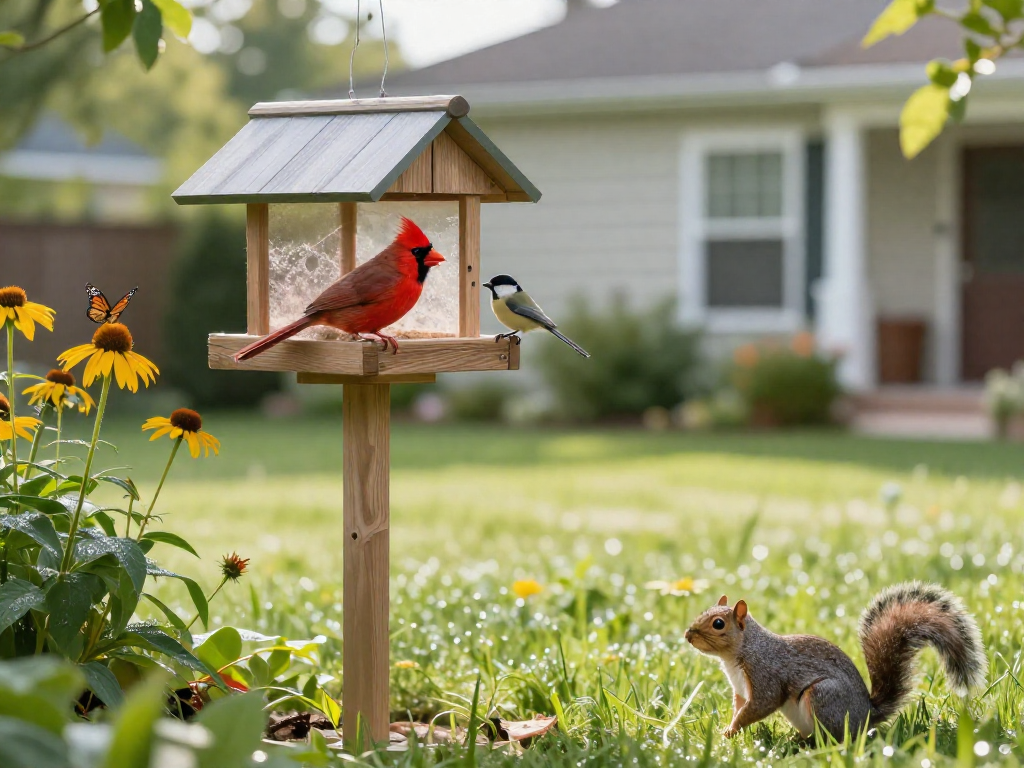
Your Backyard Is a Tiny Ecosystem
That patch of grass behind your house might host more than 1,000 species of animals, plants, and fungi—a number researchers have actually documented in suburban yards. You don't need a forest or a national park to find wildlife. You just need to look a little closer.
The trick is to stop seeing your yard as one flat space and start seeing it as a stack of habitat layers (separate zones where different creatures live):
- Underground: earthworms, moles, and burrowing insects
- Ground level: rabbits, chipmunks, beetles, and toads
- Shrubs and bushes: songbirds, spiders, and nesting cardinals
- Tree canopy: squirrels, owls, and woodpeckers
- The air above: dragonflies, bats, and hummingbirds
Animals show up for four simple reasons: food, water, shelter, and a safe place to nest or raise young. A bird feeder, a leaky faucet, a brush pile, or a hollow tree can each be the reason a particular critter calls your yard home.
There's also a built-in schedule. The day shift—robins, butterflies, squirrels—clocks out around dusk, and the night shift takes over: raccoons, opossums, owls, and bats. Many of the animals sharing your yard are ones you've simply never been awake to meet.
This guide will help you recognize who's out there, when, and why.
Birds: The Backyard Regulars
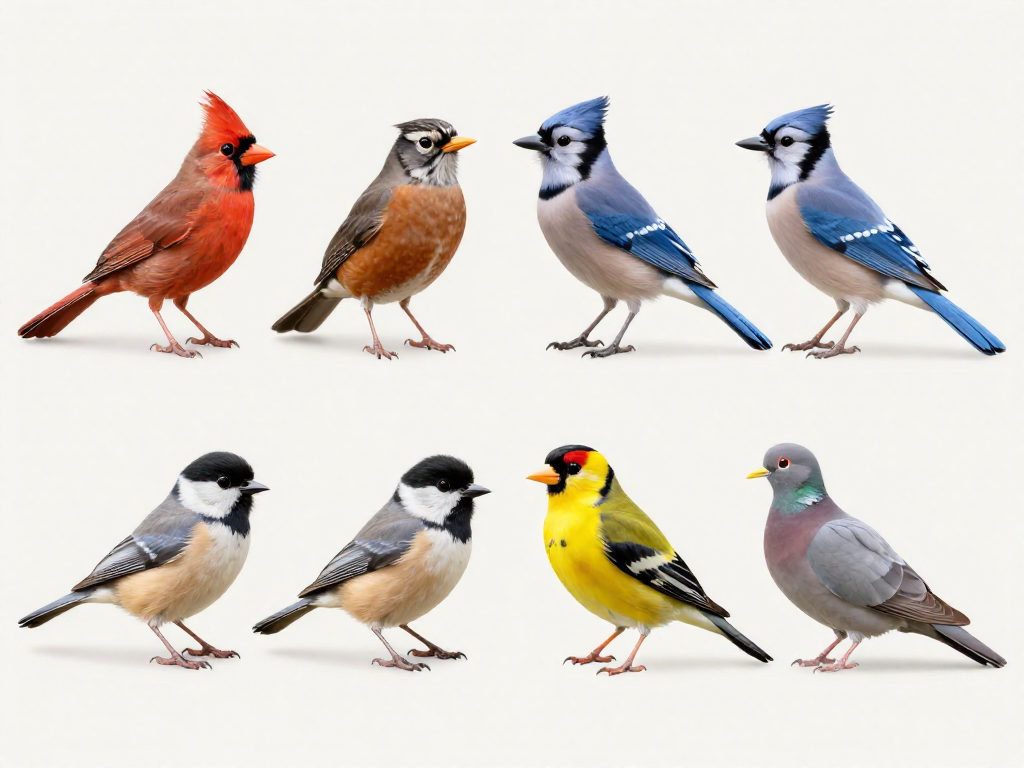
A Clark's nutcracker can remember the locations of tens of thousands of seeds it buried months earlier, scattered across miles of terrain. Birds are the brainy, easy-to-spot stars of your backyard—and once you know what to look for, you'll never see them as "just birds" again.
The usual crowd
Across most of the US, a handful of species show up again and again:
- American robin — orange belly, often hopping across lawns hunting worms
- Northern cardinal — the male is unmistakable bright red; the female is warm tan with red accents
- Blue jay — bold blue, loud, and clever
- Black-capped chickadee — tiny, with a black cap and a "chick-a-dee-dee" call
- House sparrow — small, brown, and almost everywhere
- Mourning dove — slim, gray-tan, with a soft cooing whistle
Quick ID cues
You don't need binoculars and a field guide to start. Focus on four things: size (sparrow-small vs. robin-medium vs. crow-large), color and markings, beak shape (thick cone-shaped beaks crack seeds; thin pointed beaks grab insects), and song. Many birders identify species by sound alone before they ever see the bird.
What they eat—and why feeders differ
Beak shape is a menu. Cardinals and finches crave seeds, so they love tube and hopper feeders. Insect-eaters like robins prefer the ground or fruit. Hummingbirds sip nectar. Matching the feeder to the bird is why one yard hosts a different crowd than the next.
Visitors vs. residents
Some birds—like cardinals and chickadees—stick around all year. Others are seasonal: many warblers and hummingbirds migrate through in spring and fall, so your backyard cast changes with the calendar.
The memory marvel
Back to that nutcracker: birds in the chickadee and jay family practice "caching" (hiding food to retrieve later), and their hippocampus—the brain's memory hub—can actually grow in fall to handle the workload. A creature the weight of a few coins out-remembering most people? That's the kind of wonder waiting outside your window.
Mammals: From Squirrels to Surprise Night Visitors
A single opossum can eat thousands of ticks in a season, making one of your spookiest-looking night visitors a genuine pest-control hero. Backyard mammals are easy to overlook, but once you know who's who, your yard turns into a front-row seat for wild behavior.
Quick answer: Most backyard mammals fall into two shifts — daytime regulars and a nocturnal crew — and the vast majority are simply passing through to eat, drink, or rest.
The Daytime Regulars
These are the ones you'll spot most often:
- Gray squirrels — busy acrobats burying nuts (they recover only a fraction, accidentally planting trees in the process).
- Chipmunks — striped, palm-sized ground-dwellers that stuff food into cheek pouches.
- Cottontail rabbits — most active at dawn and dusk, nibbling grasses and garden greens.
The Nighttime Crew
After dark, a different shift clocks in:
- Raccoons — clever, dexterous foragers (their front paws have a remarkable sense of touch).
- Opossums — North America's only marsupial (a mammal that carries young in a pouch), and surprisingly good at eating ticks and cleaning up fallen fruit and pests.
- Skunks — gentle diggers that spray only as a last resort after clear warnings.
- Deer — frequent edge-of-yard browsers in many suburbs.
Reading the Signs
You don't need to see an animal to know it visited. Look for tracks in mud or snow, small cone-shaped diggings (skunks and raccoons hunting grubs), scat, and chewed plants with clean angled cuts (often rabbits).
Normal vs. Worth a Second Look
A nighttime raccoon or a midday squirrel is completely normal. Contact your local wildlife agency or a licensed rehabilitator if you see an animal that appears injured, shows no fear of people, moves in tight circles, or is active in ways that seem clearly unusual for its species — and never try to handle or feed wildlife yourself.
Reptiles, Amphibians, and Pollinators
A single backyard toad can gobble up to 10,000 insects in one summer—a free, hopping pest-control crew working the night shift. The smallest creatures in your yard often do the biggest jobs, and most of them want nothing to do with you.
The harmless hiders. That quick rustle in the leaves is usually a lizard (like a skink or anole) or a garter snake, both of which eat insects, slugs, and the occasional rodent. In the US, the vast majority of backyard snakes are non-venomous, and garter snakes in particular are mild-mannered. Toads and frogs round out the amphibian crew (amphibians are animals that live part of their lives in water and part on land). Their wet skin makes them sensitive to pollution, which is exactly why their presence is good news.
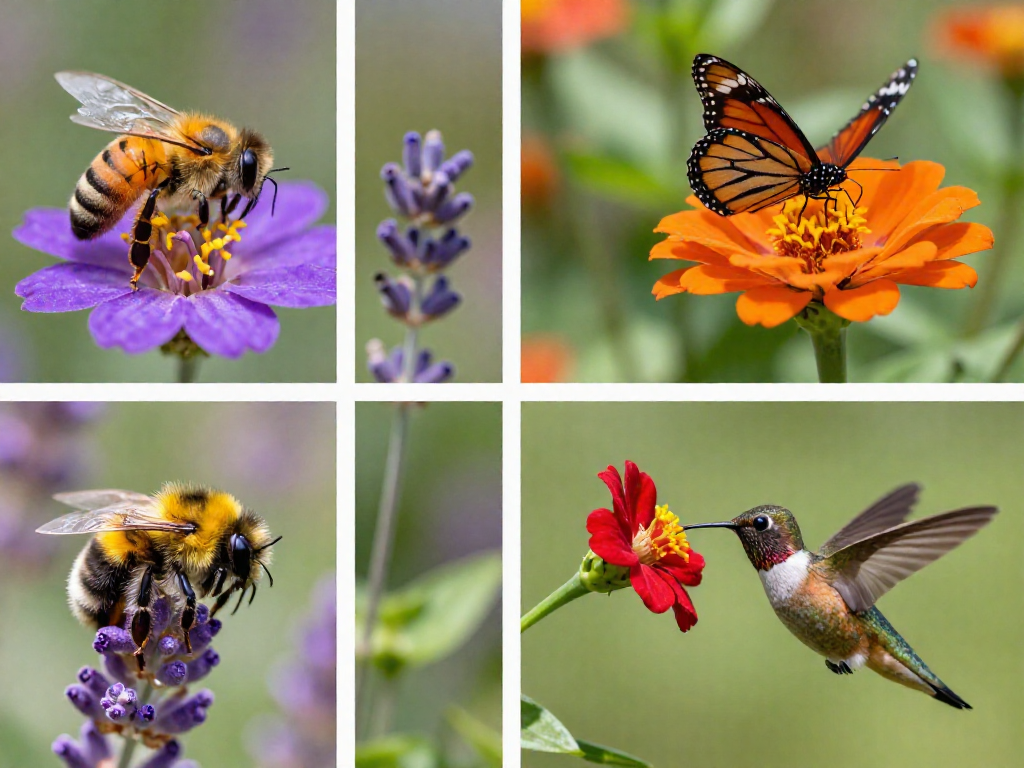
The pollinators. Bees, butterflies, and hummingbirds move pollen from flower to flower as they feed, helping plants make seeds and fruit. Pollinators are tied to roughly 1 in 3 bites of food humans eat, according to the USDA—and your garden flowers depend on them too.
The helpful bugs. Not every insect is a pest. Ladybugs devour aphids by the hundreds, dragonflies snap mosquitoes out of the air, fireflies light up summer nights, and most backyard spiders quietly trap flies and gnats.
Why it all matters. When these small, sensitive species show up, it usually means your yard has clean water, varied plants, and few harsh chemicals. They're a living report card for a healthy patch of ground. Watch and enjoy them—but skip the handling, and call a local wildlife expert if you're ever unsure what you've found.
How to Tell Who's Visiting
You don't need to spot an animal to know it stopped by—most leave a calling card. Reading these clues turns your yard into a detective's playground.
Look for the signs. Wildlife pros use the same five clues you can:
- Tracks: Look in mud, snow, or soft soil. Raccoon prints look like tiny human handprints; a deer's split-heart hoofprint is unmistakable.
- Scat (droppings): Size, shape, and contents (like berry seeds or fur) hint at who—and what—was eating.
- Sounds: A barred owl's "who-cooks-for-you?" call and a chipmunk's sharp "chip" are easy to learn.
- Nests and burrows: Cup nests in shrubs, holes at the base of a fence, or chewed acorns under an oak.
- Feeding signs: Gnawed nuts, stripped pinecones, or flowers nibbled overnight.
Pick the right time. Activity peaks at dawn and dusk, when many animals (called crepuscular, meaning active at twilight) come out. Nocturnal visitors like opossums and raccoons show up after dark—a porch window is a safe front-row seat.
Use free tools. The Cornell Lab's Merlin Bird ID identifies birds by photo or song, iNaturalist crowdsources IDs for almost any creature, and Seek is a kid-friendly camera app that names plants and bugs on the spot.
Keep a sightings log. Jot the date, time, weather, and what you saw in a notebook or phone note. Over weeks, patterns emerge—and your notes can even contribute to community science projects on iNaturalist.
Watch from a distance and let wildlife stay wild.
Coexisting Safely and Responsibly
Here's a surprising truth: the kindest thing you can do for most backyard animals is to leave them alone. A fed raccoon or deer can lose its natural wariness, and a "rescued" fawn is often a healthy baby whose mother is hiding nearby on purpose.
Look, don't touch (or feed). Enjoy wildlife from a distance. The big exception is bird feeders, which are fine when done right: clean them every two weeks with a 10% bleach solution to prevent disease spread, and skip them during local avian flu or salmonella outbreaks. Never hand-feed mammals.
Prevent conflicts before they start. Most "problem" animals are just following an easy meal. Secure trash in latching or bungee-strapped bins, bring pet food indoors at night, and seal gaps in sheds, decks, and attic vents (a chimney cap and quarter-inch hardware cloth go a long way).
Found an injured or orphaned animal? Don't take it in—it's often illegal and risky for both of you. Many young animals aren't actually orphaned. Watch from afar and keep pets and kids away.
Who to call. For a sick, injured, or truly orphaned animal, contact a licensed wildlife rehabilitator (search your state wildlife agency's directory). For an aggressive animal, one acting strangely, or a public-safety concern, call animal control or your local non-emergency line.
Invite More Wildlife (If You Want To)
Want a busier backyard? A single birdbath can attract dozens of species that would otherwise pass you by — and the upgrades that draw them are simple, cheap, and mostly about working with nature instead of against it.
Start with these four moves:
- Add water. A birdbath or shallow dish gives birds, bees, and other visitors a place to drink and bathe. Keep it shallow (about 1–2 inches), put a few stones in for footing, and refresh the water every couple of days so it stays clean.
- Plant native species. Native flowers and shrubs are matched to local wildlife, providing food and shelter that non-native ornamentals often can't. Native plants also support far more caterpillars — the main food many baby birds depend on.
- Provide cover. Brush piles, nesting boxes, and a corner of un-raked leaf litter give animals places to hide, nest, and overwinter.
- Skip the pesticides. Bug sprays and lawn chemicals can ripple up the food chain, harming the insects that birds, frogs, and other animals eat.
A few small changes go a long way. To match plants and boxes to your area, check your state wildlife agency or a local extension office.
FAQ
What is the most common animal in US backyards?
In most US backyards, the animals you'll see most often are birds (especially American robins, house sparrows, and mourning doves) and eastern gray squirrels. The eastern gray squirrel is a standout because it thrives in suburbs, where bird feeders and shade trees give it plenty to eat. What counts as "most common" varies by region and habitat, but if you watch any yard for a day, songbirds and squirrels are almost always the headliners.
Should I feed the wildlife in my backyard?
It's best to skip feeding most backyard wildlife, with one safe exception: properly maintained bird feeders. Wildlife agencies warn that feeding mammals like deer, raccoons, and foxes can make them lose their natural caution, gather in unhealthy numbers that spread disease, and become dependent on handouts. Bird feeding is fine as long as you clean feeders regularly (every week or two) to prevent disease. For everything else, the kindest move is to let wild animals find their own food.
Are backyard snakes dangerous?
The vast majority of backyard snakes in the US are harmless and actually helpful, eating rodents, slugs, and insects. Of roughly 150 snake species in the US, only a small number are venomous, and most common yard snakes (like garter snakes and rat snakes) are not. The safest rule is simple: never handle a snake you can't confidently identify, give it space, and it will almost always move on by itself. If you think a venomous species is present, contact your local wildlife or animal-control agency rather than trying to remove it yourself.
How do I know what animal is digging in my yard at night?
The best clues are the holes themselves, plus tracks and droppings. Many shallow, cone-shaped holes scattered across a lawn often mean a skunk or raccoon digging for grubs, while neat golf-ball-sized holes can point to chipmunks or voles, and larger burrows may belong to groundhogs. Because most diggers are nocturnal (active at night), the easiest way to catch the culprit is a motion-activated trail camera or a quick flashlight check after dark. Matching the hole size, soil pattern, and any footprints to an online tracking guide usually solves the mystery.
What should I do if I find a baby animal alone?
Most of the time, a baby animal alone is not abandoned, so the best first step is usually to leave it be. Many parents, including rabbits and deer, deliberately stay away during the day to avoid drawing predators to their young, and they return to feed them when it's quiet. Don't feed it or take it inside, since the wrong food and human handling can do real harm. If the animal is clearly injured, bleeding, or you've confirmed the parent is dead, call a licensed wildlife rehabilitator or your state wildlife agency for guidance before doing anything else.
How can I attract more birds and butterflies to my yard?
The single most effective step is planting native flowers, shrubs, and trees, because local wildlife evolved alongside them for food and shelter. Native plants supply nectar for butterflies and the caterpillars that baby birds depend on, and many bird species feed their chicks insects rather than seeds. You can add to this with a clean water source like a shallow birdbath, a few bird feeders kept tidy, and by skipping pesticides that wipe out the insects butterflies and birds need. Leaving a small patch of your yard a little wild, with leaf litter or native grasses, gives pollinators places to rest and reproduce.
See also
- Why Opossums Are Secretly Great for Your Yard
- How Birds Remember Where They Hide Their Food
- Backyard Pollinators: A Guide to Bees, Butterflies, and Hummingbirds
- Animal Tracks 101: Who Walked Through Your Yard?
- Are Garter Snakes Dangerous? What You Need to Know
Related articles

My Unpopular Opinion: Stop Calling Them 'Killer' Whales
Why should we stop using the term 'killer whale'?
Jul 28, 2026 · 3 min read
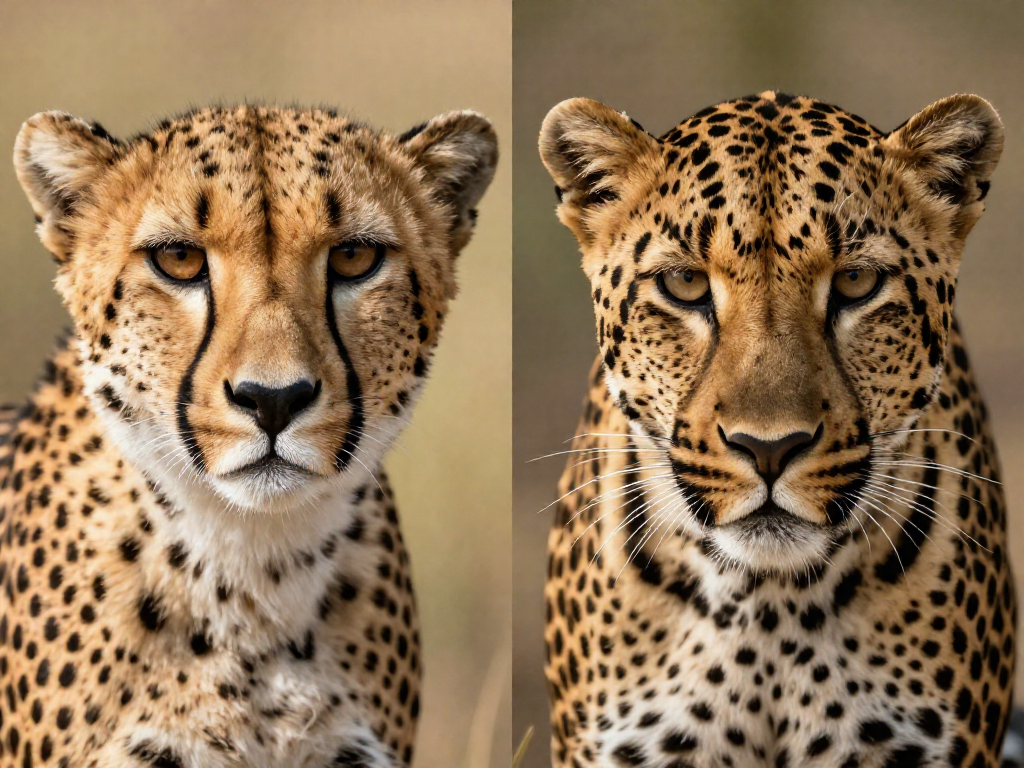
Cheetah vs. Leopard: Spotting the Difference in the Wild
How can you tell the difference between a cheetah and a leopard? Learn the key features including tear marks, spots, body shape, hunting styles, and sounds—all in one easy guide.
Jul 28, 2026 · 6 min read
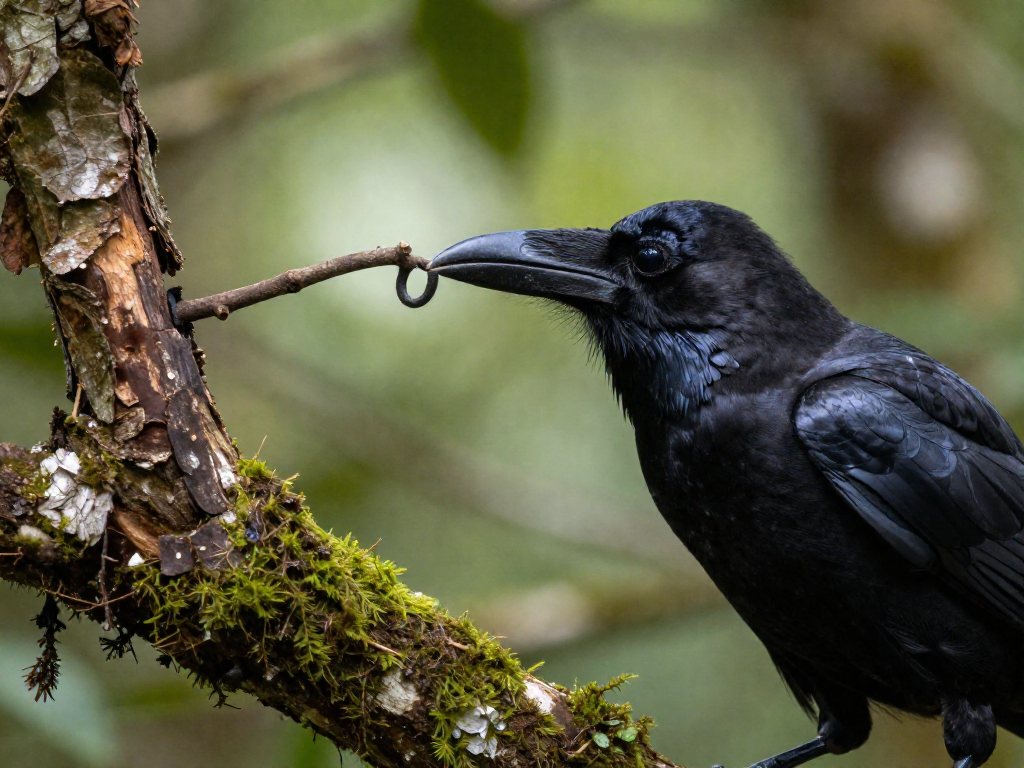
8 Animals That Use Tools (And What They Do with Them)
Which animals use tools, and how do they use them? From crows bending wires to octopuses carrying coconuts, discover 8 tool-using animals.
Jul 28, 2026 · 6 min read