How Animals Survive Winter: A Simple Field Guide to Cold-Weather Strategies
What different strategies do animals use to survive winter?
On this page
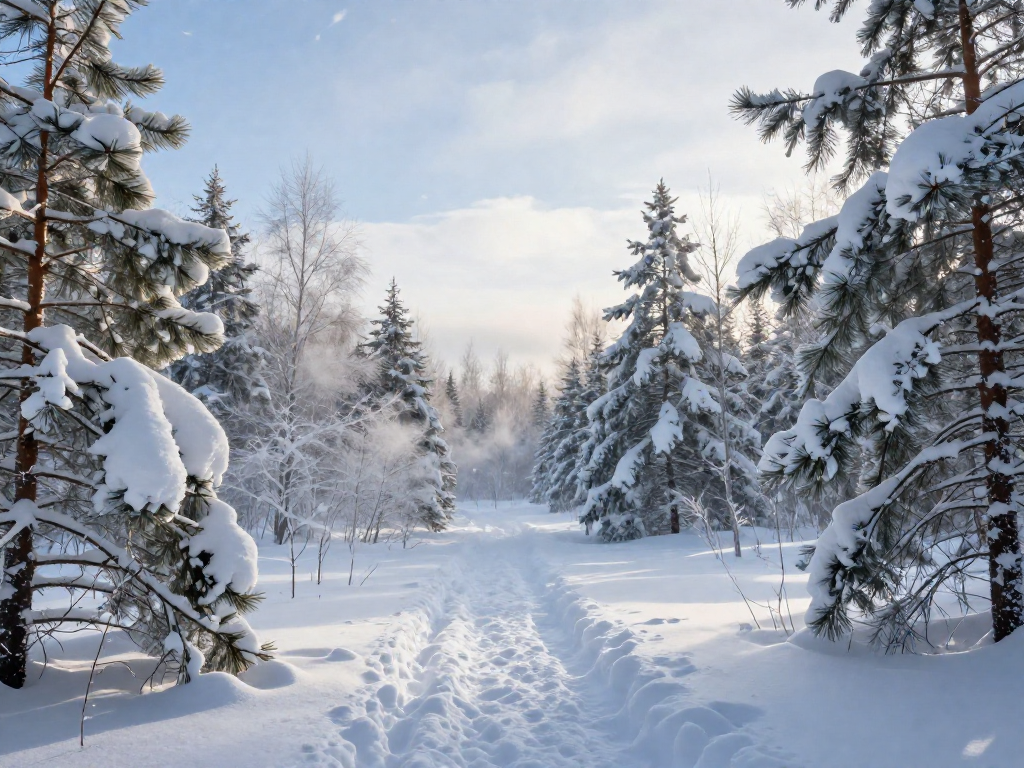
The 3 Big Problems Winter Creates for Animals
Here's the secret to understanding every winter survival trick: animals aren't fighting "winter" itself—they're solving three very specific problems. Once you spot them, every strategy in this guide suddenly makes sense.
1. The food disappears. Insects vanish, plants go dormant, and prey becomes scarce or hidden under snow. Suddenly there's far less to eat, right when bodies need more fuel to stay warm.
2. The cold can be deadly. Freezing temperatures drain body heat fast and can literally freeze tissue, damaging cells from the inside out.
3. The days get short and harsh. Fewer daylight hours and brutal conditions make it tough to find mates and raise young.
That's the whole puzzle. Every clever trick ahead—migrating, hibernating, growing thicker coats—is really just an answer to one or more of these three challenges.
Strategy 1: Migration — Leave the Cold Behind
Every year, a small seabird called the Arctic tern flies from the Arctic to Antarctica and back — a round trip of up to 44,000 miles, the longest migration on Earth. That's the extreme end of a strategy you've probably seen in your own backyard.
What it is: Migration simply means traveling to a warmer place where food is still available, then returning when conditions improve. Instead of toughing out the cold, these animals follow the food and the mild weather.
Who uses it: It's not just the V-shaped flocks of geese overhead. Tiny ruby-throated hummingbirds cross the Gulf of Mexico, monarch butterflies stream to central Mexico, gray whales swim south along the Pacific coast to breed, and caribou herds trek hundreds of miles across the tundra.
A common misconception: Migration isn't a "bird thing." Fish, insects, and mammals all do it too. The shared goal is the same — escape the season when food disappears and the cold turns deadly, then come back when life gets easier.
Strategy 2: Hibernation — Sleep Through the Worst
Here's a fact that surprises almost everyone: bears are not true hibernators. The animal world's deepest sleepers are actually little guys like groundhogs, ground squirrels, and bats.
What true hibernation really is: a dramatic, controlled shutdown of the body. An animal's temperature plummets, its heart rate crashes, and its metabolism (the rate at which the body burns energy) slows to a crawl. A hibernating ground squirrel's heart can drop from around 200 beats per minute to fewer than 10, and its body temperature can fall close to freezing. It's less like a nap and more like flipping a power switch to "low."
So what about bears? Bears enter a lighter state called torpor (a reduced-activity, energy-saving mode). Their body temperature barely drops, and they can wake up quickly if disturbed — which is exactly why true hibernators stay deeply out cold for weeks at a time while a mother bear can rouse to give birth mid-winter.
The fuel behind it all: there's no eating during the big sleep, so these animals bulk up on fat in autumn and live off those reserves until spring.
Strategy 3: Torpor — The Short-Term Power Nap
A hummingbird's heart can race over 1,000 beats per minute by day—then nearly switch off at night. That overnight "power nap" is torpor (a short-term drop in body temperature and metabolism), and it's not the same as hibernation.
The key difference is time. Hibernation is a deep, weeks-to-months-long shutdown. Torpor is brief—often just hours, frequently overnight—letting animals that stay active all winter survive cold snaps without starving. Hummingbirds, black-capped chickadees, some bats, and even bears use it to stretch their energy reserves when food is scarce or temperatures plunge.
| Hibernation | Torpor | |
|---|---|---|
| Duration | Weeks to months | Hours (often nightly) |
| Trigger | Season | Cold or food shortage |
| Wake-up | Slow | Relatively quick |
| Users | Groundhogs, some bats | Hummingbirds, chickadees |
Think of hibernation as a long winter vacation, and torpor as hitting snooze to save energy until morning.
Strategy 4: Adapting in Place — Coats, Fat, and Color Changes
Some animals don't flee or sleep through winter at all — they simply rebuild their bodies to handle it. As days shorten, many mammals and birds grow thicker fur or fluff up extra down (the soft, fine feathers under the outer ones that trap warm air), turning themselves into living parkas.
Others rely on insulation from the inside. Seals and walruses pack on blubber (a thick fat layer under the skin) that can be several inches deep, keeping their core warm even in near-freezing water.
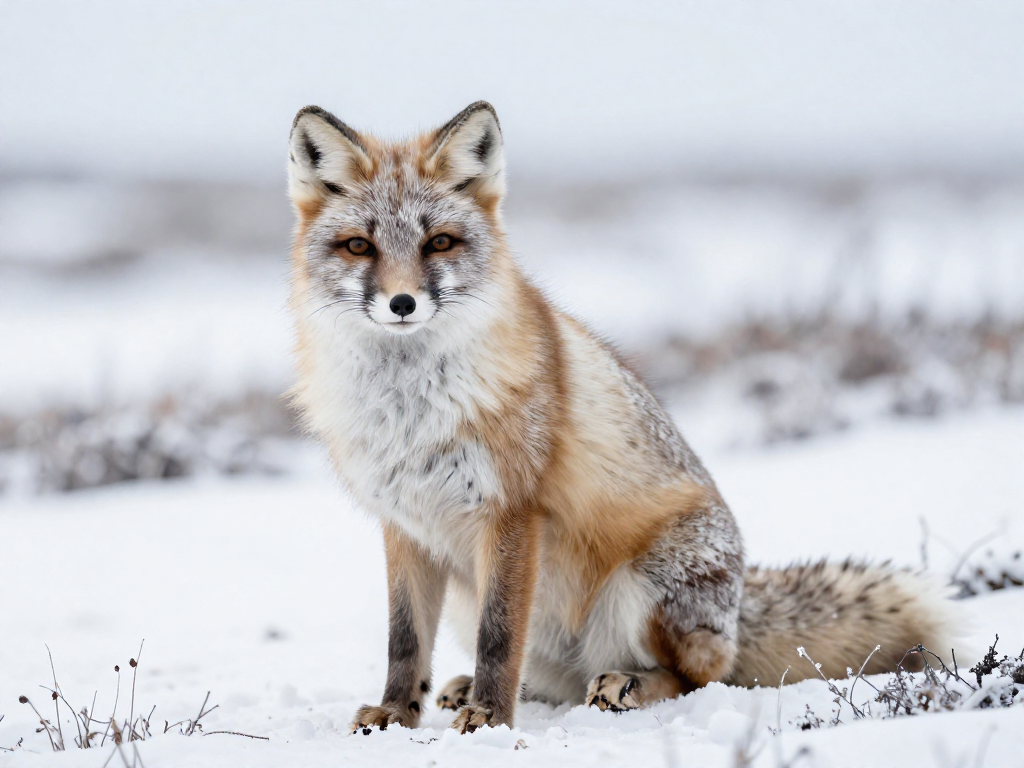
A few species change their look entirely. The snowshoe hare and Arctic fox swap brown summer coats for snowy white ones, blending into the landscape so predators — and prey — never see them coming.
Then there's a clever plumbing trick called counter-current heat exchange: warm blood heading to the legs runs right alongside cold blood returning from them, passing along its heat before it reaches the chilly extremities. That's how a duck can stand barefoot on ice without losing its body warmth — its feet stay cold while its core stays toasty.
Strategy 5: Sheltering and Stockpiling — Riding It Out
Beneath your snowy yard, there's a secret world where mice, voles, and shrews stay active all winter long. That hidden layer is called the subnivean zone (the gap between the ground and the snowpack), and it works like a cozy igloo: snow traps body heat so well that the air down there can hover near a steady 32°F even when the surface plunges far below.
For animals that don't migrate or hibernate, the winning move is simple — find shelter and stock the pantry:
- Dig deep. Many animals build dens, burrows, and nests below the frost line, where the ground never freezes solid.
- Cache food ahead of time. A single squirrel may bury thousands of nuts each fall, while beavers stash a stockpile of branches underwater near their lodge.
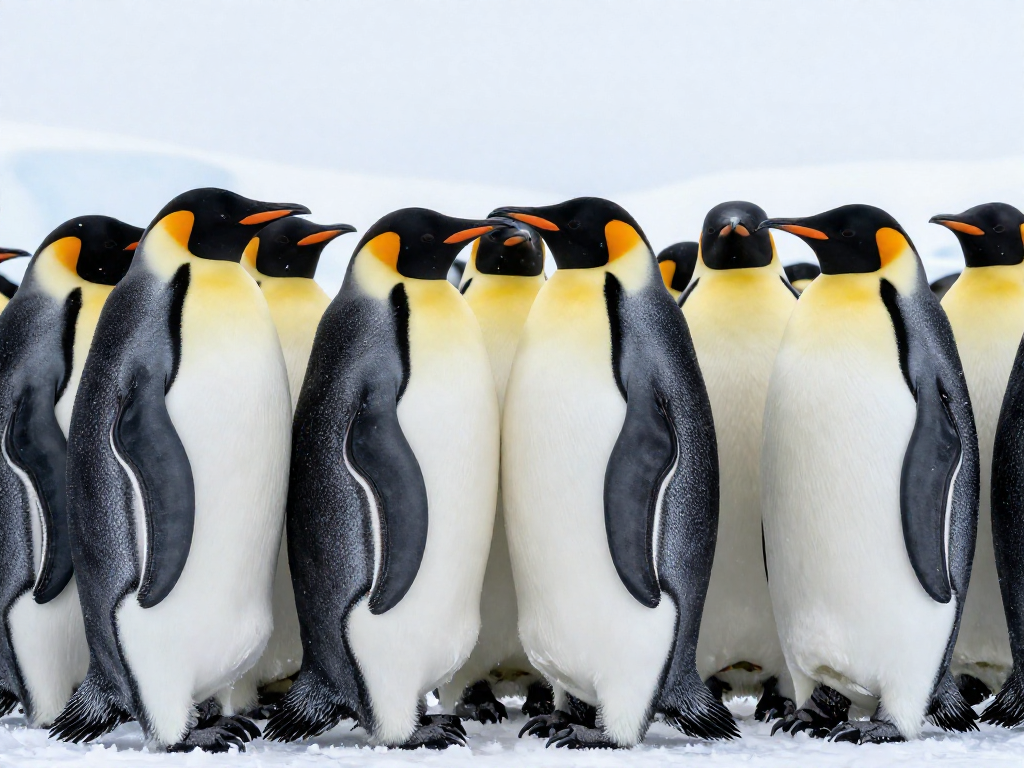
- Huddle for warmth. Emperor penguins cluster in tight groups, rotating from the chilly edges to the warm center. Mice pile together, and honeybees form a shivering cluster to heat the hive.
The lesson? Sometimes the smartest survival plan is staying home and being prepared.
Strategy 6: Natural Antifreeze — The Freeze-Proof Few
Imagine freezing into a solid block of ice, your heart stopping completely — then thawing back to life when spring arrives. That's not science fiction. It's exactly what the wood frog does every winter.
A handful of animals survive the cold by chemistry rather than escape. As temperatures drop, their bodies flood with protective compounds that stop deadly ice crystals from shredding their cells.
- Wood frogs can freeze up to 60–70% of their body water solid. They pump glucose (a natural sugar) into their cells as antifreeze, and even with no heartbeat, they revive in spring (National Park Service).
- Arctic and Antarctic fish carry antifreeze proteins (special molecules that bind to tiny ice crystals and stop them from growing) in their blood, letting them swim in water below 32°F (0°C).
- Many insects overwinter as freeze-tolerant eggs or larvae, producing their own antifreeze compounds to wait out the cold.
It's the ultimate survival trick: don't fight the freeze — survive it.
Quick-Reference Cheat Sheet: Which Animal Uses What
Pin this one for your next snow day. Here's each cold-weather strategy paired with animals that famously pull it off:
| Strategy | Star Examples |
|---|---|
| Migration | Monarch butterflies, Arctic terns, Canada geese |
| Hibernation | Groundhogs, ground squirrels, some bats |
| Torpor | Hummingbirds, chickadees, mice |
| Adapting in place | Snowshoe hares (coat turns white), Arctic foxes, deer |
| Sheltering & stockpiling | Squirrels, pikas, beavers |
| Natural antifreeze | Wood frogs, some Arctic fish and insects |
One big caveat: most animals mix and match. A squirrel adapts (thicker fur), shelters (a cozy nest), and stockpiles (buried nuts) all at once. Winter survival is rarely a single trick — it's a whole toolkit.
See also
- Why do birds fly in a V formation?
- How do animals find their way during migration?
- Why do some animals change color with the seasons?
- How do penguins survive Antarctic cold?
- What do squirrels really do with all those buried nuts?
Related articles

When Your Dog Won't Stop Licking: A Troubleshooting Guide for Common Causes
Why does my dog keep licking everything, and how can I address it?
Jul 28, 2026 · 7 min read
Why Do Birds Sing at Dawn? The Science of the Dawn Chorus
Why do birds sing so loudly early in the morning?
Jul 28, 2026 · 6 min read
Monogamy vs. Polygamy in the Animal Kingdom: A Comparative Guide
How do monogamous and polygamous mating systems compare, and which animals use which?
Jul 20, 2026 · 9 min read