10 of the Most Venomous Animals in the World
Which animals have the most potent venom on the planet?
On this page
Venomous vs. Poisonous: The Difference That Trips Everyone Up
Here's a fact that surprises almost everyone: a dart frog you could (please don't) lick is poisonous, but a cobra that strikes your ankle is venomous — and they are not the same thing. The rule is simple once it clicks.
- Venomous animals inject their toxin into you, usually through a bite, sting, or spine.
- Poisonous animals make you sick when you touch or eat them. (Easy memory trick: if you bite it and you feel bad, it's poisonous; if it bites you and you feel bad, it's venomous.)
So how do scientists decide which venom is "strongest"? They often use a measure called the LD50 — short for the dose that's lethal to 50% of test animals. The smaller the number, the less venom it takes to do harm, so a tiny LD50 means a mighty toxin.
But here's the twist worth remembering: "most venomous" is not the same as "kills the most people." The animal with the deadliest venom in a lab might be shy, rare, or live far from humans, while a less potent species that lives near villages causes far more deaths.
Good news, too: effective antivenoms exist for many species on this list, so encounters are rarely the danger headlines suggest.
10. Stonefish — The Ocean Floor You Don't Want to Step On
Picture stepping on a rock at the beach and suddenly facing the most venomous fish on Earth. That's the stonefish, a lumpy, mottled ambusher that blends so perfectly into reef floors and rubble that swimmers and waders often never see it.
Its weapon is defensive, not aggressive. Tucked along its back are 13 dorsal spines (the stiff fin rays on its top side), each loaded with venom that fires when pressure—like a human foot—pushes down on them.
The result is sudden, excruciating pain, swelling, and in severe untreated cases, dangerous effects on the heart.
Where it lives: shallow coastal waters of the Indo-Pacific, including around Australia.
How to avoid it: wear sturdy water shoes and shuffle your feet in murky shallows. If stung, seek medical help immediately—antivenom exists.
9. King Cobra — The World's Longest Venomous Snake
A single king cobra bite can deliver enough venom to take down an elephant — or about 20 people. That's the wild part: drop for drop, its venom isn't even close to the most potent on this list. The king cobra makes up for it with sheer volume, injecting up to 7 milliliters in one strike, far more than most snakes.
The venom is neurotoxic (it attacks the nervous system), shutting down the muscles you use to breathe. Reaching up to 18 feet, the king cobra can also rear a third of its body off the ground and flare that famous hood when threatened.
The takeaway? When it comes to venom, quantity can matter just as much as toxicity.
8. Deathstalker Scorpion — Small Sting, Big Reputation
Don't let the size fool you: a deathstalker scorpion is only about 2–3 inches long, yet it ranks among the most dangerous scorpions on Earth. Its sting delivers a cocktail of neurotoxins (venom that targets the nervous system), causing intense pain and, in severe cases, dangerous effects on the heart and breathing.
For most healthy adults, a sting is excruciating but rarely fatal with prompt medical care. The real risk falls on children and the elderly, whose smaller or more fragile bodies are far more vulnerable.
You'll find this pale yellow hunter across the deserts of North Africa and the Middle East. Bottom line: when it comes to venom, big danger can come in very small packages.
7. Brazilian Wandering Spider — The Restless Hunter
Here's the unsettling part: this spider doesn't sit and wait for dinner. Instead of spinning a web, the Brazilian wandering spider (genus Phoneutria) prowls the forest floor at night, hunting on the move — which is exactly how it earned its name.
Its bite delivers a potent neurotoxin (a venom that attacks the nervous system) that can cause loss of muscle control. It also has a habit of tucking into dark, cozy spots, and every so often one stows away in a banana shipment headed abroad.
The good news? Bites are rare, and effective antivenom exists. If you ever spot one, leave it be and call a professional — no hands-on heroics required.
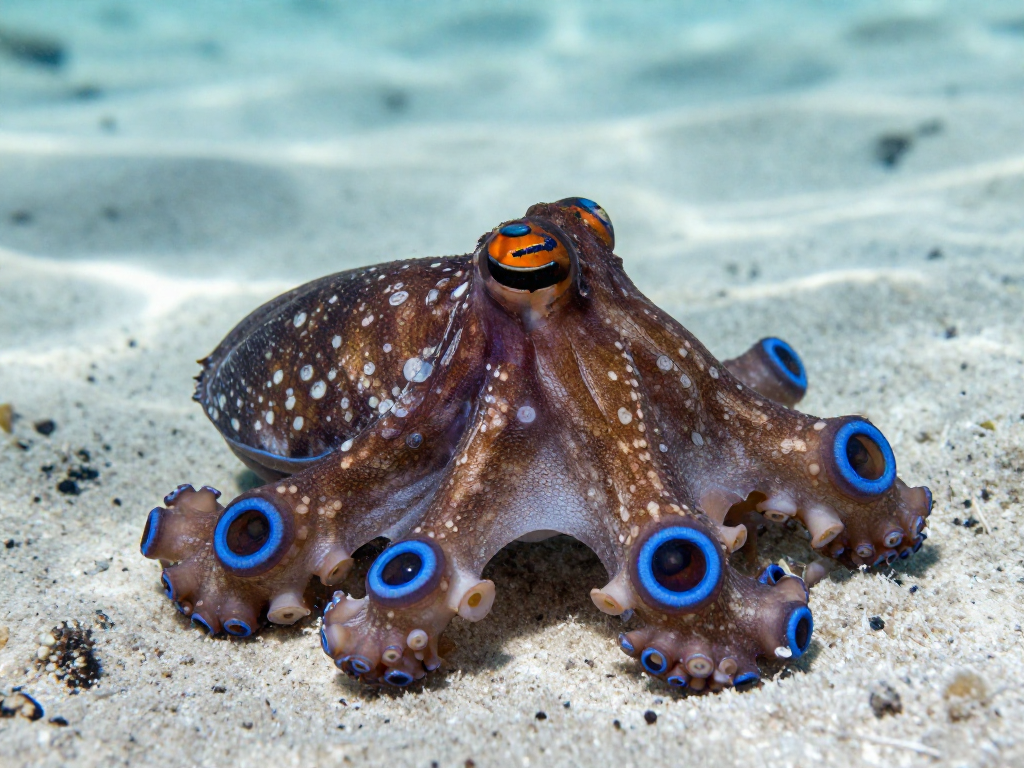
6. Blue-Ringed Octopus — Beautiful, Tiny, and No Antivenom
Small enough to perch in the palm of your hand, the blue-ringed octopus carries enough venom to kill several adults — and there's still no antivenom for it. It looks like a tide-pool jewel, which is exactly the problem.
Its weapon is tetrodotoxin (a powerful nerve poison also found in pufferfish), which is roughly 1,000 times more toxic than cyanide by weight. The toxin blocks the signals nerves use to fire, which can lead to paralysis of the muscles you need to breathe.
When the octopus feels threatened, dozens of iridescent blue rings flash across its body — a built-in "stay back" sign. That display is a warning, not an invitation:
- Fits in the palm of your hand
- Found in tide pools and shallow reefs of the Pacific and Indian Oceans
- The blue rings flash only when it feels alarmed
If you ever spot one, admire it from a distance and never touch it — let lifeguards or local wildlife experts handle any close encounters.
5. Cone Snail — The Slow-Moving Sniper
Imagine a pretty seashell that can shoot you. That's the cone snail — a slow ocean dweller that fires a hollow, harpoon-like tooth loaded with venom to spear its prey in a fraction of a second. For a creature that creeps along the seafloor, it's a shockingly fast sniper.
Some species are dangerous enough to earn a grim nickname: the "cigarette snail." The dark joke is that after a serious sting, you'd have just enough time to smoke a cigarette before things turned critical.
Here's what makes it so remarkable:
- A built-in harpoon: the tooth injects venom instantly, even through gloves.
- A chemical arsenal: the venom holds hundreds of distinct compounds (called conotoxins).
- A medical gold mine: scientists study those compounds for powerful painkillers.
- A perfect disguise: it looks exactly like a harmless souvenir shell.
Lesson? Admire cone shells with your eyes, never your hands.
4. Coastal Taipan & Eastern Brown Snake — Australia's Deadly Duo
Here's a surprise: the snake behind the most snakebite deaths in Australia isn't a giant — it's the slender, fast-moving eastern brown snake. A dose smaller than a single grain of sugar can be lethal, making it one of the most potent land snakes on Earth (second only to its cousin, the inland taipan).
Both species pack venom that works on two fronts at once:
- Stops blood from clotting, which can cause dangerous internal bleeding
- Attacks the nervous system (the body's wiring for muscles and breathing)
- Acts fast, so symptoms can appear quickly after a bite
The coastal taipan delivers large venom loads, while the eastern brown is famously defensive when cornered — rearing up in an "S" shape. Neither hunts humans; bites usually happen when a snake feels trapped.
If you ever encounter one in the wild, the expert advice is simple: back away slowly and give it room. Australia's excellent antivenom and emergency care mean most bites today are survivable when treated quickly.
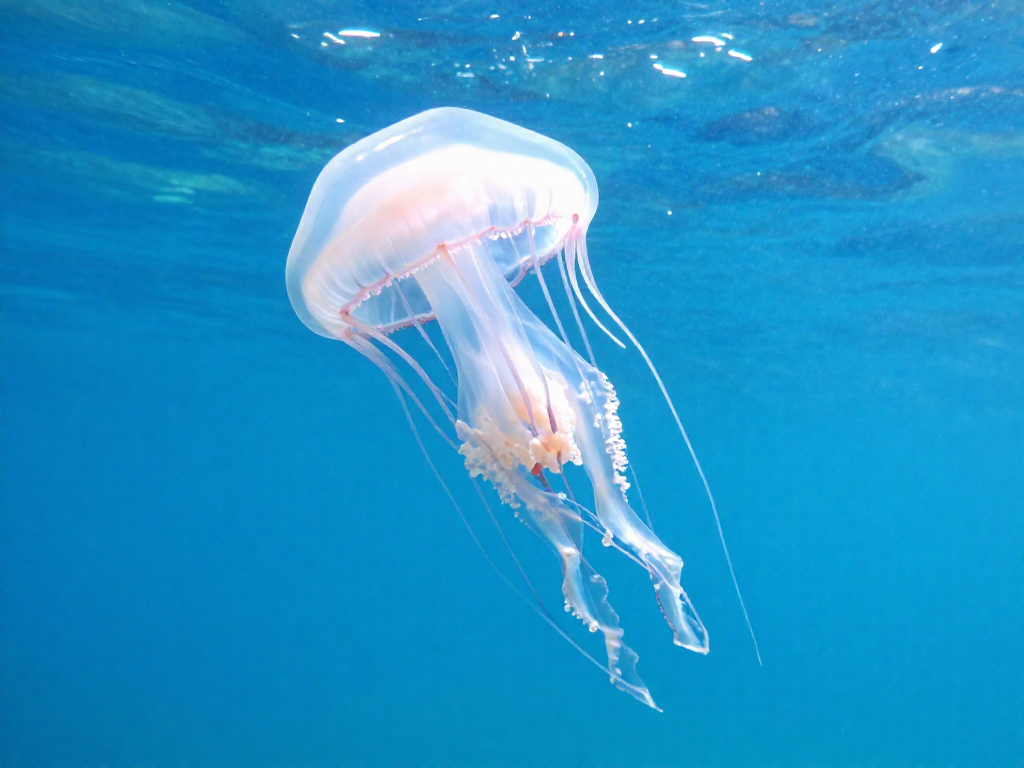
3. Box Jellyfish — The Most Venomous Marine Animal
Imagine a creature so dangerous that a single brush with it can stop a human heart in minutes — and you can barely see it coming. That's the box jellyfish, a nearly transparent drifter whose box-shaped bell trails up to 60 tentacles, each stretching as long as 10 feet and lined with millions of stinging cells (nematocysts — microscopic harpoons that fire venom on contact).
What makes its sting so devastating is the triple threat: the venom attacks the heart, the nervous system, and skin tissue all at once. The Australian box jellyfish (Chironex fleckeri) is considered among the most venomous marine animals on Earth, and severe stings can cause cardiac arrest within minutes.
Here's the first-aid fact worth remembering: vinegar, not urine. Dousing the sting with vinegar helps stop undischarged stinging cells from firing — the old "pee on it" trick is a myth. After vinegar, seek emergency help immediately.
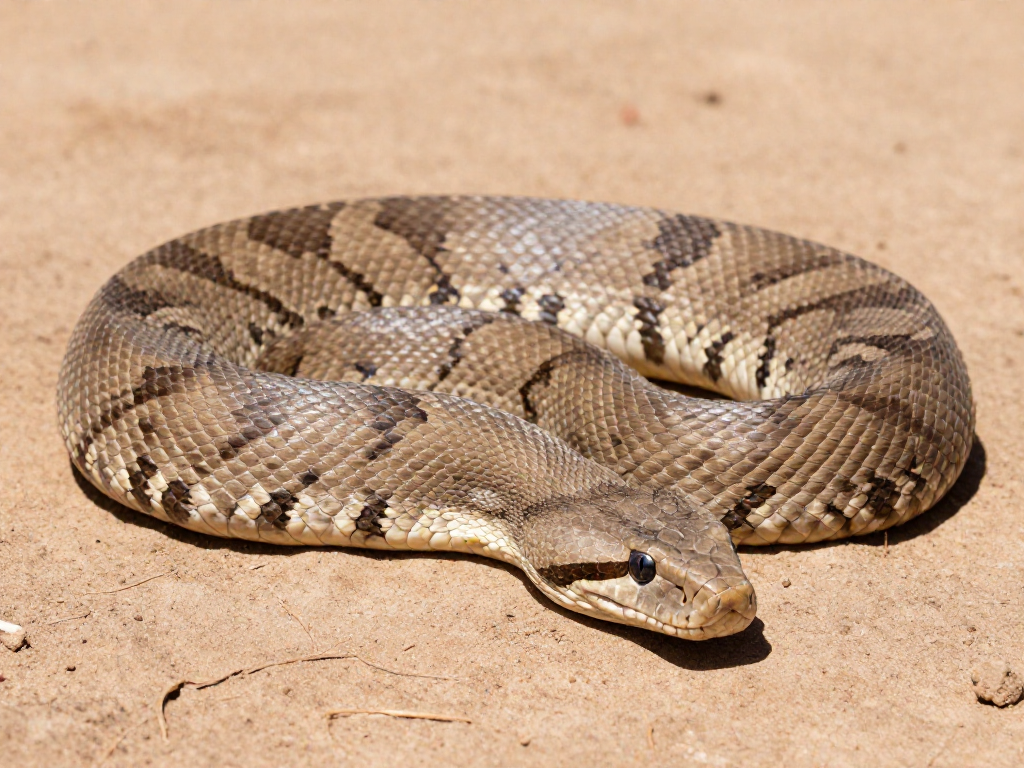
2. Indian (Common) Krait — The Silent Nighttime Threat
Imagine being bitten by one of the world's deadliest snakes and not even feeling it. That's the chilling reality of the Indian krait, which often strikes sleeping people at night with a bite so painless many victims never wake up to notice it.
The danger comes from its powerful neurotoxin (a venom that attacks the nervous system). Instead of hitting immediately, symptoms can be delayed for hours, gradually causing paralysis. People may go to bed feeling fine, only to wake up struggling to breathe.
That delay is exactly what makes the krait so deadly. Without an obvious bite mark or instant pain, victims often don't seek help in time. It's one reason the krait is counted among India's "Big Four"—the snakes responsible for the most snakebite deaths in the country.
1. Inland Taipan — The Most Venomous Snake on Earth
A single bite from an inland taipan carries enough venom to kill roughly 100 adult humans. That's not a typo — drop for drop, no other land snake comes close.
Native to the dry, cracked clay plains of central Australia, this snake earns its crown through pure potency. Its venom contains a powerful mix of toxins that attack the nervous system and blood at the same time, and it works astonishingly fast. Scientists measure venom strength using LD50 (the dose that's lethal to half of test animals), and the inland taipan's tops nearly every ranking on the planet.
Here's the surprising twist: despite its fearsome title, it's remarkably shy. It lives in remote, sparsely populated regions and would much rather slip away than strike. Documented bites on people are extremely rare, and thanks to an effective antivenom, no confirmed human deaths have been recorded.
- Venom potency: enough in one bite to kill ~100 adults
- Speed: fast-acting toxins targeting nerves and blood
- Temperament: shy, reclusive, rarely encountered
- Ranking: #1 on virtually every potency list
So why doesn't the deadliest venom mean the deadliest snake? Because danger depends on more than chemistry — it's also about how often an animal meets people, which is exactly why the inland taipan tops the potency charts but not the body count.
The Takeaway: Venom Isn't All Bad
Here's the twist: some of nature's deadliest weapons are quietly saving lives. Cone snail venom inspired ziconotide, a powerful non-opioid painkiller, and a compound from the Brazilian lance-headed viper helped create captopril, a widely used blood pressure medication. Researchers are still combing venoms for new drugs, from blood thinners to potential cancer treatments.
It also helps to remember that nearly every animal on this list wants nothing to do with you. Venom is for catching dinner or self-defense, not hunting humans — most bites and stings happen by accident.
A few simple habits go a long way:
- Watch where you step and reach, especially in tall grass, tide pools, or rocky water.
- Wear sturdy shoes outdoors and shake out boots and gear.
- Never handle wild animals, and if injured, seek medical help fast.
These "superpowers" took millions of years to evolve — well worth our respect from a safe distance.
See also
- The Most Poisonous Animals in the World (and How They're Different)
- Deadliest Snakes in the World, Ranked
- Animal Camouflage: Masters of Disguise
- Why Some Animals Glow: Bioluminescence Explained
- The Strongest Animal Defenses in Nature
Related articles
How Do Spiders Make Silk? The Chemistry Behind Nature's Strongest Fiber
How do spiders produce silk, and what makes it so strong?
Jul 28, 2026 · 10 min read
How Electric Eels Generate Shocks: A Deep Dive into Nature’s Living Batteries
How do electric eels produce electricity?
Jul 28, 2026 · 10 min read
Why Don't Woodpeckers Get Headaches? The Built-In Shock Absorbers
How do woodpeckers avoid brain injury despite repeated hammering?
Jul 20, 2026 · 6 min read