The Animal Color Quick Reference: Why Animals Are the Colors They Are
What do different animal colors mean and why do animals have them?
On this page
The Big Picture: Color Is a Survival Strategy
That blazing orange tiger and that drab gray moth are playing the same game: staying alive. In the animal world, color isn't decoration—it's a survival tool, and almost every shade comes down to one of three jobs.
- Stay hidden: Camouflage helps animals blend in to avoid predators (or sneak up on prey), like a snowshoe hare turning white for winter.
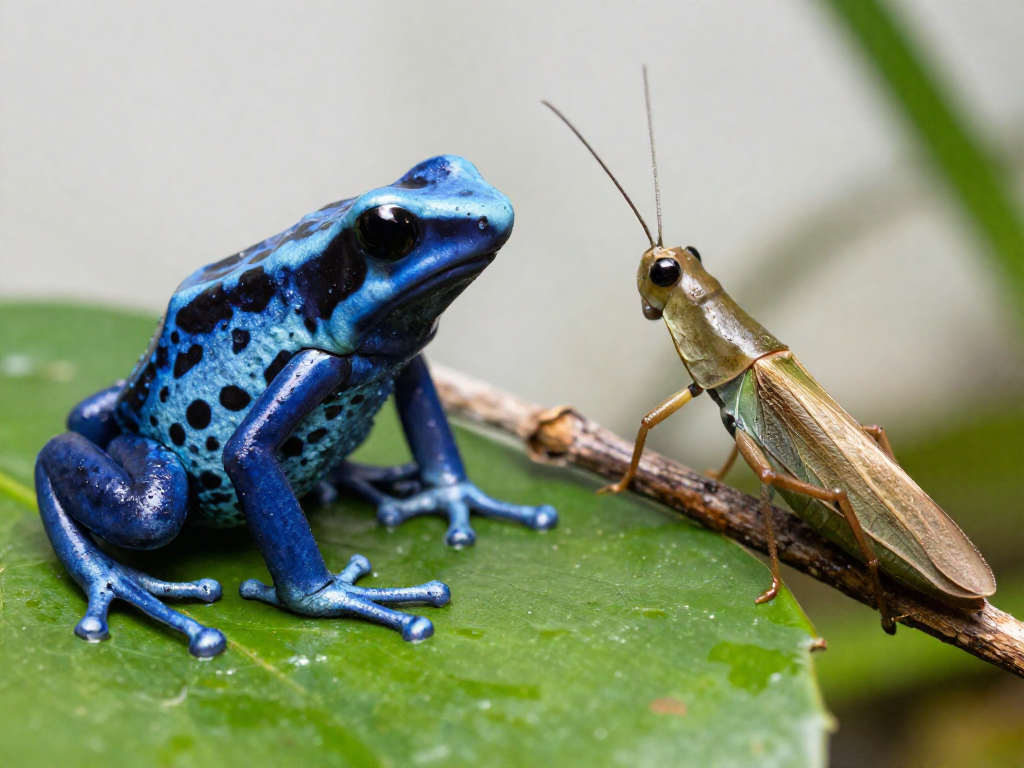
- Send a warning: Bold reds, yellows, and blacks shout "back off"—think poison dart frogs broadcasting that they're toxic.
- Attract a mate: Showy colors, like a peacock's tail, advertise health and fitness to potential partners.
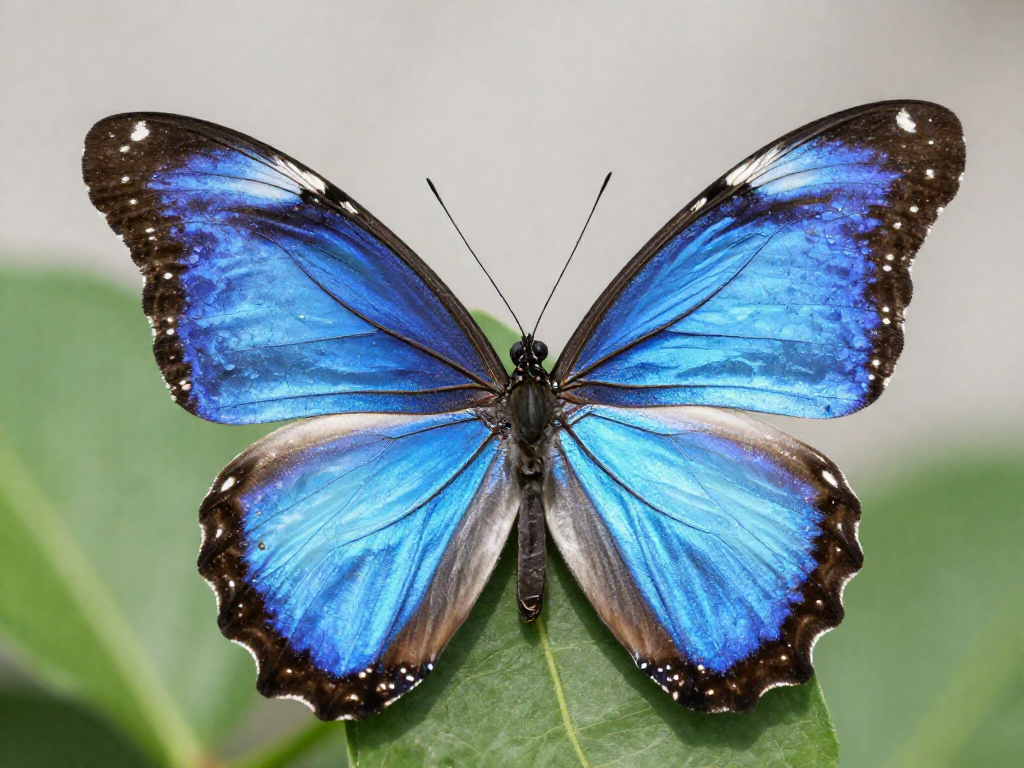
Those colors are made two ways: pigments (color-producing chemicals in the body) and structural color (microscopic structures that bend light to create blues and shimmering iridescence).
One catch—a single color can do several jobs at once, depending on the animal. Use the quick reference below to decode them.
Bright Warning Colors: Red, Orange, and Yellow
A golden poison frog the size of a paperclip carries enough toxin to drop ten grown men. Its dazzling yellow skin isn't a fashion statement—it's a billboard that screams "don't even think about it."
This survival trick is called aposematism (warning coloring that advertises danger or a nasty taste). Bold reds, oranges, and yellows tell predators to back off before anyone gets hurt.
- Bright = "back off": poison dart frogs, monarch butterflies, and coral snakes all flash vivid colors to flag their toxins or foul flavor.
- Predators learn fast: a bird that bites a bitter monarch remembers the colors and avoids the next one—lessons that ripple through whole populations.
- Cheaters welcome: some harmless species fake the warning. The viceroy butterfly mimics the monarch's pattern (called Batesian mimicry) to borrow protection it didn't earn.
So when nature goes neon, it's usually saying one thing loud and clear: stay away.
Blending In: Browns, Greens, and Grays for Camouflage
A leopard's spots aren't just pretty—they're a near-perfect disappearing act. Camouflage (coloring that helps an animal hide) is the single most common reason animals wear the colors they do, and it works in a few clever ways.
The simplest is background matching: an animal's color echoes its surroundings. A brown deer melts into dry leaves, a green gecko vanishes against foliage, and a stick insect looks exactly like the twig it's sitting on.
Then there's disruptive coloration, where bold patterns break up the outline of the body so a predator's eye can't trace its shape. A zebra's stripes and a leopard's spots don't help them blend into one color—instead they scramble the edges, making the animal hard to pick out.
Some animals even change with the calendar. The arctic fox and the snowshoe hare swap brown summer coats for white winter ones, staying hidden as the snow comes and goes.
Show-Off Colors: Blues, Iridescence, and Mating Displays
Here's a head-scratcher: almost no animal makes blue with pigment. When a peacock fans out its shimmering tail or a mandarin duck shows off its electric-blue patches, you're seeing structural color — microscopic structures that bend light to reflect blue back at you, the same trick that makes the sky blue. Crush a blue feather and the color vanishes, because there was never any blue paint to begin with.
That dazzle isn't just for looks. Flashy males like birds-of-paradise put on elaborate dances and display their brightest feathers because color can be an honest signal of health. Producing vivid, symmetrical, well-kept plumage takes good nutrition and a strong immune system, so brighter often advertises a fitter mate. Females, in turn, tend to choose the most eye-catching suitors.
Quick answer: Bold, shiny colors mostly say "pick me" — and the blues are built from light, not pigment.
Quick Reference Chart: Color Meanings at a Glance
Want the whole rainbow decoded in ten seconds? Here's your cheat sheet to what an animal's color is probably telling the world. Keep in mind these are common patterns, not ironclad rules—nature loves exceptions.
| Color | Likely Job | Real-World Examples |
|---|---|---|
| Red / Orange / Yellow | Warning ("I'm toxic or fierce") or mating display | Poison dart frogs, male cardinals |
| Black & White | Warning, or disruptive camouflage (patterns that break up an animal's outline) | Skunks, zebras |
| Brown / Green / Gray | Camouflage to blend with dirt, leaves, and bark | Deer, tree frogs, stick insects |
| Blue / Iridescent | Mating displays and species recognition (telling your own kind apart) | Peacocks, morpho butterflies |
| White | Snow camouflage or signaling to others | Arctic foxes and hares, swans |
One fun twist: many blues aren't pigments at all. Microscopic structures in feathers and scales bend light to create the color—which is why a blue jay's feather looks brown when crushed.
Surprising Exceptions and Cool Extras
Some animals break every color rule in the book—and the reasons are even cooler than the rules themselves.
- Color-changers aren't just hiding. Chameleons shift hues mainly to signal mood and regulate temperature, not for camouflage; they do it by rearranging tiny crystals in their skin cells. Octopuses change color in well under a second using pigment-filled cells called chromatophores (color-control cells).
- Flamingos are born gray. Their famous pink comes entirely from diet—pigments called carotenoids in the algae and tiny shrimp they eat. A flamingo on the wrong menu fades back toward white.
- Animals see colors we can't. Many birds, bees, and butterflies detect ultraviolet (UV) light, revealing hidden patterns on flowers and feathers that are completely invisible to us.
The takeaway: color isn't always about a single, simple rule.
See also
- How Animal Camouflage Actually Works
- Why Flamingos Are Pink
- Poison Dart Frogs: Nature's Brightest Warning
- How Chameleons Change Color
- Why Peacocks Have Such Showy Tails
Related articles
My Unpopular Opinion: Stop Calling Them 'Killer' Whales
Why should we stop using the term 'killer whale'?
Jul 28, 2026 · 3 min read
Cheetah vs. Leopard: Spotting the Difference in the Wild
How can you tell the difference between a cheetah and a leopard? Learn the key features including tear marks, spots, body shape, hunting styles, and sounds—all in one easy guide.
Jul 28, 2026 · 6 min read
8 Animals That Use Tools (And What They Do with Them)
Which animals use tools, and how do they use them? From crows bending wires to octopuses carrying coconuts, discover 8 tool-using animals.
Jul 28, 2026 · 6 min read