The Secret Life of the Platypus: Australia's Egg-Laying, Venom-Spurred Oddity
What makes the platypus so unusual?
On this page
Start with the paradox: a mammal that lays eggs, hunts with electricity, and wields venom—a creature that defies easy classification. Set up a deep dive into the sensory superpowers, venom, and reproductive mysteries that make the platypus truly unique.
The Ultimate Underwater Hunter: Electroreception and Mechanoreception
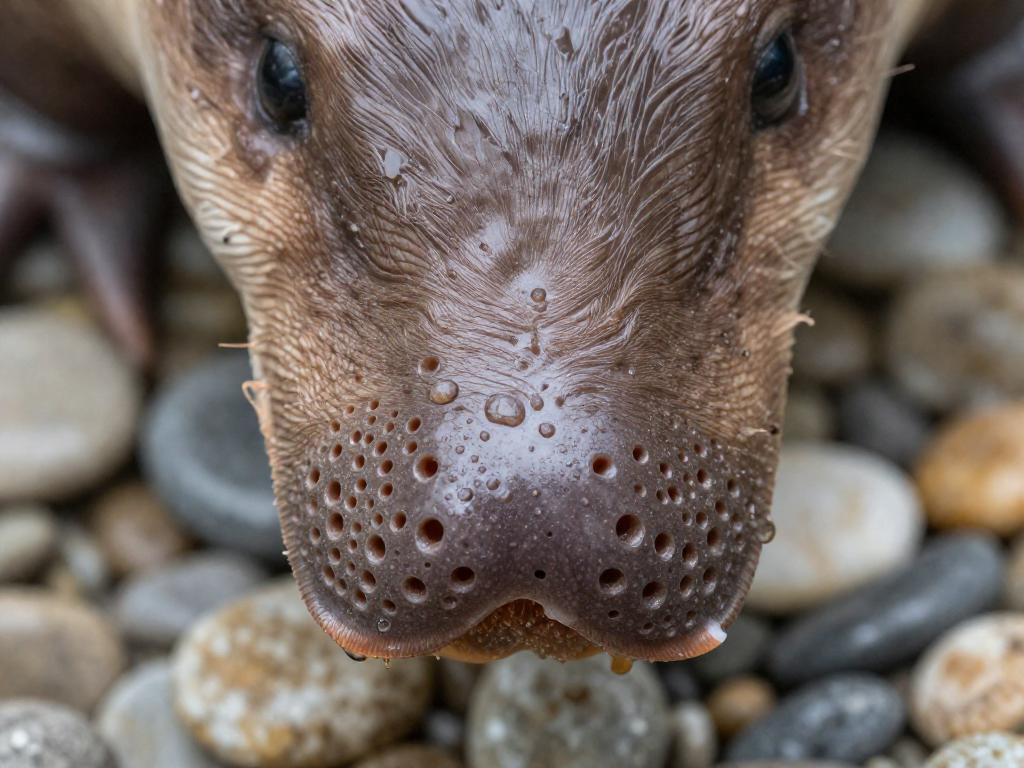
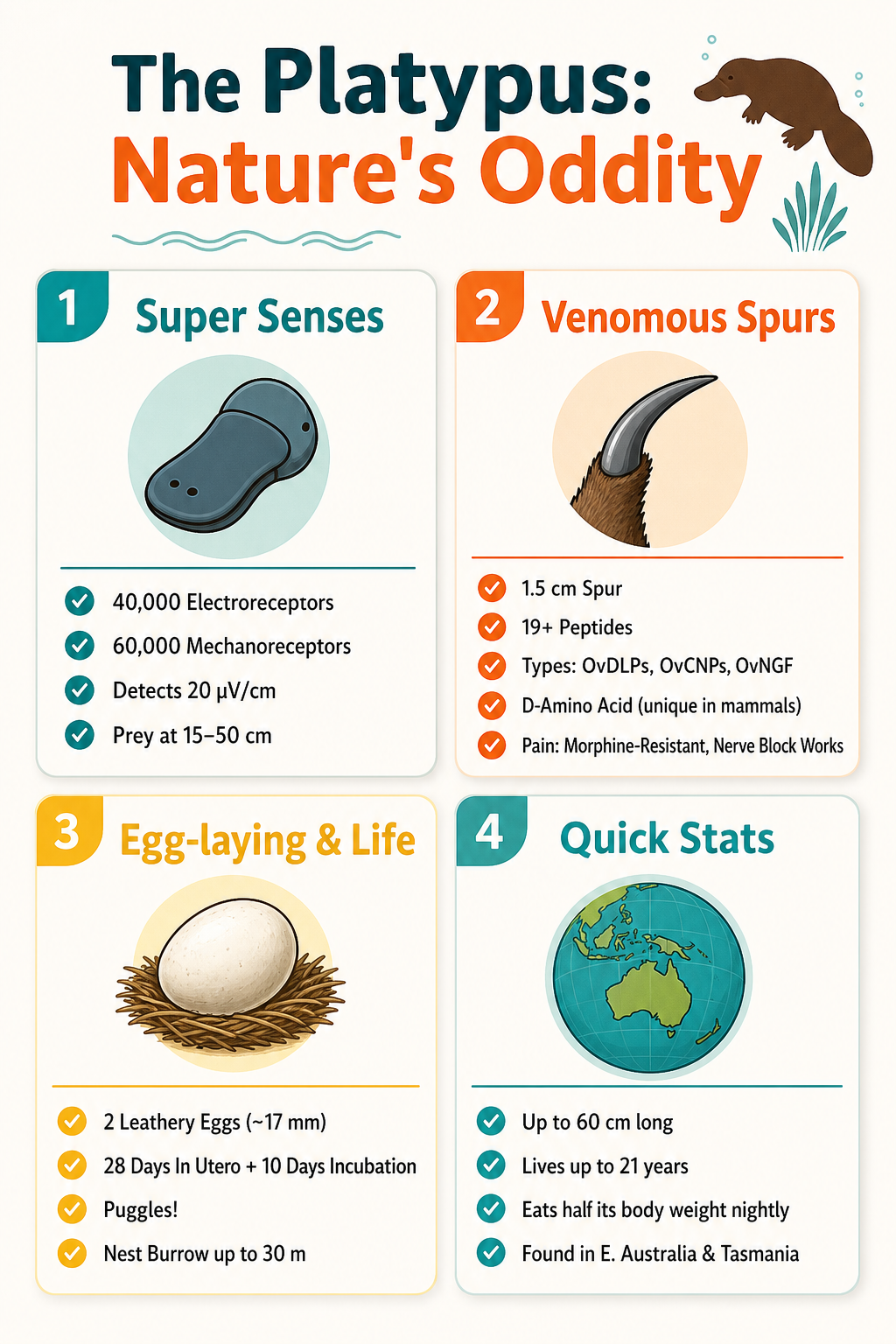
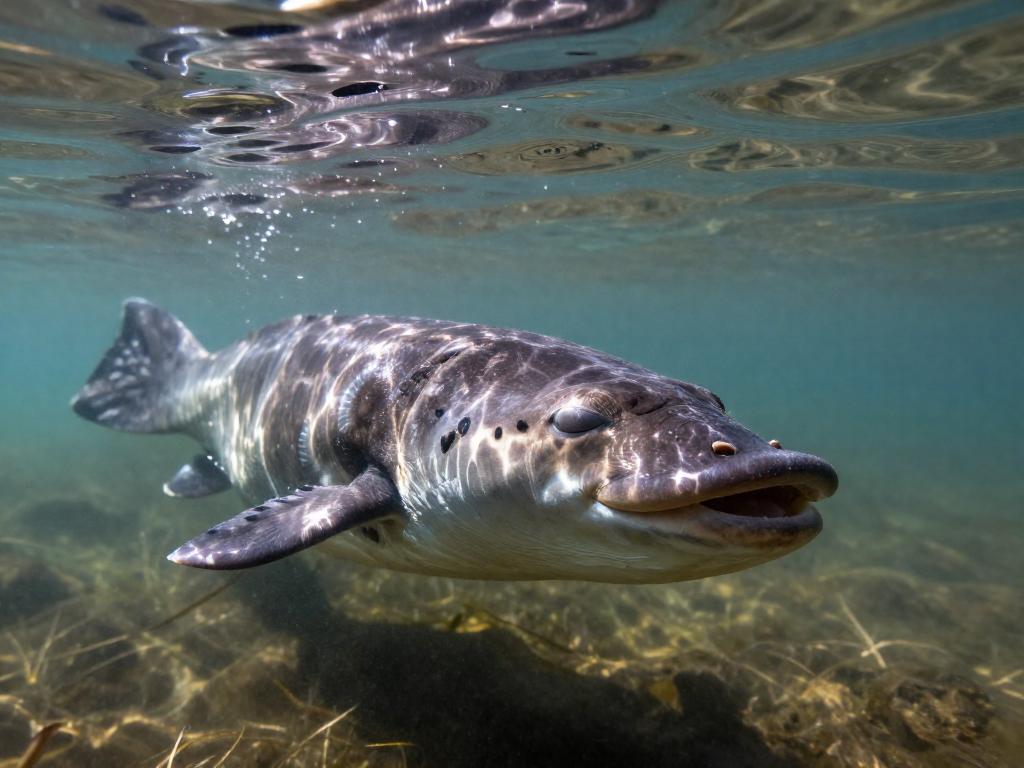
What makes the platypus so unusual? For starters, it hunts underwater with its eyes, nose, and ears clamped shut, navigating a dark, murky world using a sixth sense straight out of a superhero comic. That rubbery bill is not just for show—it’s a biological marvel crammed with 40,000 electroreceptors and 60,000 mechanoreceptors, turning the platypus into a living metal detector for living things.
When a platypus dives, it seals its eyes, nostrils, and ears with flaps of skin. From that moment on, the bill does all the work. Those 40,000 electroreceptors are modified mucous glands arranged in neat stripes, each gland loaded with up to 30 nerve endings. They are tuned to detect the faint electrical fields that ripple away from any active muscle or nerve—like the tail flick of a shrimp or the jaw clench of an insect larva. Scientists have found that a platypus can sense electric fields as weak as 20 microvolts per centimeter, and behavioral tests peg overall sensitivity at around 50 µV/cm. To put that in perspective, a single freshwater shrimp generates an electrical whisper the bill can pick up from several body lengths away.
Right alongside the electroreceptors, the bill’s surface bristles with 60,000 push rods—tiny dome-shaped pillars that wobble when water moves. These mechanoreceptors are so sensitive that a displacement of just 20 microns (less than the width of a human hair) is enough to trigger a nerve impulse. While the electroreceptors sniff out the electrical signatures, the push rods feel for the physical disturbance caused by a darting prey item. And here’s where it gets really clever: electricity travels almost instantly through water, but the actual water movement from that tail flick takes a tiny bit longer. The platypus’s brain compares the split-second difference between the electrical signal and the mechanical bump, instantly calculating not just direction but distance—anywhere from 15 centimeters up to half a meter away.
This dual system gives the platypus an edge that few other mammals can claim. The short-billed echidna, a distant relative, gets by with as few as 400 electroreceptors—meaning the platypus packs 100 times as many sensors into that leathery bill. (As the American Museum of Natural History notes, echidnas have anywhere from 2,000 down to just 400, depending on the species.) That massive investment in sensory hardware makes the platypus an underwater predator with a uniquely complete picture of its prey, built entirely from invisible signals.
So next time you see a platypus, remember: that goofy-looking bill is a high-tech detection suite that would make any engineer jealous. It’s the secret weapon behind one of the animal kingdom’s most wonderfully odd ways of finding dinner.
A Venomous Spur Unlike Any Other Mammal
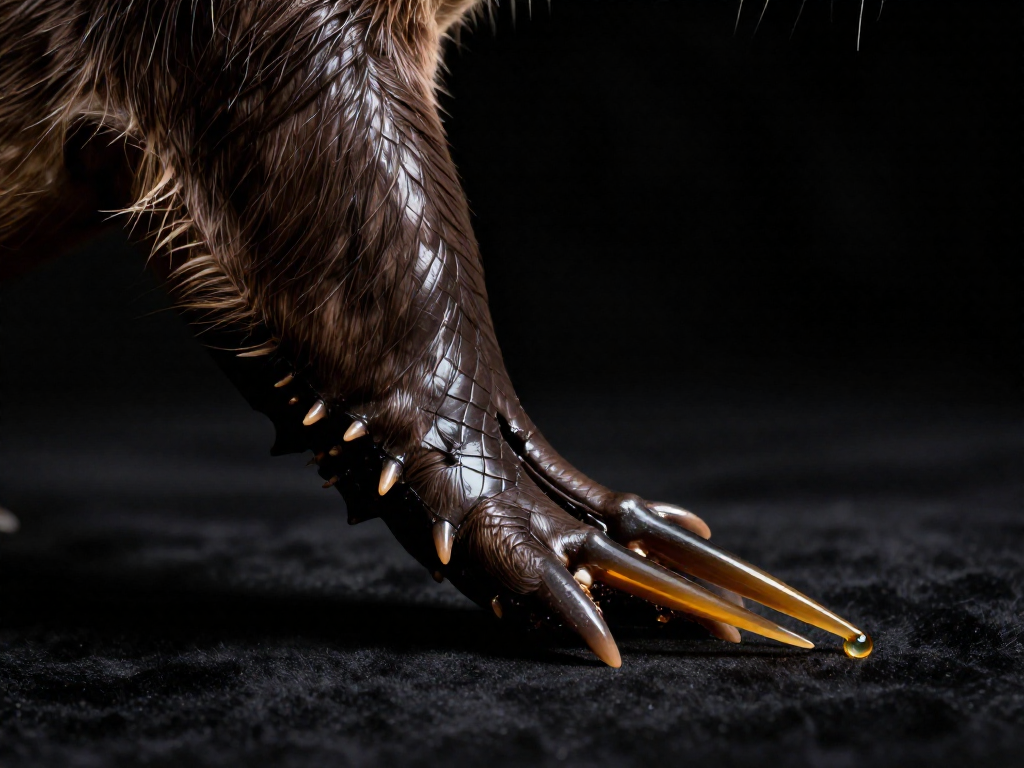
If you think venom is just for snakes and spiders, the platypus will flip that assumption upside down. Only mature males carry this secret weapon, and it comes in the form of a hollow spur on each hind leg, measuring about 15 to 18 millimeters long. What makes the setup extra menacing is that the spur isn’t rigid—it can swing out to a right angle from the limb, giving the platypus a surprisingly wide strike zone. During the breeding season, the glands behind those spurs swell to the size of almonds and can hold up to 4 milliliters of venom, a massive load for a creature that barely tips the scales at 2.5 kilograms.
The venom itself is a biochemical oddity. At least 19 different peptides have been identified, but the heavy hitters fall into three groups: defensin-like peptides (OvDLPs), C-type natriuretic peptides (OvCNPs), and nerve growth factor (OvNGF). Platypus venom also packs hyaluronidase (the same enzyme that helps snake venom spread through tissue) and assorted proteases that break down proteins. But the real showstopper is a D-amino acid nestled in one of the peptides. Mammals almost exclusively use L-amino acids; the fact that platypus venom contains a mirror-image D form is unprecedented in any other mammalian system. This flip comes from a special L-to-D peptide isomerase enzyme, a trick more familiar from the venom glands of certain spiders and cone snails.
If you trace the genes behind these toxins, you’ll find a wild case of convergent evolution. The venom proteins didn’t arise from scratch—they were co-opted from the very same gene families that reptiles use to build their venom arsenals (Australian Venom Research Unit). In fact, the domain architecture of platypus venom peptides mirrors snake venom PIII metalloproteinases: a preprosequence, metalloproteinase, disintegrin, and cysteine-rich domains stacked like a Russian doll. Nature essentially reached into the same genetic toolbox to build two separate venom systems millions of years apart.
What does a sting actually feel like? Survivors describe immediate, searing pain that radiates from the puncture and can persist for weeks. The pain it causes is famously immune to morphine—nerve-blocking drugs are the only known relief (Australian Platypus Conservancy). Standard painkillers simply don’t touch it, which suggests the venom targets nerve cells in a highly specific way. While platypus venom is not lethal to humans, it can indeed kill dogs, so the threat to a small predator is very real. The fact that this venom only cranks up in breeding males points to its primary job: fighting off rival males and asserting dominance, a sharp-edged reminder that even the cuddliest looking oddities have a fierce side.
Egg-Laying Mammal: Reproduction Unraveled
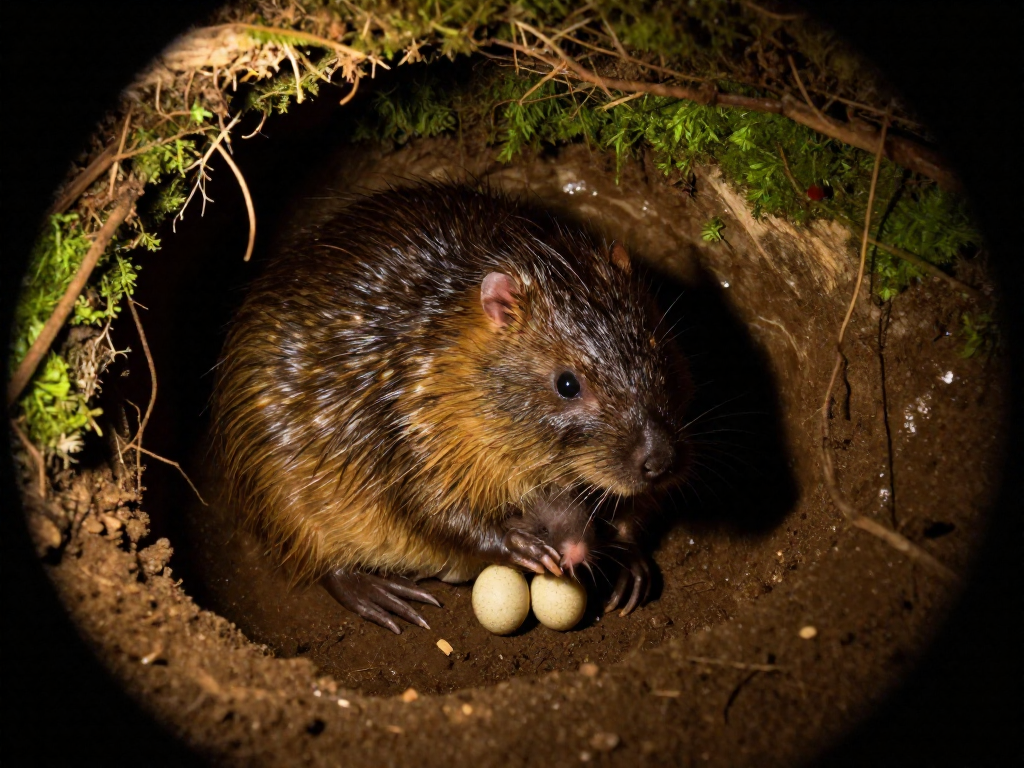
Platypus reproduction reads like a patchwork of reptile holdovers and mammalian upgrades. Females don't give birth to live young—they lay eggs. Two small, leathery eggs, each about 17 millimeters long, develop inside her for roughly 28 days before she deposits them. She then curls around them for a 10-day external incubation spell, tucked away in a nesting burrow that can stretch up to 30 meters through the riverbank, lined with wet grass to keep the eggs from drying out.
Once the eggs hatch, the real oddity begins. The babies—officially called puggles—are blind, hairless, and only the size of a jellybean. The mother has no nipples to feed them. Instead, milk seeps from a flat, areolar patch on her belly, pooling in the grooves of her skin where the puggles lap it up. It's a simple, slightly messy system that works perfectly in a pitch-black burrow.
Females reach sexual maturity around age two and can keep breeding well past nine years. In a genetic twist, the platypus's genome holds 52 chromosomes, and a whopping 10 of those are sex chromosomes (University of Melbourne). That's more than any other mammal, and it's part of what makes the platypus a living mosaic of evolutionary history.
Ancient Origins: A 166-Million-Year-Old Lineage
Platypuses belong to a lineage so ancient that it split from the rest of mammals around 166 million years ago—long before T. rex walked the Earth. This is the monotreme branch, and the platypus is one of only two surviving members of a group that once included a much wider cast of egg-laying mammals. In 2008, scientists sequenced the full genome of a female platypus named Glennie. What they found was a mosaic of avian, reptilian, and mammalian features, perfectly reflecting the animal’s deep evolutionary heritage.
The platypus carries 52 chromosomes, including 10 sex chromosomes—some of them so tiny that they resemble the micro-chromosomes of birds and reptiles (sauropsids). This kind of genetic setup is almost unheard of in mammals, and it’s a quiet reminder of just how far back this creature branches off the family tree.
Perhaps the most striking evidence of its ancient roots is seen in the venom made by males. Despite mammals and reptiles having gone their separate ways about 315 million years ago, the same gene families that reptiles use to brew venom toxins were independently harnessed in the platypus. It’s a spectacular case of convergent evolution, with the platypus assembling its toxic cocktail from defensin-like peptides, C-type natriuretic peptides, and nerve growth factor—as documented by the Australian Venom Research Unit. The similar venom blueprint re-emerged across hundreds of millions of years of separate evolution, a testament to nature’s remarkable ability to find the same solution twice.
Why the Platypus Matters: More Than a Curiosity
Far from a jumble of leftover parts, the platypus is a masterclass in specialization. When it dives into murky streams with eyes, nose, and ears sealed shut, it relies on a bill packed with three distinct receptor types that detect both electric fields and minute water movements—allowing it to judge distance and snap up prey in total darkness. Meanwhile, only mature males deploy venom during breeding season, a potent cocktail of at least nineteen peptides that can kill a dog, yet remarkably includes a D-amino acid—the only known example in a mammalian system (Wikipedia). Even its egg-laying isn’t a missing link; it’s an ancient, energy-efficient twist that suits a life of digging and foraging. These traits aren’t misfires—they’re precisely tuned for a nocturnal, aquatic niche, reminding us that “weird” often means wonderfully adapted. Protecting this ancient lineage means safeguarding a living blueprint of deep evolutionary time.
Sources
- Platypus electroreception — uwa.edu.au
- Electroreception and electrolocation in platypus - PubMed — pubmed.ncbi.nlm.nih.gov
- Platypus venom and spurs - Australian Platypus Conservancy — platypus.asn.au
- Platypus venom - Wikipedia — en.wikipedia.org
- Wide world of venom - the platypus — biomedicalsciences.unimelb.edu.au
- The platypus bill, push rods and electroreception - Australian Platypus Conservancy — platypus.asn.au
- To Hunt, the Platypus Uses Its Electric Sixth Sense | AMNH — amnh.org
- Platypus - Wikipedia — en.wikipedia.org
- Platypuses Aren't Weird, You Are — youtube.com
- Novel venom gene discovery in the platypus — pmc.ncbi.nlm.nih.gov
See also
- Echidna: The Other Egg-Laying Mammal
- Electric Eel: How It Generates Electricity
- Top 10 Venomous Animals
- The Science of Electroreception in Sharks
Related articles

My Unpopular Opinion: Stop Calling Them 'Killer' Whales
Why should we stop using the term 'killer whale'?
Jul 28, 2026 · 3 min read
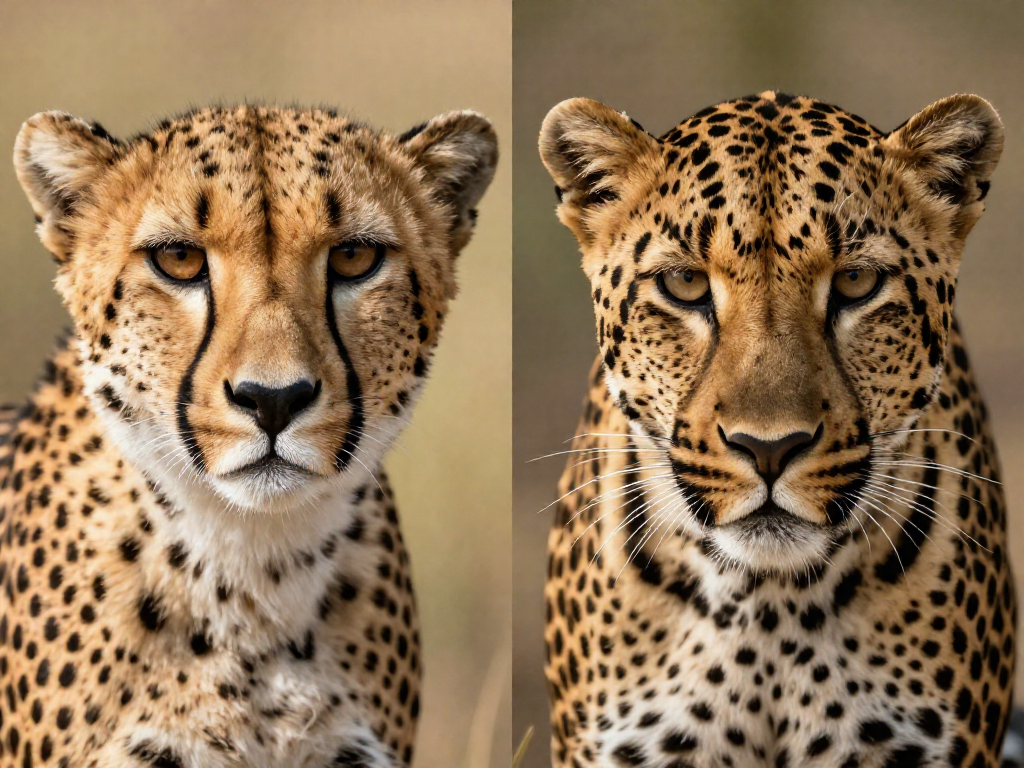
Cheetah vs. Leopard: Spotting the Difference in the Wild
How can you tell the difference between a cheetah and a leopard? Learn the key features including tear marks, spots, body shape, hunting styles, and sounds—all in one easy guide.
Jul 28, 2026 · 6 min read
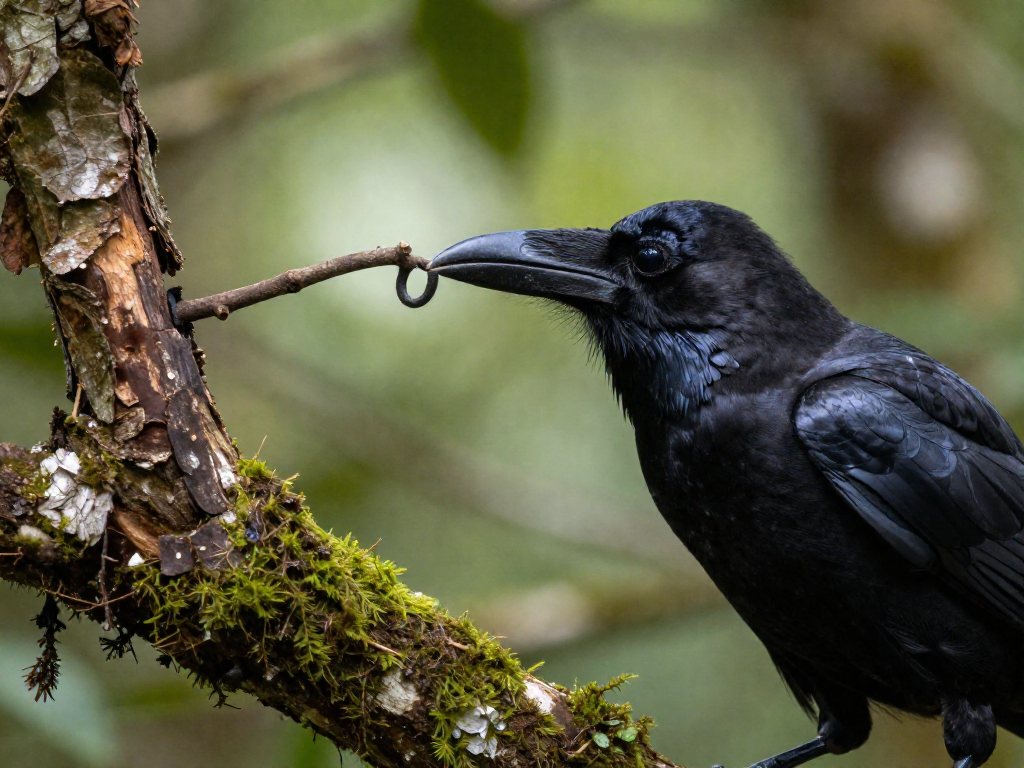
8 Animals That Use Tools (And What They Do with Them)
Which animals use tools, and how do they use them? From crows bending wires to octopuses carrying coconuts, discover 8 tool-using animals.
Jul 28, 2026 · 6 min read