Why Do Dogs Tilt Their Heads and Wag Their Tails?
What are dogs communicating with head tilts and tail wags?
On this page

The Quick Answer: Two Ways Dogs Communicate
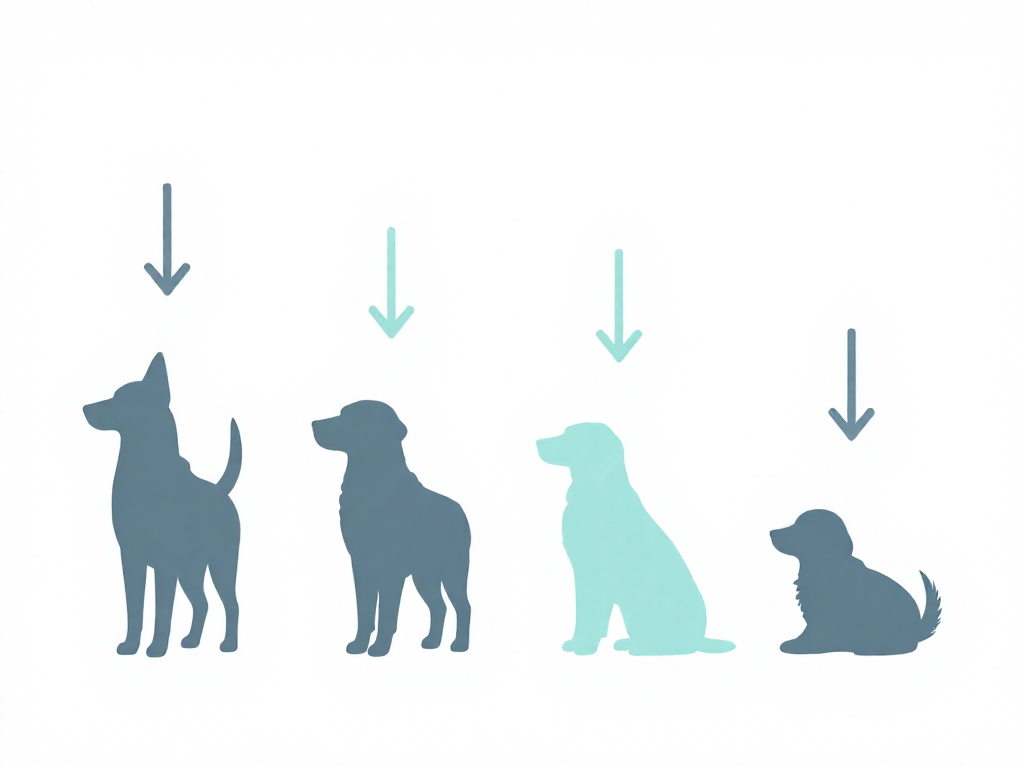
Here's the surprise: a wagging tail doesn't always mean "I'm happy," and a head tilt isn't just adorable—it's your dog working hard to understand you.
In short, both are communication tools:
- Head tilts help dogs hear, see, and process you better. Tipping the head can improve how they pinpoint a sound and may help them see your face around a long snout, especially when they're trying to catch a familiar word.
- Tail wags are emotional broadcasts—not just signs of joy. The direction, height, and speed can signal excitement, curiosity, uncertainty, or even nervousness. Research suggests dogs even wag more to the right when relaxed and more to the left when uneasy.
- Together, they're part of a rich body-language system that includes ears, posture, and eyes.
We'll break down each below.
Why Do Dogs Tilt Their Heads?
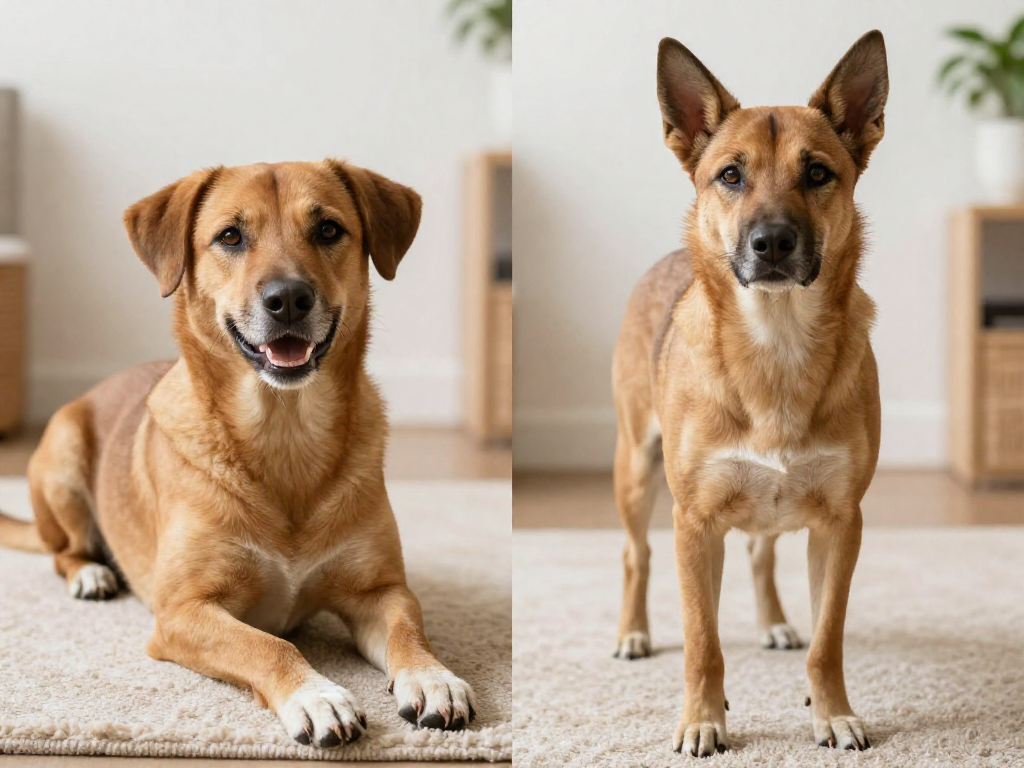
That adorable head tilt isn't just for the camera—scientists think it's your dog actively working to understand you. While there's no single proven answer yet, researchers have several compelling theories, and the truth is probably a mix of them.
Pinpointing where sound comes from. A dog's outer ears (the floppy or pointy flaps called pinnae) help funnel sound. By cocking the head, a dog may subtly shift those ears to lock onto exactly where a noise is coming from—a squeaky toy, a doorbell, or your voice.
Seeing your face better. Here's a fun one: a dog's muzzle can block part of its lower visual field. A tilt may help certain dogs—especially those with longer snouts—get a clearer view of your eyes and mouth, which carry a lot of the emotional cues they read.
Connecting sounds to meaningful words. Ever notice the tilt kick in when you say "walk" or "treat"? Many dogs appear to perk up and tilt when they hear a word they recognize and care about. The head tilt may be a sign your dog is matching a familiar sound to something it loves.
This last idea got real scientific support in 2021. A study from the Family Dog Project at Eötvös Loránd University in Hungary tracked "gifted word learner" dogs—rare dogs that can memorize the names of dozens of toys. These exceptional learners tilted their heads far more often (about 43% of the time) when asked to fetch a toy by name, compared to typical dogs (just 2%). The researchers suggested the tilt may reflect deep concentration and meaningful processing—a dog genuinely thinking hard.
So when your pup tilts its head, it's likely a window into focus and engagement: a small, charming sign that your dog is paying close attention and trying to make sense of you.
What Tail Wagging Actually Means
Here's the twist that surprises most dog lovers: a wagging tail doesn't automatically mean "I'm happy." It actually means "I'm feeling something" — and that something can be excitement, curiosity, uncertainty, or even stress. Think of the tail as a volume knob for emotion (researchers call it "arousal"), not a happiness meter.
The direction of the wag is a real clue. In a study published in Current Biology (2007), Italian researchers found that dogs wag more to the right side of their body when they see something they like — their owner, for example — and more to the left when they encounter something that makes them wary, like an unfamiliar, dominant dog. Other dogs can even read this difference: a 2013 follow-up showed dogs stayed relaxed watching a right-biased wag but grew anxious seeing a left-biased one.
The shape of the wag matters too:
- High and stiff: Often a sign of alertness or tension. The tail may quiver rapidly while held upright.
- Low and loose: Usually a calm, relaxed, or unsure dog.
- The full-body "helicopter" wag: A wide, circular swing that often comes with a wiggly body — about as close to pure joy as a tail gets.
Speed and height fine-tune the message. A faster wag generally signals higher excitement, while tail position reveals confidence: a tail held high tends to mean a bold or aroused dog, and a tucked tail signals fear or submission.
The big takeaway: never read the tail alone. A wag paired with relaxed ears, a soft mouth, and a loose body says something very different from the same wag paired with a stiff stance, hard stare, and pinned ears. Context is everything — the tail is just one word in a much longer sentence your dog is "speaking" with its whole body.
Reading the Two Together: Your Dog's Body Language
Here's the catch: a wagging tail does not always mean "happy." Scientists who study dog behavior stress that no single signal tells the whole story — you have to read the whole dog at once. Tail, ears, eyes, mouth, and posture work like words in a sentence.
So pair them up. The tail tells you how aroused or interested your dog is. The face and body tell you whether that feeling is friendly, nervous, or tense.
A few common combinations:
- Excited greeting: Loose, whole-body wag (often low and sweeping), relaxed open mouth, soft eyes, ears in their natural position. This is the "I'm thrilled you're home" dog.
- Uncertain stranger: A slower, lower wag paired with a tucked body, ears pulled back, and a closed mouth. The tail is moving, but the dog is asking a question, not celebrating.
- Warning sign: A high, stiff tail with a fast, tight twitch, combined with a hard stare, closed mouth, or a frozen, leaning-forward stance. A 2007 study even found dogs tend to wag more to the right when relaxed and more to the left when uneasy.
Quick cheat scenarios:
- Wag + loose body + soft eyes = comfortable
- Wag + tucked body + ears back = unsure, give space
- Wag + stiff body + hard stare = back off
When body parts disagree, trust the tense ones. If you're ever unsure about a dog's signals — especially one you don't know — give it room and check with the owner or a certified trainer.
Should You Worry? When These Behaviors Signal a Problem
Here's the surprising part: a head tilt isn't always your dog "listening hard." Sometimes it's a red flag waving for help.
Most communicative tilts are quick and situational—they pop up when you say "walk," grab the leash, or make an unfamiliar sound, then disappear. That's normal and nothing to worry about.
What's not normal is a head tilt that's constant, sudden, or doesn't go away. That can point to an ear infection or a problem with the vestibular system (the inner-ear network that controls balance). Watch for these warning signs:
- A persistent tilt that lingers even when nothing's happening
- Loss of balance, stumbling, or walking in circles
- Rapid, involuntary eye flicking (back-and-forth eye movements)
- Disorientation or unusual confusion
If you spot any of these, skip the home guesswork and call your veterinarian. A quick exam can catch issues early—and rule out anything serious.
The Takeaway
Your dog is talking to you all day long—you just have to know where to look. A head tilt usually means your dog is working hard to understand you, tuning in to a familiar word, sound, or your tone of voice. A wagging tail, on the other hand, is your dog telling you how they feel, whether that's joy, curiosity, or uncertainty.
Learn to read both at once and you'll catch the full conversation, deepening a bond that already runs thousands of years deep.
So the next time your pup cocks their head or sweeps their tail, pause and watch closely. What do you think your dog is trying to say?
See also
- Why Do Dogs Sniff Everything on Walks?
- Why Do Dogs Yawn When They're Not Tired?
- How Well Can Dogs Actually Understand Human Words?
- Why Do Cats Knead With Their Paws?
Related articles

When Your Dog Won't Stop Licking: A Troubleshooting Guide for Common Causes
Why does my dog keep licking everything, and how can I address it?
Jul 28, 2026 · 7 min read

Why Do Birds Sing at Dawn? The Science of the Dawn Chorus
Why do birds sing so loudly early in the morning?
Jul 28, 2026 · 6 min read

Monogamy vs. Polygamy in the Animal Kingdom: A Comparative Guide
How do monogamous and polygamous mating systems compare, and which animals use which?
Jul 20, 2026 · 9 min read