How Venom Works: The Animal Kingdom's Deadliest Chemistry
How does animal venom work and what makes it so dangerous?
On this page
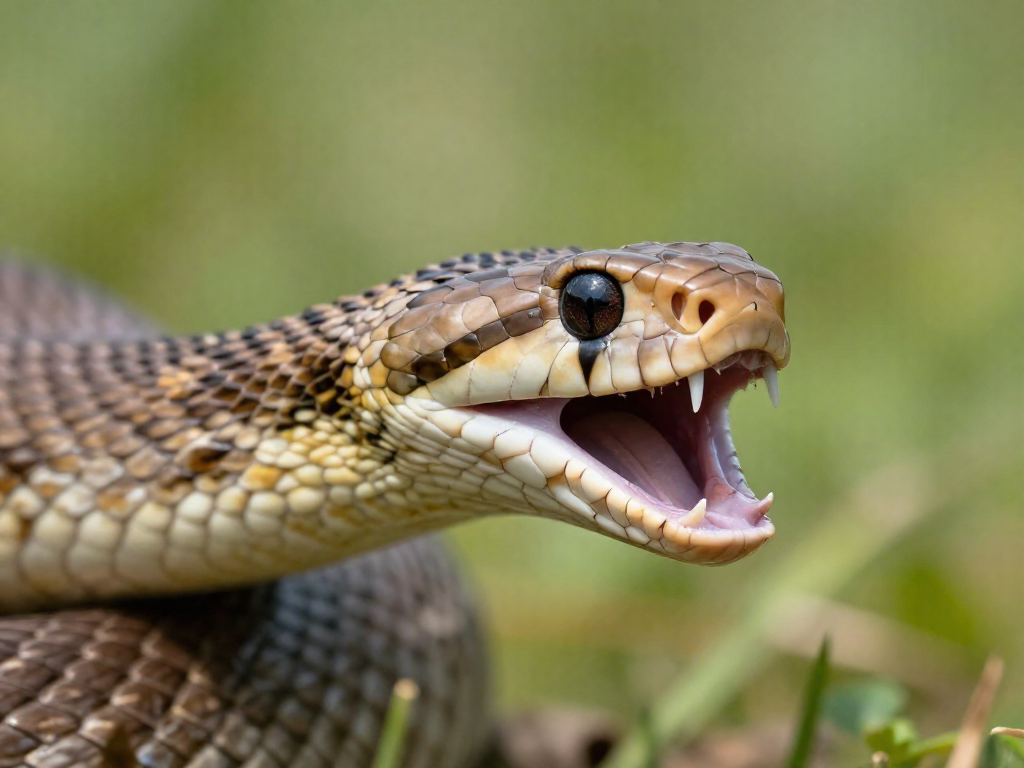
Venom vs. Poison: The Difference Almost Everyone Gets Wrong
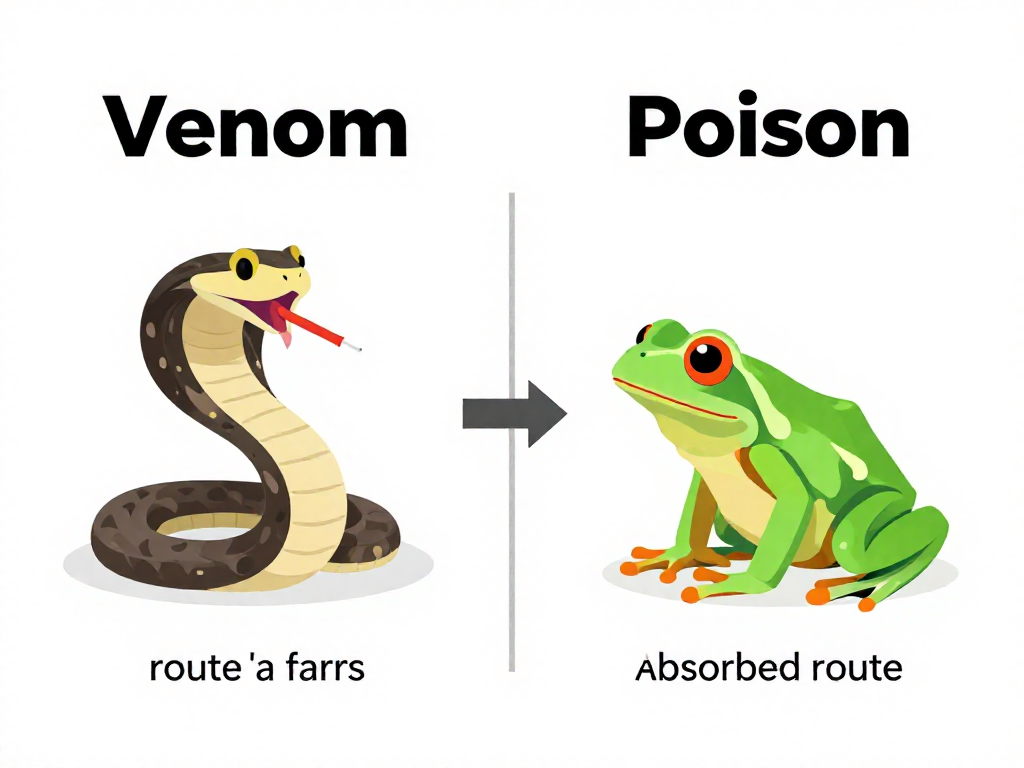
Here's a fact that trips up almost everyone, including plenty of science writers: a rattlesnake is venomous, but a poison dart frog is poisonous—and those words are not interchangeable. The difference comes down to one thing: how the toxin gets into you.
The quick rule of thumb:
If it bites you and you get sick, it's venom. If you bite it and you get sick, it's poison.
It's a goofy mnemonic, but it captures the real biology.
- Venom is delivered (injected). It's actively pushed into another animal through a wound—fangs, stingers, spines, or barbs. Think rattlesnakes, scorpions, bees, and stingrays. Venom is a tool the animal uses on something else.
- Poison is passive (absorbed, swallowed, or inhaled). It only harms you if you touch, eat, or breathe it. The animal isn't aiming it at anyone—it's a "don't eat me" defense. Think poison dart frogs, monarch butterflies, and pufferfish.
A couple of quick examples to lock it in:
- 🐍 Rattlesnake = venom. It injects toxins through hollow fangs when it strikes.
- 🐸 Poison dart frog = poison. Its skin carries toxins; you'd only be harmed by handling or eating it.
So where does the line blur? Nature loves exceptions:
- A few animals are both. Certain snakes, like some Asian keelbacks, inject venom and store toxins in their skin from the toxic toads they eat—venomous and poisonous at once.
- A rare few are neither, despite looking dangerous—plenty of "scary" species are completely harmless.
Keep this one distinction in your back pocket, and the rest of the venom story will click into place.
What Venom Actually Is: A Cocktail of Biological Weapons
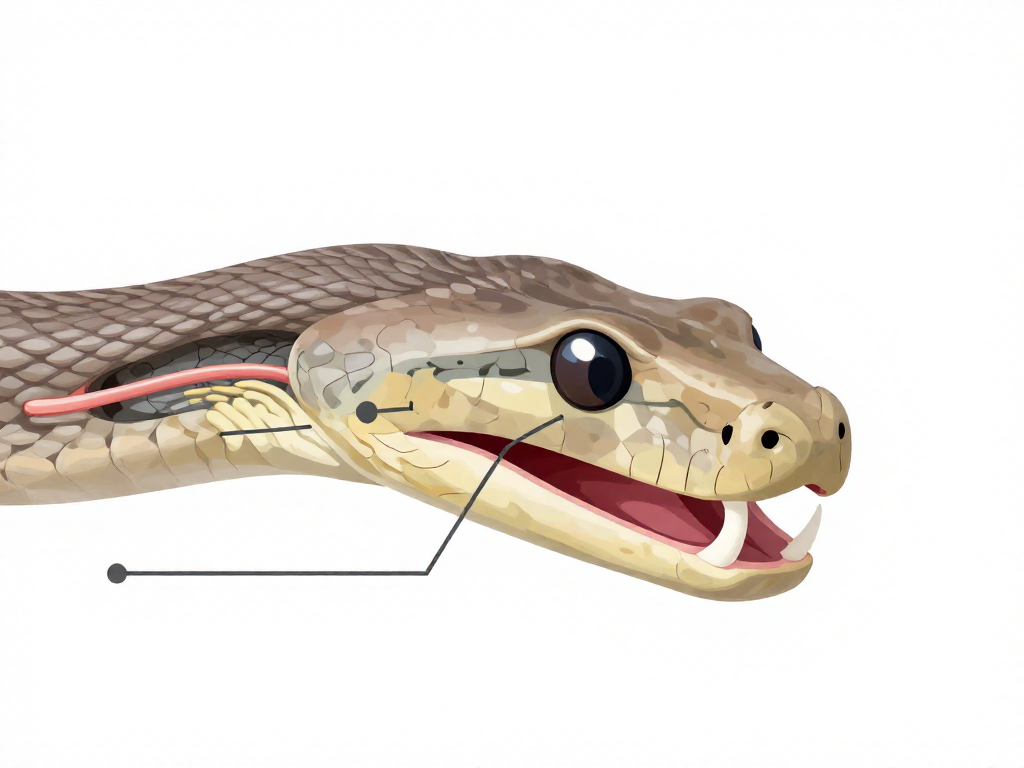
Here's the twist: venom isn't a single "poison." A king cobra's bite or a scorpion's sting delivers a custom-built chemical mixture—sometimes containing dozens to hundreds of different ingredients working at once.
Most of that mixture is built from proteins, peptides (short chains of protein building blocks), and enzymes (molecules that speed up chemical reactions). These aren't random. Each component is a tool with a job:
- Tissue-breakers dissolve flesh and membranes, helping venom spread fast
- Nerve-disruptors (neurotoxins) jam the signals between nerves and muscles, causing paralysis
- Blood-meddlers either stop blood from clotting or force it to clot in the wrong places
That mix-and-match design is why scientists often call venom a "molecular Swiss Army knife." One animal carries several different weapons in a single dose, and the exact blend varies from species to species—even between individuals depending on their age, diet, and where they live.
There's a catch, though, and it shapes how venomous animals behave. Building all those custom proteins is metabolically expensive—it takes real energy and resources, and refilling depleted glands can take days. Because of that cost, many venomous animals ration their supply.
This is where the surprising "dry bite" comes in: rattlesnakes and other snakes can strike and inject little or no venom, especially in warning or defensive bites, saving their pricey chemistry for catching a meal. Some studies estimate a notable share of defensive snake bites deliver reduced venom for this reason.
Understanding that venom is a targeted cocktail—not one magic toxin—is the key to the next question: how do these ingredients actually take down prey far larger than the animal delivering them?
Delivery Systems: How Animals Get Venom Into You
A cone snail can fire a venom-loaded "harpoon" so fast that high-speed cameras struggle to catch it — and that single shot can take down a fish in seconds. Venom is only half the story. The real engineering marvel is the delivery system, the toolkit each animal uses to inject its chemistry exactly where it needs to go.
Fangs Built Like Needles
Snakes are the headliners here. Front-fanged species like cobras and vipers carry hollow fangs that work like hypodermic needles, pumping venom deep with a single bite. Rear-fanged snakes (think boomslangs) have grooved teeth set farther back, so venom trickles down a channel as they chew — slower, but still effective. Viper fangs can fold flat against the roof of the mouth and swing forward to strike, with some Gaboon viper fangs reaching about 2 inches (5 cm), the longest of any snake.
Stingers, Harpoons, and Microscopic Spears
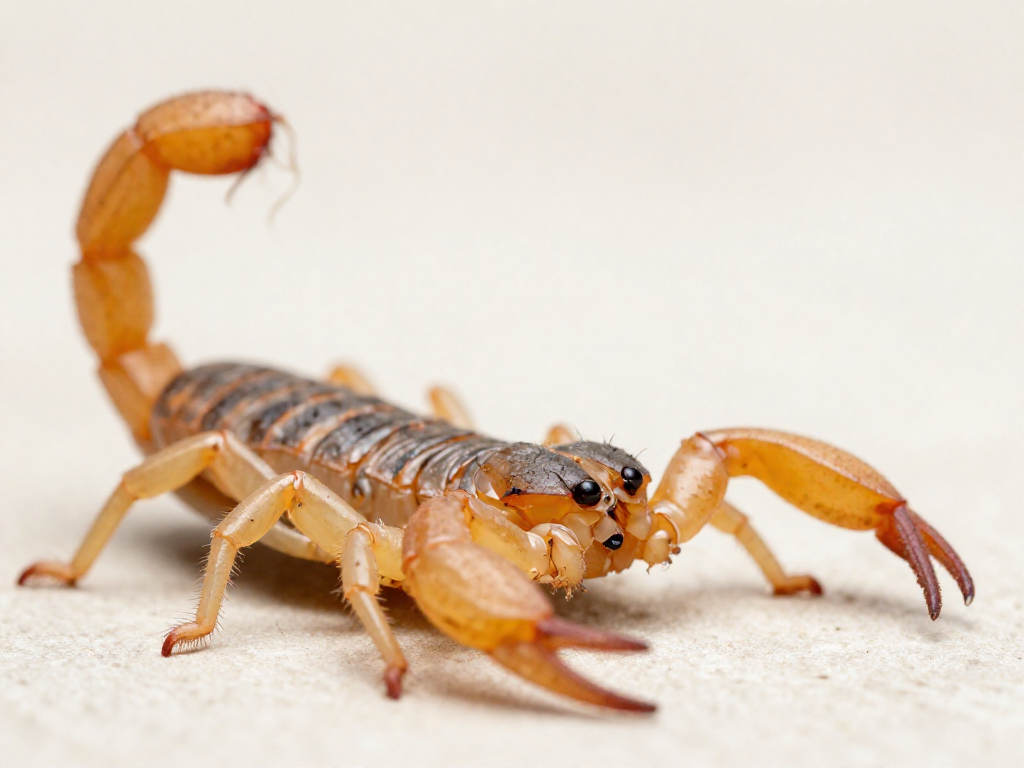
- Bees, wasps, and scorpions use stingers — modified body parts at the rear. A honeybee's barbed stinger snags in skin and tears loose, which is why a bee can only sting you once. Wasps and scorpions keep smooth stingers and can strike again and again.
- Cone snails launch a single hollow, harpoon-like tooth on a stretchy "tongue," injecting venom faster than almost any animal on Earth.
- Jellyfish rely on nematocysts (microscopic stinging capsules), with thousands lining each tentacle. Touch triggers them to fire a coiled, venom-tipped thread in well under a millisecond — one of the fastest movements in all of biology.
- Fish like stonefish and lionfish carry venom along grooved spines. There's no aiming or injecting; you supply the pressure when you step on or grab one.
The Glands That Control the Dose
Behind every delivery tool sits a venom gland (the organ that produces and stores venom), often wrapped in muscle. Squeezing those muscles lets many animals meter their dose — a defensive snake may deliver a "dry bite" with little or no venom, saving its costly supply for prey. Producing venom takes real energy, so animals tend to spend it carefully.
If you encounter a venomous animal in the wild, give it space and contact local wildlife or poison-control experts rather than handling it yourself.
The Three Main Ways Venom Kills
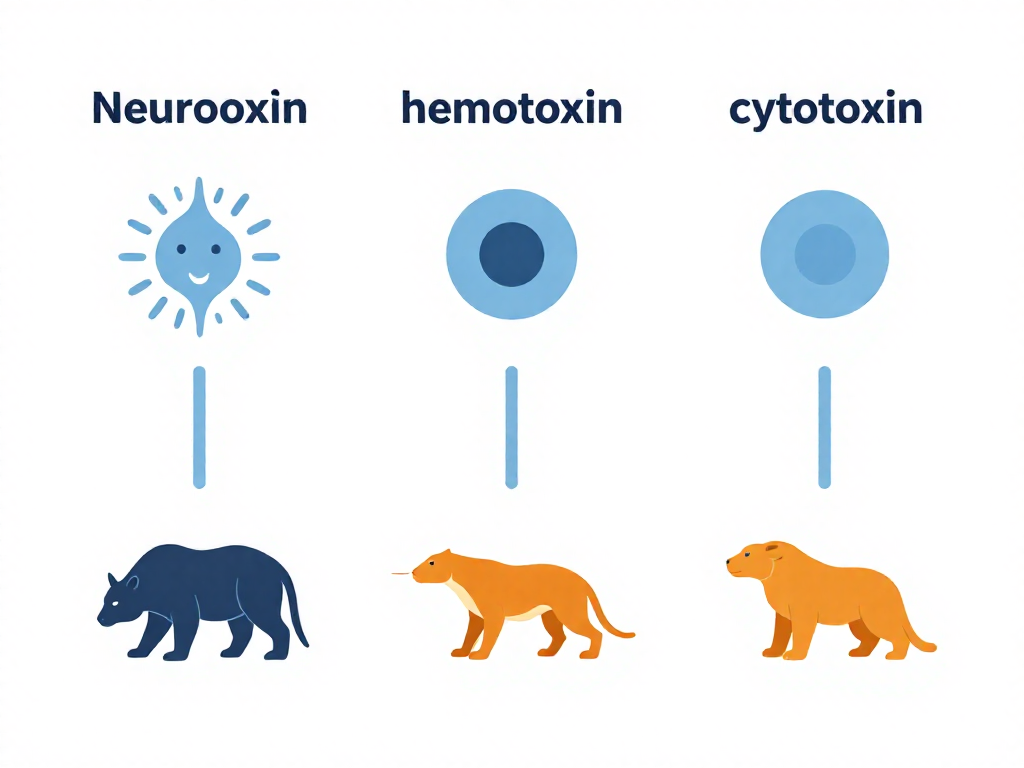
Here's the wild part: venom doesn't have one trick. It has a whole toolkit, and different animals specialize in different kinds of chemical sabotage. Scientists sort most venoms into three families based on what they attack — your nerves, your blood, or your tissue.
Neurotoxins: Hijacking the Nervous System
Neurotoxins go after your nervous system (the network of nerves that carries signals between your brain and muscles). They work like a jammed phone line, blocking the messages that tell your muscles to move. The terrifying result is paralysis — and because breathing depends on muscles like the diaphragm, a strong dose can stop a victim from breathing.
The cobra is the classic example. Its venom can shut down respiration, which is why antivenom and a ventilator can be lifesavers. The world's most venomous land snake by lab measure, Australia's inland taipan, is also loaded with neurotoxins.
Hemotoxins: Attacking the Blood
Hemotoxins target your blood and blood vessels. Some throw your clotting system into chaos so wounds won't stop bleeding; others trigger runaway clots that can choke off circulation. Either way, the body's plumbing gets wrecked.
Many vipers, like the saw-scaled viper and the Russell's viper, rely on hemotoxic venom. These snakes are responsible for a huge share of serious snakebites across South Asia, partly because their venom causes such dramatic bleeding and clotting failures.
Cytotoxins: Destroying Cells
Cytotoxins (cell-killing toxins) do their damage right where the bite lands. They break down cells and tissue around the wound, which is why some bites cause swelling and lasting local injury rather than whole-body shutdown.
The brown recluse spider is the poster child here. Its venom contains a tissue-damaging enzyme, and a small number of bites can lead to a slow-healing wound. Worth knowing: many suspected "recluse bites" turn out to be something else entirely, since the spiders are shy and far less common than the headlines suggest.
Why the Deadliest Venoms Mix All Three
Nature rarely keeps things simple. Plenty of venomous animals brew cocktails that combine neurotoxic, hemotoxic, and cytotoxic effects, hitting nerves, blood, and tissue at the same time. Some rattlesnakes, for instance, carry venom that can damage tissue, disrupt clotting, and affect the nervous system depending on the species and individual.
That overlap is exactly why venom is such a marvel of evolution — and why a single antidote almost never works for every bite.
Why Venom Is So Fast and So Targeted
Here's the twist that makes venom even more astonishing: it isn't a single all-purpose weapon. It's a custom-built recipe, fine-tuned by millions of years of evolution to take down one predator's favorite prey as quickly as possible.
Speed is the whole point. A meal that runs, swims, or flies away is a meal lost — and a struggling animal can injure its attacker. So many venoms are engineered for near-instant results. The deathstalker scorpion and certain cone snails carry toxins that scramble a small animal's nervous system in seconds, freezing it before it can escape. The faster the takedown, the safer and surer the meal.
The recipe matches the menu. Snakes that hunt mammals often load their venom with compounds that attack blood and tissue, while those that eat lizards or frogs favor nerve-targeting toxins. Researchers have even watched venom shift across a single species' range as its preferred prey changes — proof that evolution keeps editing the formula.
It's an arms race. When prey starts surviving, predators escalate. California ground squirrels have evolved blood proteins that blunt rattlesnake venom, so in some regions the snakes carry stronger, more complex venom to keep up. Biologists call this co-evolution: each side pushing the other to adapt, generation after generation.
This targeting also explains a puzzle people often ask about. The same bite can be deadly to one animal and barely noticeable to another, because a toxin only "works" if it fits the locks (receptors) in a particular body. A honeybee sting hurts you but means little to a bee-eating bird with built-in resistance.
In short, venom isn't just powerful — it's precise, personal, and constantly evolving.
From Killer to Cure: How Venom Saves Lives
Here's a plot twist: the same molecules that can stop your heart are now sitting in pharmacies, helping people live longer. The deadliest chemistry in nature has quietly become one of medicine's richest treasure chests.
Quick answer: Scientists turn venom into life-saving antivenom and into drugs for high blood pressure, blood clots, and chronic pain.
Turning poison into a cure
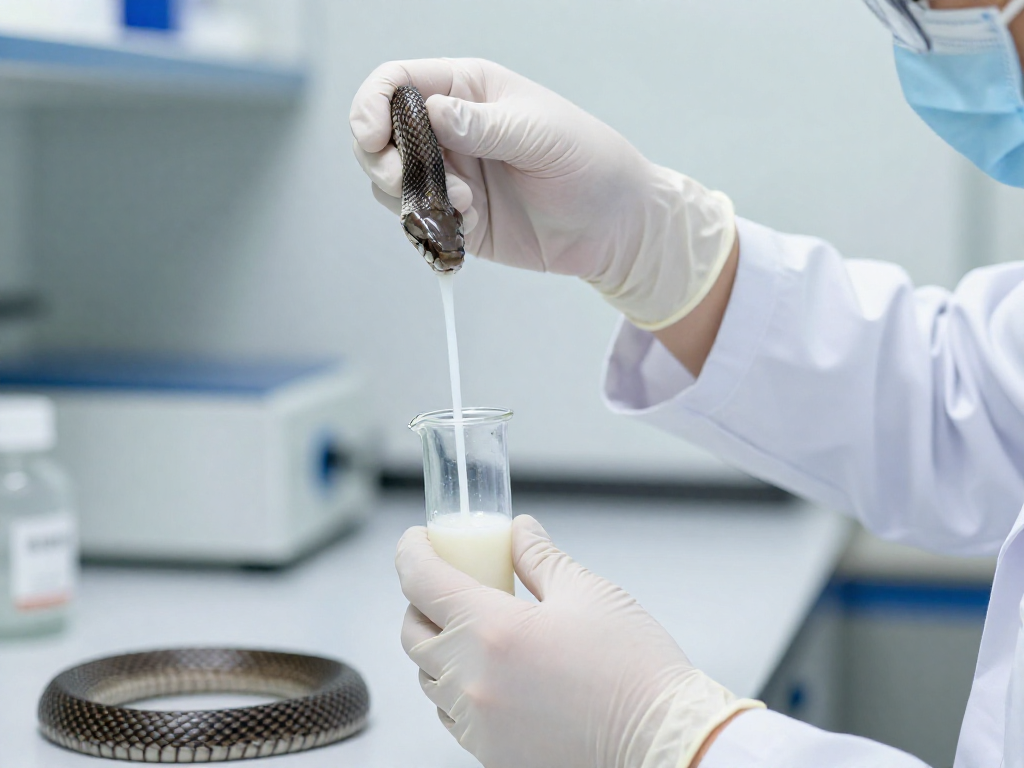
To make antivenom, researchers carefully collect ("milk") venom from snakes, scorpions, or spiders, then inject tiny, safe doses into animals like horses or sheep. The animal's immune system builds antibodies (proteins that neutralize the venom), and those antibodies are purified into the antivenom that hospitals use. According to the World Health Organization, snakebites cause an estimated 81,000–138,000 deaths a year, so this work saves enormous numbers of lives.
Venom in your medicine cabinet
Some everyday medicines started out as animal weapons:
- Captopril, a widely used blood-pressure drug, was developed from a Brazilian pit viper's venom.
- Eptifibatide, a clot-preventing medicine used during heart attacks, is based on a rattlesnake venom protein.
- Ziconotide, a powerful pain reliever, comes from a cone snail—a sea creature whose venom can paralyze fish in seconds.
That's why scientists study the most dangerous species so closely: each venom is a finely tuned chemistry set, and we've only tested a fraction of it.
Why saving species saves us, too
Here's the wonder-and-warning part. Every venomous animal that vanishes takes its unique chemical recipes with it—recipes we may never get to read. Protecting snakes, spiders, scorpions, and cone snails isn't just good for nature; it protects a library of future medicines we haven't even discovered yet.
What to Do If You're Bitten or Stung
Here's the surprising part: the most famous "first aid" tricks for snakebites—cutting the wound, sucking out venom, packing it in ice, or strapping on a tourniquet—can actually make things worse. Modern medical experts, including the U.S. CDC and poison control centers, have retired all of them.
So what should you do instead? Keep it simple.
- Stay calm and stay still. A racing heart pumps venom through your body faster. Keep the bitten or stung area as motionless as possible and positioned at or slightly below heart level.
- Skip the old myths. Don't cut, suck, ice, or apply a tourniquet. These don't remove venom and can cause tissue damage, infection, or cut off blood flow.
- Remove tight items fast. Slip off rings, watches, and tight clothing near the bite before swelling starts—afterward, they may have to be cut off.
- Get to medical care quickly. Many serious bites have an antivenom (a treatment that neutralizes venom). If you can do so safely, note the animal's color, size, and shape—but never risk a second bite to catch or photograph it up close.
Call 911 for trouble breathing, swelling of the face or throat, fainting, or any venomous snake bite. Call Poison Control at 1-800-222-1222 (free, 24/7) for non-emergency stings, bites, or to ask "is this dangerous?" When in doubt, make the call—they'd rather hear from you early.
See also
- How Snakes Hunt Without Arms or Legs
- The World's Deadliest Animals (Ranked)
- How Jellyfish Sting Without a Brain
- Animal Superpowers: Nature's Most Surprising Defenses
- Why Some Animals Are Immune to Venom
Related articles
How Do Spiders Make Silk? The Chemistry Behind Nature's Strongest Fiber
How do spiders produce silk, and what makes it so strong?
Jul 28, 2026 · 10 min read
How Electric Eels Generate Shocks: A Deep Dive into Nature’s Living Batteries
How do electric eels produce electricity?
Jul 28, 2026 · 10 min read
Why Don't Woodpeckers Get Headaches? The Built-In Shock Absorbers
How do woodpeckers avoid brain injury despite repeated hammering?
Jul 20, 2026 · 6 min read