Built to Survive Extremes: Animals That Thrive Where Nothing Should
How do animals survive in the most extreme environments on Earth?
On this page
What Counts as an "Extreme" Environment (and Why It Should Kill Things)
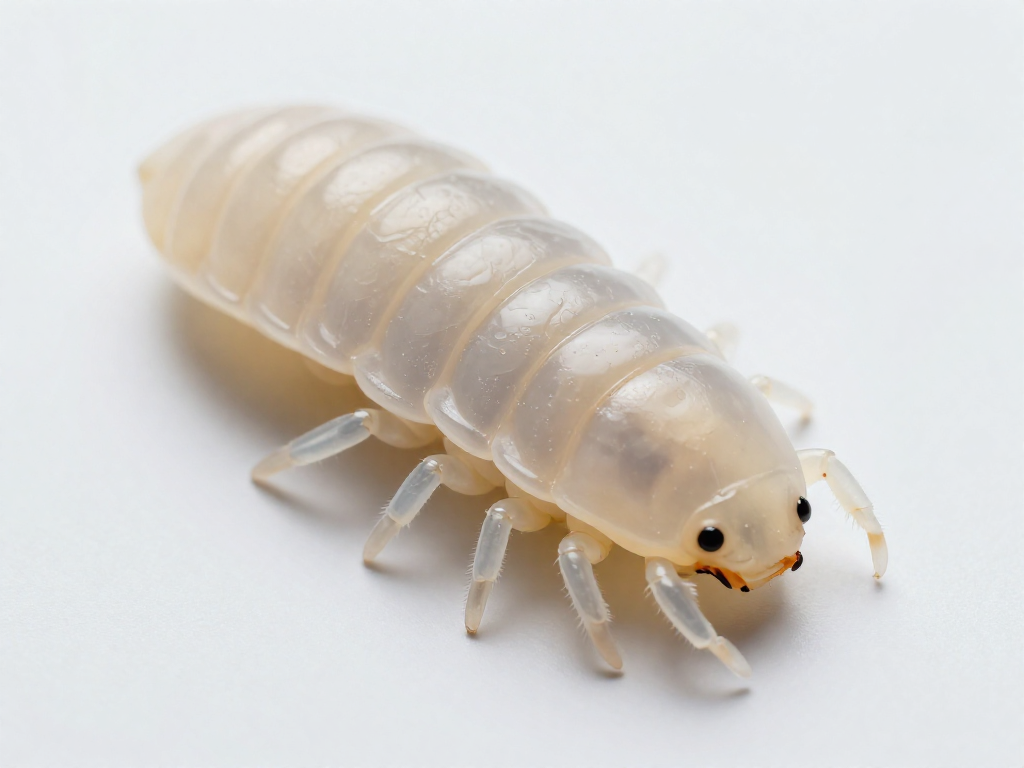
Drop an unprotected human into boiling hot springs, the crushing deep sea, or an Antarctic winter, and the math is grim: you'd last minutes, maybe seconds. Yet entire animals live in those exact spots, full-time, no complaints. We call the toughest of them extremophiles (organisms built to thrive in conditions that would destroy ordinary cells).
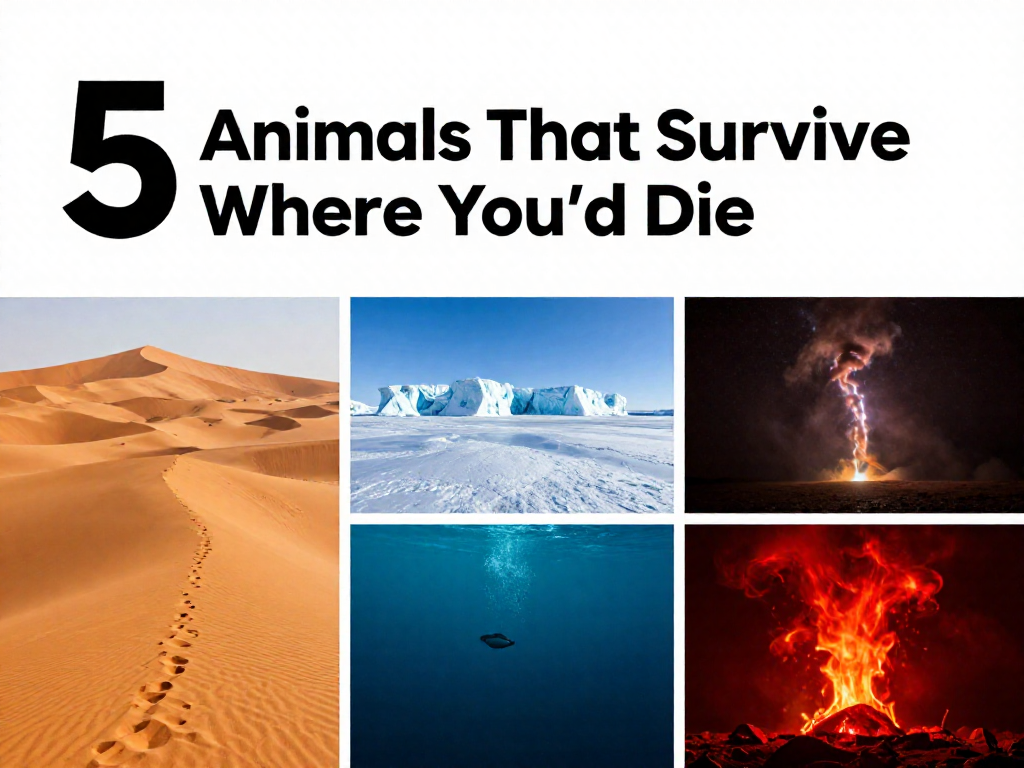
This article follows animals through four environments that should, by every rule of biology, be lethal:
- Scorching heat — desert sand and geothermal water hot enough to cook tissue
- Deep cold — polar ice and frozen ground that turns body fluids to crystal
- Crushing pressure — the deep ocean, where the weight of water can flatten a sealed container
- Oxygen-starved zones — high mountains, mud, and gut-deep burrows where there's barely a breath to be had
Here's why these places normally end life. Heat unravels proteins (the molecular machines that run every cell), the same way frying an egg turns clear goo solid and permanent. Deep cold freezes the water inside cells, and ice crystals slice cell walls apart from the inside. Extreme pressure can collapse air-filled spaces and warp the very molecules a body depends on. And without oxygen, the brain and muscles run out of fuel fast — a few minutes is all most animals get.
So how do some creatures shrug all of that off? The surprising part isn't that survival is possible — it's that nature keeps reaching for the same small toolkit. Antifreeze chemistry, pressure-proof molecules, heat-stable proteins, and clever ways to slow the body to a near-stop show up again and again, in animals that aren't even related. That repetition is the real story, and it's where we're headed next.
Surviving Brutal Heat: Deserts, Hot Springs, and Hydrothermal Vents
Imagine living with your head in water cool enough for a hot bath while your tail bakes near 176°F (80°C). That's daily life for the Pompeii worm (Alvinella pompejana), one of the most heat-tolerant animals known, which builds its tube on deep-sea hydrothermal vents (cracks in the ocean floor that gush superheated, mineral-rich water). Its secret? A fuzzy "fleece" of bacteria coating its back. Scientists think this living blanket may help insulate the worm and process vent chemicals—a partnership that turns a death trap into a home.
Heat survival, it turns out, is less about toughing it out and more about clever engineering.
The midday daredevil
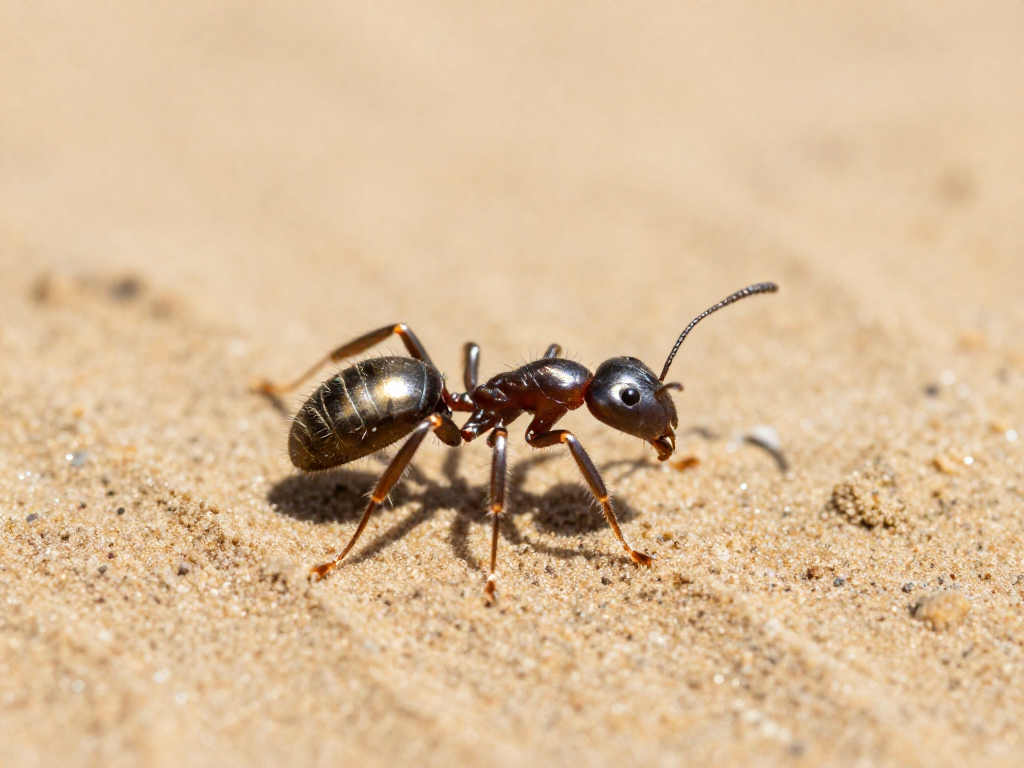
Most desert animals hide from the noon sun. The Saharan silver ant (Cataglyphis bombycina) sprints straight into it. When surface temperatures top 140°F (60°C), these ants dash out to scavenge insects that have already cooked—then race back before they overheat themselves.
Two tricks make this possible:
- Built-in mirrors. Triangular hairs cover the ant's body and reflect sunlight, keeping it cooler than its surroundings (research from the University of Zurich and others documented this silvery shine).
- Speed. These ants are among the fastest on Earth for their size, covering roughly 100 body lengths per second, so each scorching foraging trip lasts only a few minutes.
The desert toolkit
Larger desert animals lean on a handful of reliable strategies:
- Heat dumping. The fennec fox's oversized ears aren't just adorable—they're radiators, releasing body heat into the air through a rich network of blood vessels.
- Going nocturnal. Many desert species simply skip the heat, hunting and moving at night when temperatures plunge.
- Burrowing. A few feet underground, the soil stays dramatically cooler and more humid than the blazing surface, giving animals a built-in air-conditioned shelter.
The cellular repair crew
Here's where the real magic hides. Extreme heat damages proteins, the tiny molecular machines that keep cells running, by causing them to unravel and clump—a bit like an egg white turning solid in a hot pan.
To fight back, heat-stressed cells crank out heat-shock proteins (molecular helpers that grab damaged proteins and coax them back into their proper shape). Think of them as an on-call repair crew that rushes in whenever the heat starts breaking things. Animals in hot environments often carry especially robust versions of these helpers.
That points to the big, surprising lesson of life in the heat: many of these animals don't really resist high temperatures at all. Instead, they survive by repairing damage and offloading heat faster than it can pile up. Whether it's a vent worm wearing a bacterial coat, an ant flashing mirrored hairs, or a fox fanning heat through giant ears, the winning move isn't standing firm against the heat—it's never letting it win.
Surviving Deep Cold: Polar Ice, Frozen Tundra, and Subzero Survival
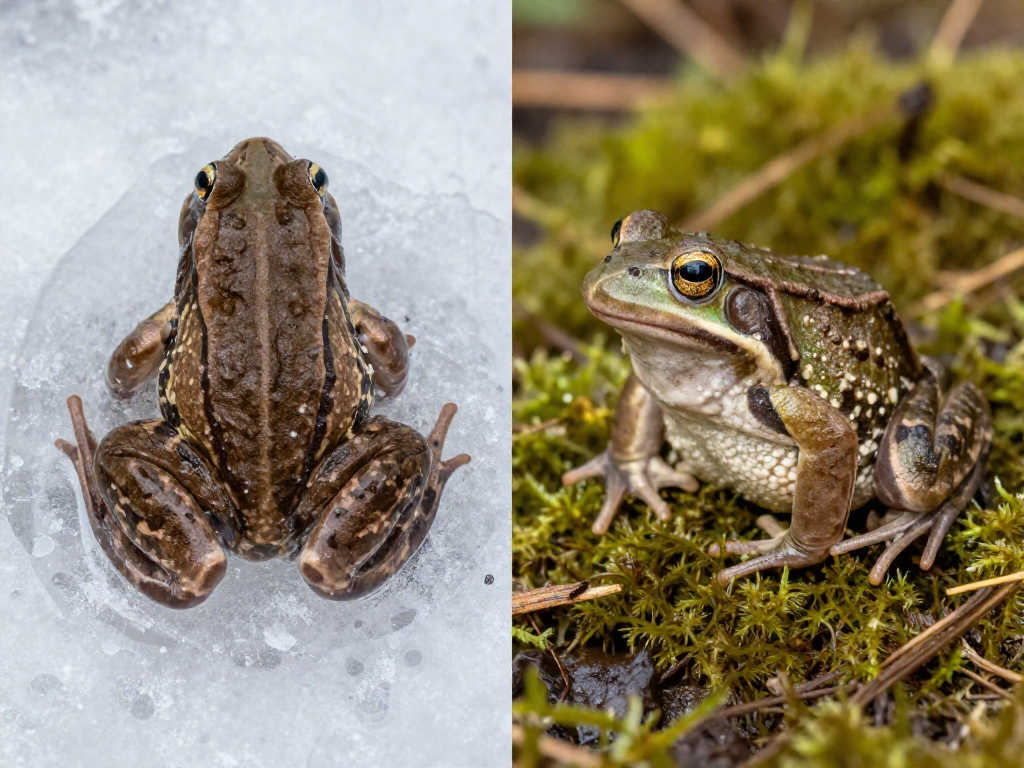
Imagine an animal whose heart stops beating, whose blood turns to ice, and whose body freezes nearly solid all winter—then thaws back to life in spring. That's not science fiction. It's the wood frog (Lithobates sylvaticus), found across North America, including Alaska. As temperatures drop, up to 65–70% of the water in its body turns to ice. Its heartbeat and breathing stop completely. Come spring, it thaws and hops away like nothing happened.
How? The frog floods its cells with sugar. As ice begins to form, its liver dumps huge amounts of glucose into the bloodstream—acting like a natural antifreeze that protects cells from collapsing. The ice forms between cells, not inside them, where it would shred them apart. This is called freeze-tolerance (the ability to survive while partly frozen).
That's different from the more common strategy, freeze-avoidance (keeping body fluids from freezing in the first place). The champions here are Antarctic icefish and notothenioid fish that swim in water colder than 30°F (-1.8°C)—below the normal freezing point of their blood. They survive thanks to antifreeze glycoproteins, special molecules that latch onto tiny ice crystals and stop them from growing. Discovered by biologist Arthur DeVries in the 1960s, these proteins are so effective that researchers have studied them for everything from preserving organs to keeping ice cream smooth.
Big bodies stay warm with smart plumbing
Warm-blooded polar animals lean on insulation and clever circulation. Whales, seals, and walruses carry thick blubber—a fat layer that can be several inches deep—to trap body heat. But the standout trick is countercurrent heat exchange. In a penguin's feet (or a seal's flippers), warm arteries run right alongside cold veins. Heat passes from the outgoing blood to the returning blood, so warmth is recycled back into the body instead of being lost to the ice. That's why penguins can stand on frozen ground for hours without freezing their feet—and why their feet stay just above freezing while their core stays toasty.
The myth worth busting
Here's a common mistake: assuming cold-blooded (ectothermic) animals can't handle the cold. In truth, some are the planet's best cold-survivors. The wood frog, certain insects, painted turtle hatchlings, and even some Arctic ground beetles endure freezing far better than any mammal could. Being cold-blooded doesn't mean being helpless in winter—it means having evolved an entirely different, and sometimes more astonishing, toolkit for surviving it.
Surviving Crushing Pressure: Life in the Deep Sea
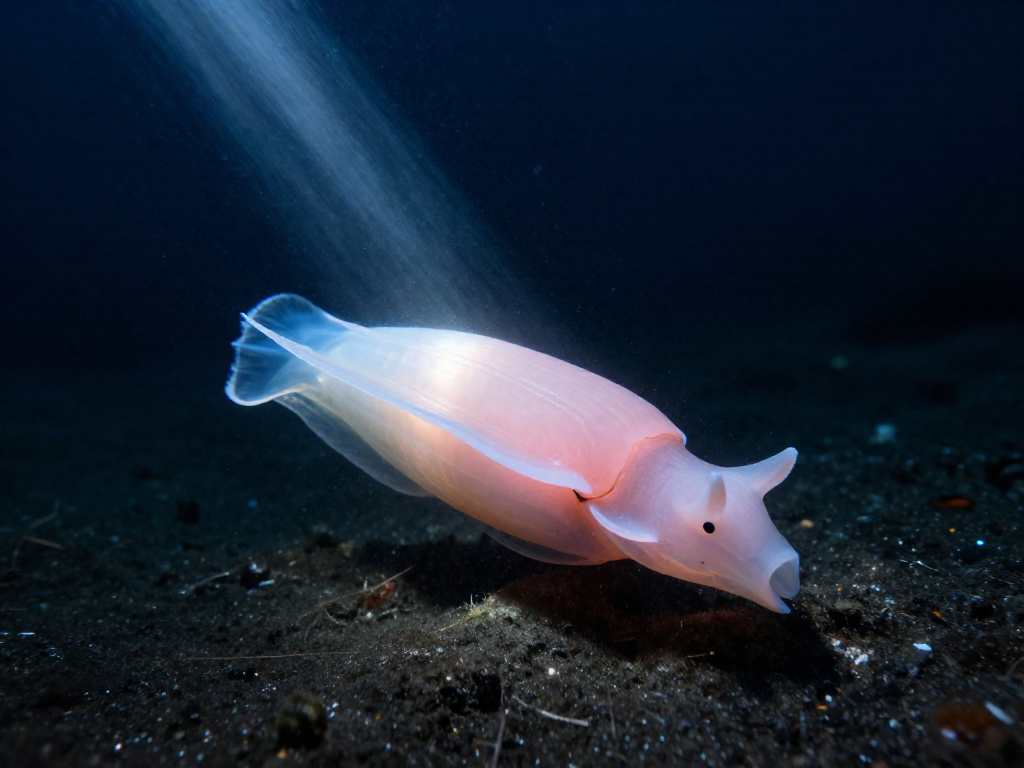
At the bottom of the Mariana Trench, the water pushes down with the weight of about 1,100 atmospheres — like balancing 100 elephants on your big toe. And yet, swimming calmly through that crush is a small, pale fish that looks like it's made of melting jelly. How is that even possible?
Why the deep sea should flatten you
Pressure builds fast underwater. For every 33 feet (10 meters) you descend, the pressure climbs by one atmosphere. By the deepest trenches — nearly 7 miles (about 11,000 meters) down — the squeeze is over 1,000 times what you feel at the beach.
The danger isn't the water itself. It's air-filled spaces. Gas compresses; water and tissue mostly don't. That's why a submarine implodes and a foam cup shrinks to thimble-size on a deep dive, while a water balloon barely notices. Any animal carrying pockets of air would be in serious trouble.
The snailfish's clever tricks
The Mariana snailfish (Pseudoliparis swirei), filmed below 26,000 feet, is the deepest-living fish ever recorded. It survives by not fighting the pressure at all. Its body has:
- No swim bladder. Most fish use this gas-filled organ to float; at depth, it would collapse. Deep-sea fish skip it and stay neutrally buoyant other ways.
- A soft, gelatinous body. No big air gaps means almost nothing to crush. The squishy tissue matches the pressure of the water around it.
- A flexible, partly unfinished skeleton. Its bones stay soft and incomplete, so there's no rigid frame to fracture.
The real fix is molecular
Here's the nonobvious part: extreme pressure isn't a wall an animal pushes back against. It's a problem solved deep inside the cells. Crushing pressure can warp proteins (the tiny molecular machines that run every living thing) and stop them from working.
Deep-sea creatures fight back with a molecule called piezolyte — in fish, usually trimethylamine N-oxide (TMAO) — that braces proteins and keeps them in the right shape under pressure. Studies have found TMAO levels rise the deeper a fish lives, and scientists think this chemistry may set a hard limit on how deep any fish can ever go: roughly 27,000 feet (about 8,200 meters).
And pressure is just one challenge. Down there, the water hovers near freezing (around 34–39°F / 1–4°C), and sunlight vanished long ago — it's total, permanent darkness. Deep-sea animals beat all three extremes at once, mostly by quietly tuning their bodies to match the world instead of resisting it.
Surviving Without Oxygen: The Animals That Barely Breathe
Imagine an animal that never takes a single breath — not because it's holding it, but because it has never needed oxygen at all. In 2010, scientists exploring a deep, salty basin in the Mediterranean found exactly that: tiny creatures called Loricifera (loh-rih-SIF-er-uh, microscopic sediment-dwellers smaller than a grain of sand) living their entire lives in water with essentially zero oxygen. They were the first animals ever discovered that complete their whole life cycle without it, reported in the journal BMC Biology.
Quick answer: Some animals survive low- or no-oxygen conditions by switching how they make energy — or by slowing their bodies down so dramatically that they barely need any.
Aerobic vs. anaerobic, in plain terms
Most animals, including us, are aerobic — we use oxygen to "burn" food for energy, like a fire needs air. But there's a backup setting: anaerobic energy, which makes power without oxygen. It's far less efficient and usually produces waste that builds up fast (it's why your muscles burn during a sprint). A few remarkable animals have turned this emergency mode into a survival strategy.
The champions of barely breathing
-
Naked mole-rats live packed into underground colonies where oxygen runs thin and carbon dioxide piles up. When starved of oxygen, they flip to burning fructose (a sugar) for fuel — the same trick plants use — and can survive about 18 minutes with no oxygen at all, according to research in Science. A mouse in the same conditions dies within a minute.
-
Painted turtles take it even further. Trapped under frozen ponds all winter, they can go months without breathing air, dialing their metabolism (the rate they use energy) down to a near standstill and even using their shells to buffer acid buildup.
-
Crucian carp pull off a similar feat, converting their anaerobic waste into alcohol and breathing it out through their gills — a chemical loophole that lets them outlast oxygen-free water for weeks.
Why it matters
These animals stretch our definition of what "alive" even requires. If complex life can thrive without oxygen here on Earth, it widens the search for life elsewhere — on moons and worlds where the air we depend on simply doesn't exist. The limits of life, it turns out, are far stranger and more flexible than they look.
The Champion: Tardigrades and the Animal That Survives Almost Everything
Imagine an animal you can boil, freeze to nearly absolute zero, blast with radiation, and even toss into the vacuum of space—only to have it shrug, rehydrate, and crawl away. Meet the tardigrade, a microscopic, eight-legged creature (also called a "water bear") barely half a millimeter long that has quietly earned the title of Earth's toughest animal.
Quick answer: Tardigrades survive extremes by shutting their bodies down into a near-death pause, then protecting their cells with special sugars and proteins until conditions improve.
One animal, every extreme
Tardigrades have endured a jaw-dropping range of conditions in lab tests:
- Heat above 150°C (300°F) for short bursts
- Cold down to about −272°C (−458°F), just a hair above absolute zero
- Pressure up to six times that of the deepest ocean trenches
- Radiation hundreds of times the dose that would kill a human
- Space itself—in a 2007 European Space Agency experiment, tardigrades exposed to the open vacuum and solar radiation of orbit survived and even reproduced afterward
The secret: pressing pause on life
Their headline trick is cryptobiosis (a state where metabolism nearly stops). When their environment dries out, tardigrades curl into a shriveled ball called a "tun," lose almost all their body water, and effectively pause living—sometimes for years.
To survive that drying, their cells fill with trehalose, a protective sugar that turns into a glass-like coating, plus unique damage-suppressor proteins (nicknamed Dsup) that shield their DNA from radiation and stress.
Why they're the ultimate survivor
Every animal earlier in this article mastered one extreme. The tardigrade's superpower is stacking many tricks at once—pausing its biology while armoring its cells—which is exactly why scientists studying everything from vaccine storage to space travel keep coming back to this tiny, unstoppable champion.
The Shared Survival Playbook: Patterns Across Every Extreme
Here's the surprising part: a tardigrade in dry moss and a fish in subzero Antarctic water are running nearly the same survival software. Once you've toured deserts, deep oceans, and polar ice, the same handful of tricks keep showing up.
Four moves nature uses again and again:
- Protective proteins. Antarctic icefish make antifreeze proteins that bind to ice crystals and stop them from growing, while tardigrades produce "shield" proteins that wrap around their cells when they dry out.
- Slowed metabolism. When conditions turn deadly, many animals nearly switch off. Tardigrades in cryptobiosis (a near-total pause in metabolism) can drop activity to a tiny fraction of normal and wait for better days.
- Specialized body chemistry. Deep-sea creatures use molecules called piezolytes to keep their cells working under crushing pressure that would jam ours.
- Behavior. Sometimes the smartest adaptation is simply moving — burrowing, going dormant, or hiding from the worst of it.
What's wild is that unrelated animals keep inventing the same answers. Biologists call this convergent evolution (different species independently evolving similar traits), and it's a strong hint that nature has a limited number of good solutions to a given problem.
These aren't just fun facts. Antifreeze proteins are being studied for better ice cream and longer-lasting transplant organs, and tardigrade survival molecules interest researchers preserving vaccines and even planning space missions.
The big takeaway: "extreme" is relative. What would kill us in minutes is, for these animals, simply home.
See also
- Animal Superpowers category page
- Article on tardigrades / toughest animals
- Article on deep-sea creatures and bioluminescence
- Article on desert animal adaptations
- Article on how animals survive winter
Related articles
How Do Spiders Make Silk? The Chemistry Behind Nature's Strongest Fiber
How do spiders produce silk, and what makes it so strong?
Jul 28, 2026 · 10 min read
How Electric Eels Generate Shocks: A Deep Dive into Nature’s Living Batteries
How do electric eels produce electricity?
Jul 28, 2026 · 10 min read
Why Don't Woodpeckers Get Headaches? The Built-In Shock Absorbers
How do woodpeckers avoid brain injury despite repeated hammering?
Jul 20, 2026 · 6 min read