Why Do Cats Purr? A Simple Answer for Curious Kids
Why do cats purr?
On this page
So, Why Do Cats Purr? The Quick Answer
Quick answer for curious kids: Cats purr mostly to say "I feel happy and safe" — but it's also a secret tool they use for other jobs, too.
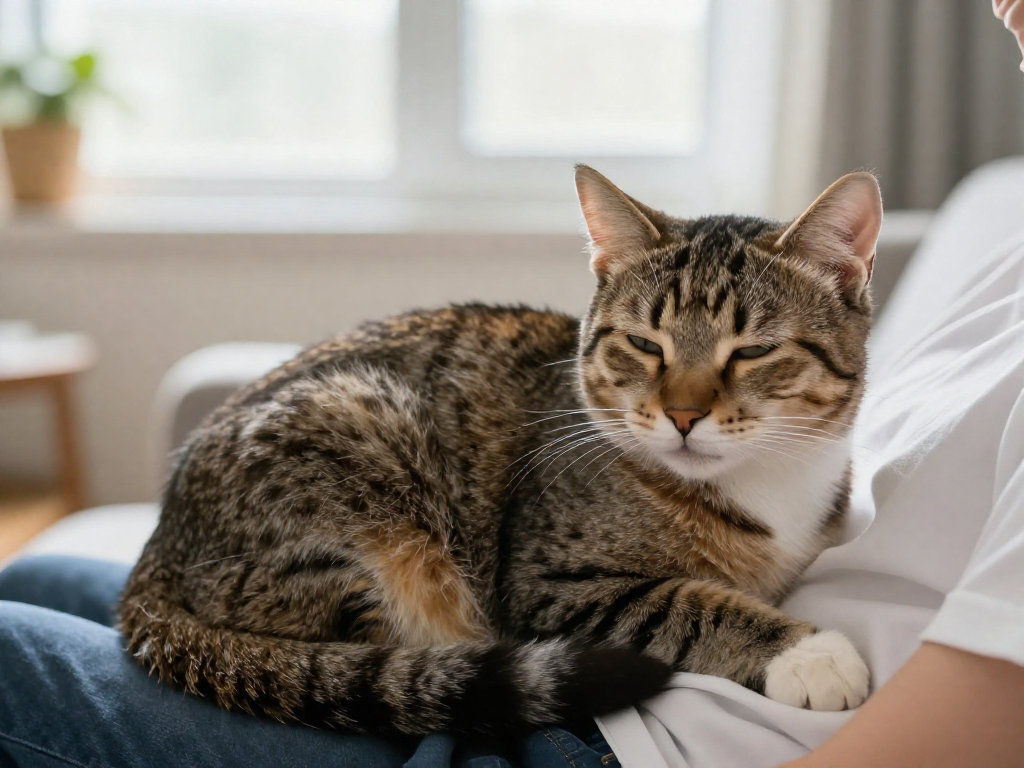
Most of the time, that gentle rumble means your cat is relaxed and content, like when she's curled in your lap or being gently petted. Purring often starts when kittens are just a few days old, helping them stay close to their mom while they nurse.
But here's the surprising part: happiness isn't the only reason. Cats also purr when they're hungry, nervous, hurt, or even healing. So a purr isn't always a "happy" sound — sometimes it's a cat's way of comforting itself or asking for help. We'll explain each of those reasons next.
How Does a Cat Actually Make That Rumbly Sound?
Here's the surprising part: a purr doesn't come from a cat's mouth or throat the way a meow does — it starts in the brain.
The cat's brain sends a steady stream of signals down to the muscles around the voice box (the larynx, the part that makes sound). Those signals tell the muscles to open and close very fast — around 25 to 150 times every second.
Each time the muscles flutter, they nudge the air moving through as the cat breathes. That tiny, super-fast vibration of air is the purr. And because cats can do it while breathing in and out, the rumble keeps going almost nonstop.
Think of it like a tiny motor idling inside your cat. The "engine" is just air, muscles, and brain signals working together — no batteries required!
The Surprising Reasons Cats Purr (Not Just Happiness!)
Here's the twist: a purring cat isn't always a happy cat. Scientists have found that cats also purr when they're scared, hurt, or even at the vet — likely as a way to comfort themselves, a bit like a person humming to stay calm.
Purring starts early, too. Kittens are born blind and deaf, but they can feel vibrations. Mother cats purr to help their kittens find them and snuggle close, and the kittens purr right back to say, "I'm here!"
Cats can even purr at us. Researchers at the University of Sussex described a special "solicitation purr" — a purr cats mix with a higher, almost cry-like sound to ask humans for food or attention. Clever pet owners often find this purr surprisingly hard to ignore.
And here's the most amazing idea of all: purring might help cats heal. A house cat's purr usually vibrates between about 25 and 150 hertz (a measure of how fast the vibrations happen). Some scientists think these gentle vibrations could soothe sore muscles and bones — though more research is still needed to know for sure.
Do Other Animals Purr Too?
Here's the wild part: your house cat isn't the only purring machine in the animal kingdom! Lots of smaller wild cats can purr too, including bobcats and even cheetahs (yes, the fastest land animal on Earth rumbles like a kitten).
But the really big, roaring cats? Not so much. Lions, tigers, leopards, and jaguars can let out a mighty roar, but they generally can't purr the same steady way smaller cats do. It seems to be a "you can roar or you can purr" trade-off.
And it's not just cats! A few other animals make purr-like sounds, including some rabbits, guinea pigs, and even raccoons. Nature loves a happy little rumble.
How to Tell What Your Cat's Purr Means
Here's a fun secret: a purr by itself doesn't tell the whole story. To decode it, watch your cat's whole body, like reading clues in a mystery.
Signs of a happy, content purr:
- Relaxed eyes and ears — half-closed eyes and ears pointing gently forward
- Slow blinks — often called "cat kisses," a sign your cat feels safe
- Kneading — pushing paws in and out against a soft surface, a leftover habit from kittenhood
- A soft, loose body — no stiffness, maybe a slow-swishing or still tail
When a purr might mean stress:
Cats sometimes purr to comfort themselves when they feel nervous, sick, or scared. Watch for a tense, crouched posture, flattened ears, wide eyes, or a tucked tail. If you see these signs, give your cat quiet space instead of cuddles.
If a purring cat also seems unwell or in pain, it's best to check with a veterinarian.
The Bottom Line on Cat Purrs
Here's the simplest answer: purring is a cat's all-purpose sound. Cats use it to show comfort, to bond with the humans and animals they trust, and even to ask for things like food or attention.
Most of the time, a purr means a happy, relaxed cat — but not always. Some cats purr when they're nervous or unwell, so it's smart to read the whole picture: ears, tail, eyes, and posture all add clues.
The best way to learn? Watch your own cat. Notice when the rumble starts, and you'll start to "speak purr" in no time.
See also
- Why Do Cats Knead With Their Paws?
- Why Do Cats Have Whiskers?
- Why Do Cats Sleep So Much?
- How Do Cats See in the Dark?
Related articles
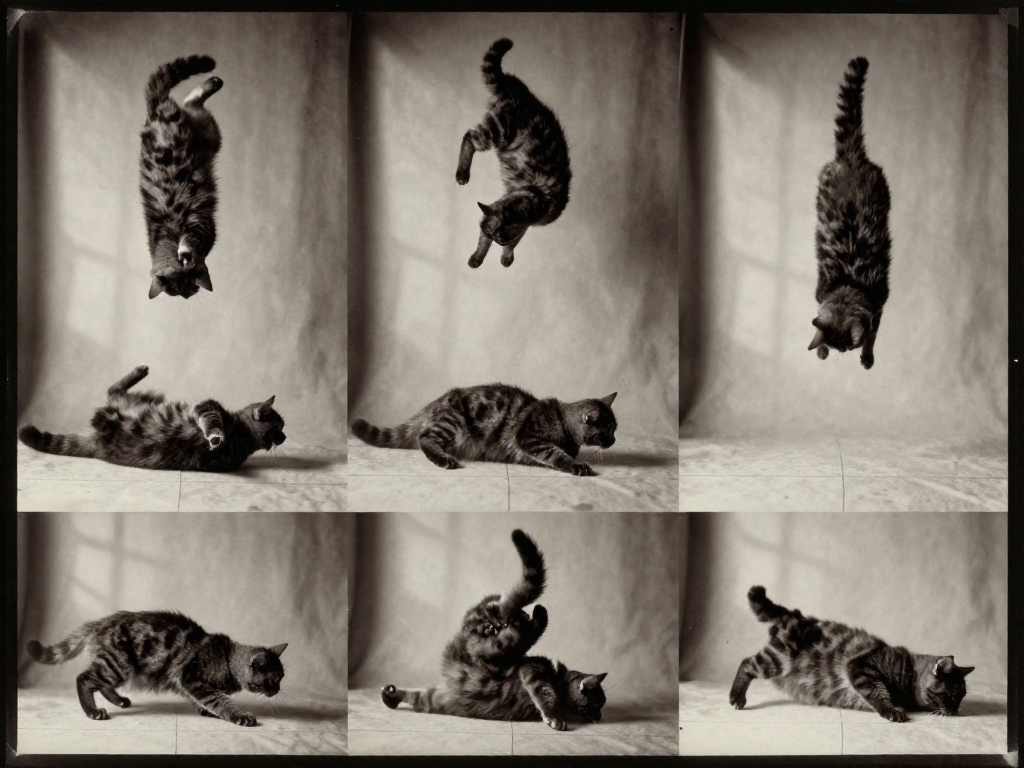
Why Do Cats Always Land on Their Feet? The Physics of Feline Righting
Discover the real reason cats land on their feet—it’s not the tail or magic. Learn the step-by-step righting reflex, the surprising physics behind the twist, and why higher falls can sometimes be safer.
Jul 28, 2026 · 4 min read

Why Do Fireflies Glow? And Other Summer Night Questions
Discover the simple science behind firefly bioluminescence, their coded flash language, and family-friendly tips for enjoying these magical insects without harm.
Jul 20, 2026 · 6 min read

Quick Reference: Common Animal Tracks to Spot in Your Backyard
What animal tracks might you find near your home, and how do you identify them?
Jul 20, 2026 · 4 min read