Do Fish Sleep? The Surprising Truth About How Fish Rest
Do fish sleep, and if so, how?
On this page
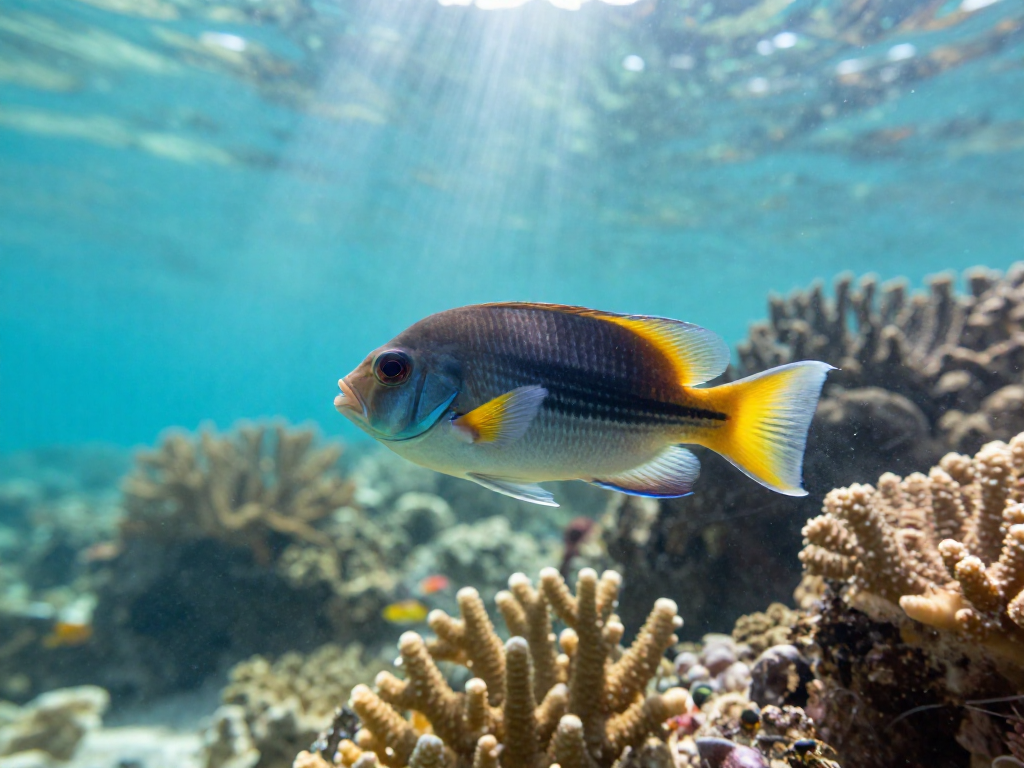
So, Do Fish Actually Sleep?
Here's the quick answer: yes, fish sleep—just not the way you do. And here's the part that surprises most people: a sleeping fish is often staring right at you, eyes wide open.
Scientists usually call it a "rest state" (a period of reduced activity rather than the deep, dreaming sleep humans experience). During this downtime, fish slow way down. They lower their metabolism (the rate at which the body burns energy), drift to a quiet spot, and become much less responsive to what's happening around them. Tap on the glass of a resting fish and it may take a moment to react—if it reacts at all.
So why the open eyes? Most fish simply have no eyelids, so there's nothing to close. They rest with their eyes exposed, which is exactly why it's so easy to swim right past a "sleeping" fish without realizing it.
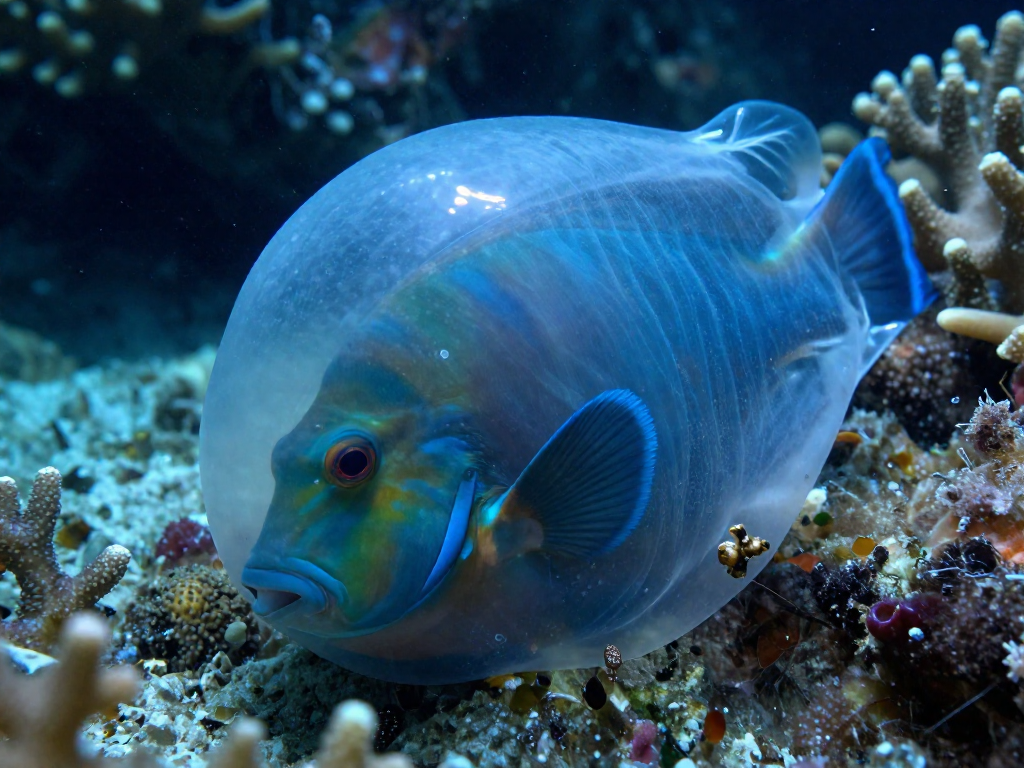
A few species take it even further—some wrasses burrow into the sand or wrap themselves in a slimy mucus "sleeping bag." We'll dig into those weird and wonderful strategies next.
What Does Fish "Sleep" Look Like?
No yawns, no eyelids (most fish don't have them), and definitely no comfy beds — yet fish absolutely power down. Their version of sleep just looks delightfully different from ours.
Picture a fish drifting almost motionless, hovering in one spot like it's frozen mid-thought. Others tuck themselves into a safe nook — under a rock ledge, inside a coral crevice, or wedged among plants — where a predator is less likely to spot them. Where they rest depends on the species: some hang suspended in mid-water, while bottom-dwellers settle right onto the seafloor or lakebed.
During these rest periods, a fish's body slows down. Its gill movements (the rhythmic "breathing" motions that pull oxygen from water) become slower and steadier, and overall activity drops.
But here's the part that keeps them alive: fish never fully zone out. Even at rest, they stay alert enough to bolt the instant danger appears. Think of it less like a deep human sleep and more like dozing with one eye open — ready to dart to safety in a heartbeat.
Why Don't Fish Close Their Eyes?
Here's the surprise: that fish staring back at you might be fast asleep with its eyes wide open. The reason is simple—most fish don't have eyelids at all.
On land, we blink to keep our eyes moist and clear of dust. Underwater, water does that job automatically, so fish never evolved the lids they don't need. No eyelids means no way to "close up shop" at bedtime.
There's one famous exception: many sharks have a nictitating membrane (a clear protective eyelid that slides across the eye), often used to shield their eyes while hunting.
So if open eyes don't signal a wide-awake fish, what does? When fish rest, they go still, slow their breathing, and tune out the world—eyes open the whole time.
The Wildest Fish Sleep Tricks
Some fish slip into a slime sleeping bag before bed—and that's just the start. Across the ocean, resting looks gloriously weird.
-
Parrotfish in a mucus cocoon. Many parrotfish ooze a clear bubble of mucus around themselves at night. Scientists think this "sleeping bag" masks their scent from predators and may block bloodsucking parasites called gnathiid isopods (tiny shrimp-like biters), according to research highlighted by the Natural History Museum.
-
Color-changing nappers. Certain reef fish shift to duller or blotchy nighttime patterns as they settle down, helping them blend into the shadows while they rest.
-
Tucked into the coral. Lots of small reef fish wedge themselves into coral crevices and rocky nooks after dark—a built-in bedroom that keeps them hidden from hungry hunters.
-
Sharks that never stop swimming. Some sharks must keep moving to push oxygen-rich water over their gills, so they can't lie down for a nap. Instead, researchers believe parts of their brain and spinal cord keep them cruising while they rest.
Same goal—safety and recovery—but every species has its own surprising bedtime hack.
Do All Fish Sleep the Same Way?
Not even close—fish rest on wildly different schedules. Just like people who work night shifts, some fish flip the script entirely.
- Night owls vs. early birds: Nocturnal fish, like many catfish, hunt after dark and rest during the day, while daytime-active species do the opposite.
- The barely-nappers: Some fish rest very little, staying alert to dodge predators in open water.
- Rest on the move: Fish that must keep swimming to breathe—such as many tuna and some sharks—are thought to power down parts of their brain while still cruising, never fully stopping.
- Lights-out signals: Aquarium fish often settle into a calm, restful state once the tank lights go dark, hovering quietly or tucking near plants and decorations.
The takeaway? "Sleep" looks different for nearly every fish.
The Takeaway for Curious Kids
Here's the surprising bottom line: fish do rest, but they don't sleep the way you do tucked into bed. Instead of drifting into deep, dreamy slumber, most fish slow down, hover quietly, and let their bodies recharge.
Keep these fun facts in your back pocket:
- Fish rest — they just don't sleep like people.
- Open eyes can still be sleeping eyes. Most fish have no eyelids to close.
- Nature has clever tricks to keep resting fish safe, like hiding in reefs or wrapping up in a bubble of slime.
Next time you visit an aquarium, look closely. Can you spot a fish taking its quiet, eyes-open rest?
See also
- Do sharks have to keep swimming to breathe?
- How do fish breathe underwater?
- Why do some fish glow in the dark?
- Surprising facts about parrotfish
- Do animals dream like humans do?
Related articles

Why Do Cats Always Land on Their Feet? The Physics of Feline Righting
Discover the real reason cats land on their feet—it’s not the tail or magic. Learn the step-by-step righting reflex, the surprising physics behind the twist, and why higher falls can sometimes be safer.
Jul 28, 2026 · 4 min read
Why Do Fireflies Glow? And Other Summer Night Questions
Discover the simple science behind firefly bioluminescence, their coded flash language, and family-friendly tips for enjoying these magical insects without harm.
Jul 20, 2026 · 6 min read

Quick Reference: Common Animal Tracks to Spot in Your Backyard
What animal tracks might you find near your home, and how do you identify them?
Jul 20, 2026 · 4 min read