Why Is the Sky Full of Birds But the Ocean Full of Fish? (And Other 'Where Do Animals Live' Questions)
Why do different animals live in different places?
On this page
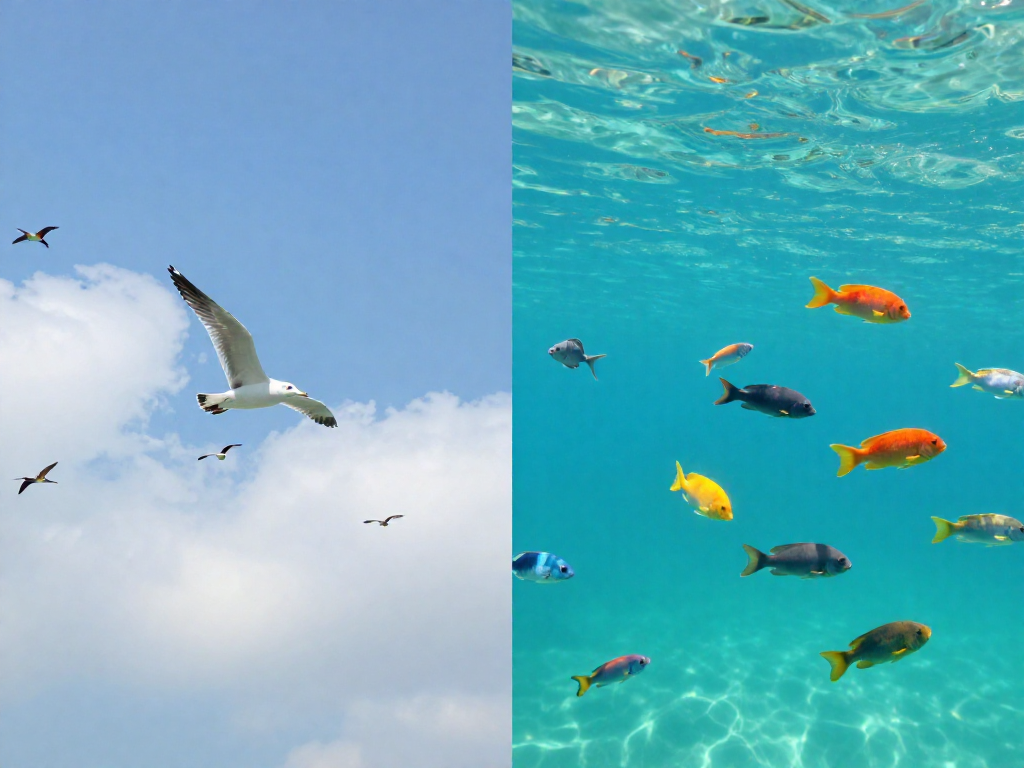
The Short Answer: Animals Live Where They Fit Best
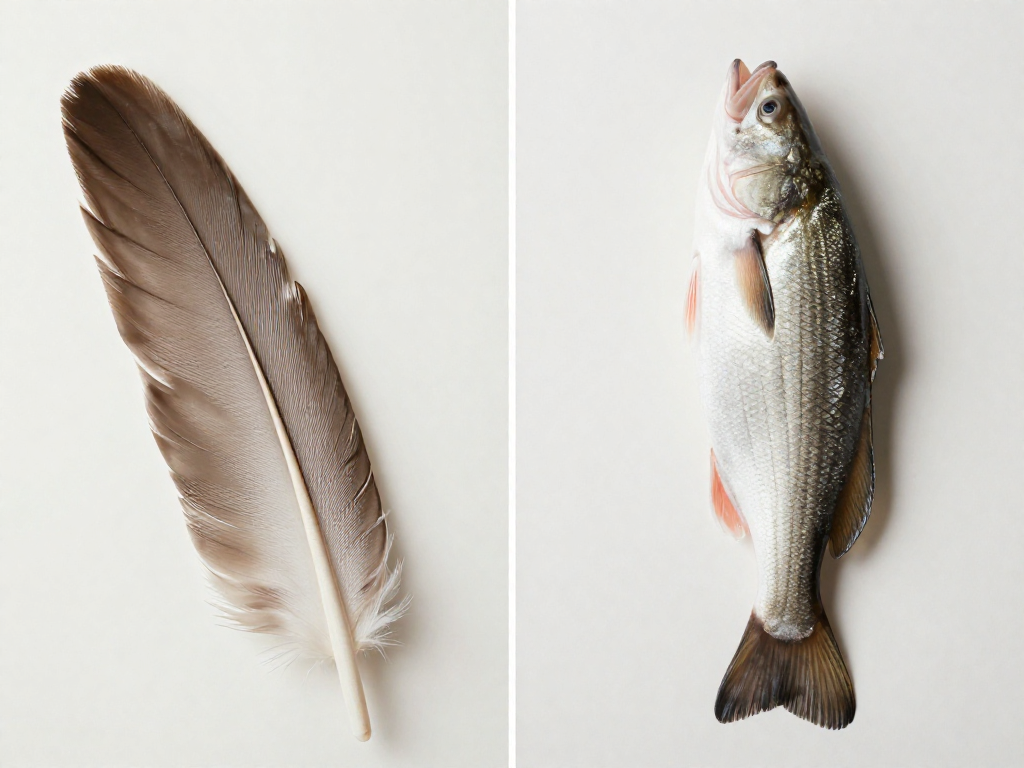
Here's the whole answer in one sentence: animals live wherever their body, their food, and their safety all line up in the same place. A penguin would be miserable in a desert, and a camel would sink like a stone in the sea—not because they're picky, but because each one is built for a very specific kind of home.
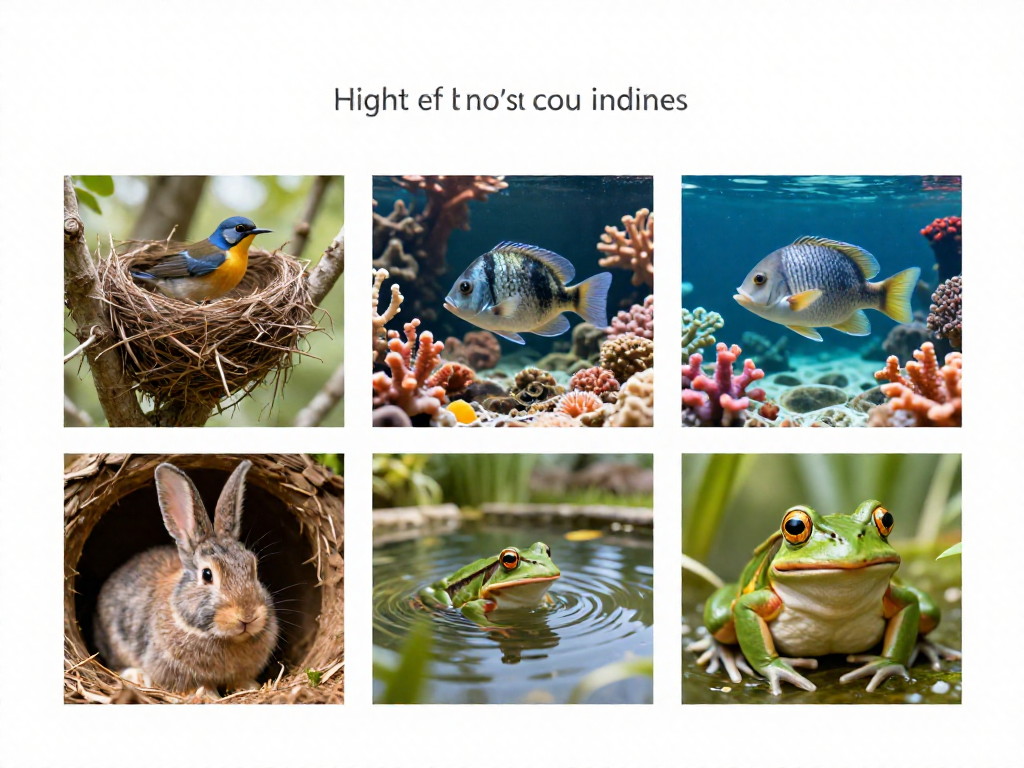
That home has a name: a habitat (the natural place where an animal finds everything it needs to survive). Think of it as an animal's home address, and it comes with four must-haves:
- Food it can actually catch or find
- Water it can drink or pull from its diet
- Shelter to hide, rest, and raise young
- Space to roam, hunt, or claim a territory
Change any one of those, and the animal usually can't stay. That's why you don't find the same creatures everywhere on Earth.
So why does the sky belong to birds while the ocean teems with fish? Because flying and swimming demand completely different superpowers—and as we'll see next, each habitat hands out its own rulebook for survival.
Why the Sky Is Full of Birds (and Bugs and Bats)

Here's the catch about flying: the air has no floor to stand on, so every animal up there has to fight gravity every single second. That makes the sky one of the hardest places to live—and the ones who pull it off come with serious built-in gear.
Flight demands three things: a lightweight body, wings that generate lift, and a ton of energy to keep them flapping. Birds nail all three. Many have hollow bones (bones with air-filled gaps instead of solid marrow) that keep them light without making them fragile, plus feathers shaped to push against the air and create lift. Their hearts and lungs are turbocharged, too—a flying hummingbird's heart can beat over 1,000 times a minute to fuel the effort.
But the sky isn't a birds-only club. Insects got there first, taking to the air hundreds of millions of years before birds existed. And bats are the only mammals that truly fly, steering through the dark with wings made of stretched skin between their finger bones.
Why bother with all that work? Up high, you can spot food from far away and slip away from ground-bound predators in a flash. The trade-off: flying burns enormous energy, so almost no flier stays airborne forever. Sooner or later, even the best of them have to come down to rest, eat, and raise their young.
Why the Ocean Is Full of Fish
Here's something wild: a fish can pull oxygen out of water you'd drown in. That single superpower is the biggest reason the ocean belongs to fish.
The secret is gills (feathery organs that filter dissolved oxygen straight from the water). While you and I have to keep coming up for air, a fish never makes the trip — it just keeps breathing as it cruises along. The ocean holds plenty of oxygen dissolved in the water, and gills are built to grab it.
Getting around underwater is the next challenge, and fish are shaped to win at it. Their streamlined (smooth, tapered, drag-cutting) bodies and flexible fins let them glide, turn, and dart with almost no wasted effort. Compare that to how hard it is for you to run through a swimming pool.
Then there's the food. The ocean isn't just big — it's the largest living space on Earth, covering about 71% of the planet's surface and reaching depths of more than 36,000 feet in the Mariana Trench. There's something to eat at nearly every level, from sunlit shallows to the pitch-black deep.
One more perk: water supports a fish's weight, like a built-in float. So instead of growing heavy bones and strong legs to fight gravity, fish can stay light and spend that energy swimming. Built for water, top to fin.
Bodies Are Built for Their Homes (Adaptation, Simply)
Here's a wild thought: a goldfish would drown in air, and a robin would drown in water. Same problem, opposite homes—and it all comes down to adaptation (the slow process of animals changing over many generations to fit where they live).
The big idea is simple: an animal's body parts match its address.
- Gills pull oxygen out of water, so fish breathe underwater.
- Wings push against air, so birds (and bugs and bats) can fly.
- Legs carry weight across solid ground, so land animals can walk, run, and climb.
Take a fish out of water and its gills collapse and dry out—it can't grab oxygen from air. Push a bird underwater and its lungs simply can't pull oxygen from water. Neither is "weak." Each is just built for a different home.
This matching didn't happen overnight. Over thousands of generations, the animals whose bodies fit their surroundings a little better survived and had more babies, slowly shaping the creatures we see today.
You can spot these built-in tools everywhere once you look:
- Webbed feet on ducks and otters work like paddles for swimming.
- Thick fur keeps Arctic foxes warm in freezing cold.
- Camouflage lets a leaf-green katydid hide in plain sight.
The home shapes the body—every single time.
More 'Where Do Animals Live?' Questions Kids Ask
Got more "but why?" questions? Here are quick answers to the ones we hear most.
Why don't polar bears live in the desert? Polar bears are basically walking winter coats. Under that white fur is a layer of fat (blubber) up to 4.5 inches thick, and even their skin is black to soak up sunlight. All that insulation that keeps them toasty at –40°F would cook them in desert heat. They're built for cold, so cold is where they thrive.
Why do some animals live in two places, like frogs? Frogs are amphibians, a word that literally means "two lives." Most start as water-breathing tadpoles with gills, then grow lungs and legs to hop onto land. Living in both worlds lets them lay eggs in safe water and hunt bugs on shore.
Why do animals migrate instead of staying put? Often it's about food and weather. Arctic terns chase endless summer, flying roughly 44,000 miles a year between the Arctic and Antarctica so they always have light and food. Moving beats starving or freezing.
Why can't my goldfish live in the backyard pond all winter? Some pond fish can, but it depends on depth and your climate, and tropical goldfish can't handle freezing water. Before moving any pet outdoors, ask a vet or aquarium expert—getting it wrong can harm the fish.
Try This at Home: Spotting Habitats Together
Want to turn "where do animals live?" into a game? Grab a window or backyard and go on a five-minute habitat hunt.
Your Habitat Hunt Checklist
Look for one animal (or sign of one) in each "home":
- In the air: a bird, bee, or fly
- In a tree or bush: a squirrel, spider, or nest
- On the ground: an ant trail, worm, or beetle
- In or near water: a duck, frog, or fish (a puddle counts!)
Match-the-Home Game
Name an animal and have your kids guess its habitat — then flip it. Say "the ocean" and see how many ocean animals they can list in 30 seconds.
Questions That Spark Curiosity
- "What does this animal need that it finds here?"
- "Could it live somewhere else? Why or why not?"
- "How does its body fit its home?"
No animals spotted? That's a clue too — ask why a habitat might be empty today.
FAQ
Why do birds live in the sky and fish live in the ocean?
Each animal's body is built for one main environment. Birds have hollow, lightweight bones, powerful chest muscles, and feathers that let them push against air and fly, so the open sky and treetops are where they find food, escape predators, and nest. Fish have gills that pull oxygen straight out of water, plus fins and streamlined bodies that make swimming efficient, so water is where they breathe and thrive. Over millions of years, animals adapted to the place where they could best survive and raise young — a process biologists call evolution by natural selection. So it's less that birds 'chose' the sky and more that the sky-and-air lifestyle shaped birds, while water shaped fish.
What is a habitat in simple words?
A habitat is simply the natural home where an animal finds everything it needs to live: food, water, shelter, and a safe place to raise babies. A pond is a habitat for frogs, a coral reef is a habitat for clownfish, and a forest is a habitat for owls. Think of it like an address plus a grocery store plus a bedroom all in one. When a habitat changes too much — say a forest is cut down — the animals that depend on it have to move or struggle to survive, which is why protecting habitats matters so much for wildlife.
Can a fish live out of water or a bird live underwater?
Mostly no — but nature loves exceptions. Most fish suffocate out of water because their gills only work when wet, and most birds would drown if they tried to live underwater. However, a few amazing animals bend the rules: mudskippers (a fish) can crawl on mud and breathe through their skin and mouth lining for short stretches, and lungfish can survive dry spells by gulping air. On the bird side, penguins 'fly' underwater using their wings as flippers and can hold their breath for several minutes, while diving birds like cormorants chase fish below the surface. They still surface to breathe air, though — no bird has true underwater gills. (Please never test this on a real animal; observing them in the wild or at an accredited aquarium or zoo is the safe way to learn.)
Why don't all animals live in the same place?
If every animal crowded into one spot, there wouldn't be enough food, water, or shelter to go around — so animals spread out and specialize. Different bodies fit different places: a camel's water-saving body suits the desert, a polar bear's thick fur and fat suit the Arctic, and a monkey's grippy hands and tail suit the rainforest canopy. By living in different habitats and eating different foods, animals avoid competing for the exact same resources, a balance scientists call an ecological niche (the specific 'job' and place a species fills in nature). This spreading-out is one big reason Earth has such incredible variety of life.
Why do some animals like frogs live in two places?
Animals that live in two worlds are called amphibians (from Greek words meaning 'both lives'), and frogs are the classic example. Most frogs start life as water-breathing tadpoles with gills and tails, then transform into air-breathing adults with legs that can hop on land — a dramatic body makeover called metamorphosis. Even as adults, many frogs keep their skin moist and return to water to lay eggs, because their thin skin can dry out and they breathe partly through it. Living in both places gives them the best of two habitats: safe, food-rich water for raising young and open land for hunting insects. Salamanders and newts pull off this double life too.
See also
- How do fish breathe underwater?
- How do birds fly? The science for kids
- Animal migration explained simply
- Why do polar bears live where it's cold?
Related articles

Why Do Cats Always Land on Their Feet? The Physics of Feline Righting
Discover the real reason cats land on their feet—it’s not the tail or magic. Learn the step-by-step righting reflex, the surprising physics behind the twist, and why higher falls can sometimes be safer.
Jul 28, 2026 · 4 min read
Why Do Fireflies Glow? And Other Summer Night Questions
Discover the simple science behind firefly bioluminescence, their coded flash language, and family-friendly tips for enjoying these magical insects without harm.
Jul 20, 2026 · 6 min read
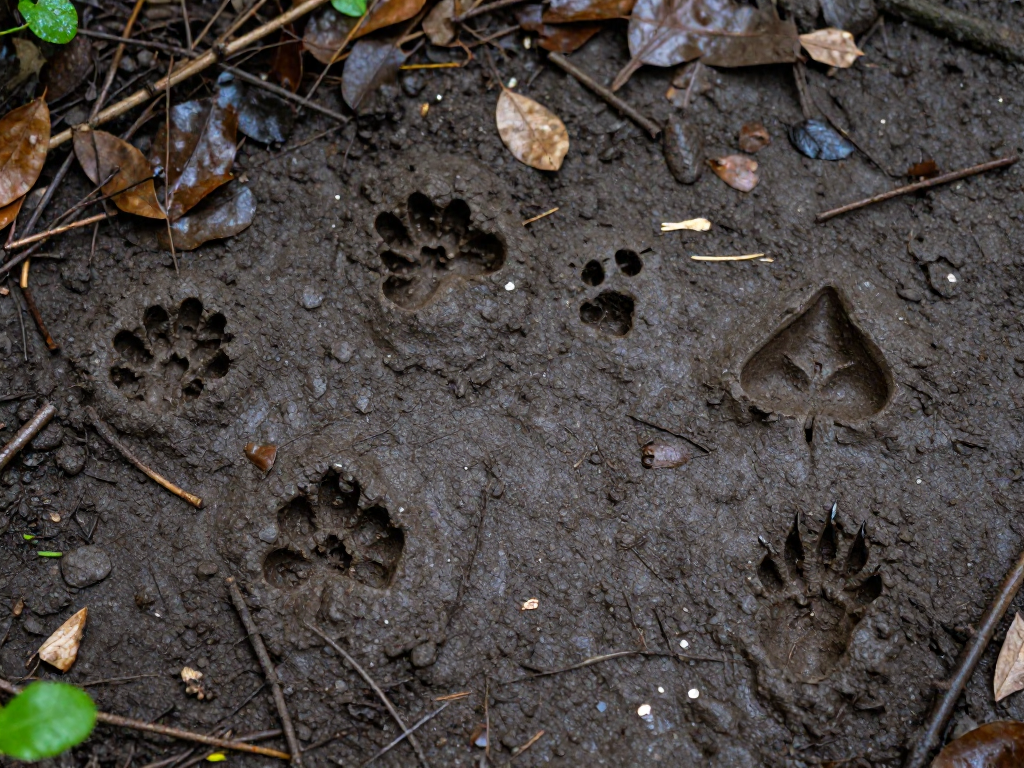
Quick Reference: Common Animal Tracks to Spot in Your Backyard
What animal tracks might you find near your home, and how do you identify them?
Jul 20, 2026 · 4 min read