When You Find Injured or Orphaned Wildlife: What to Do (and Not Do)
What should I do if I find an injured or baby wild animal?
On this page
First: Stop and Observe (Most Babies Aren't Actually Orphaned)
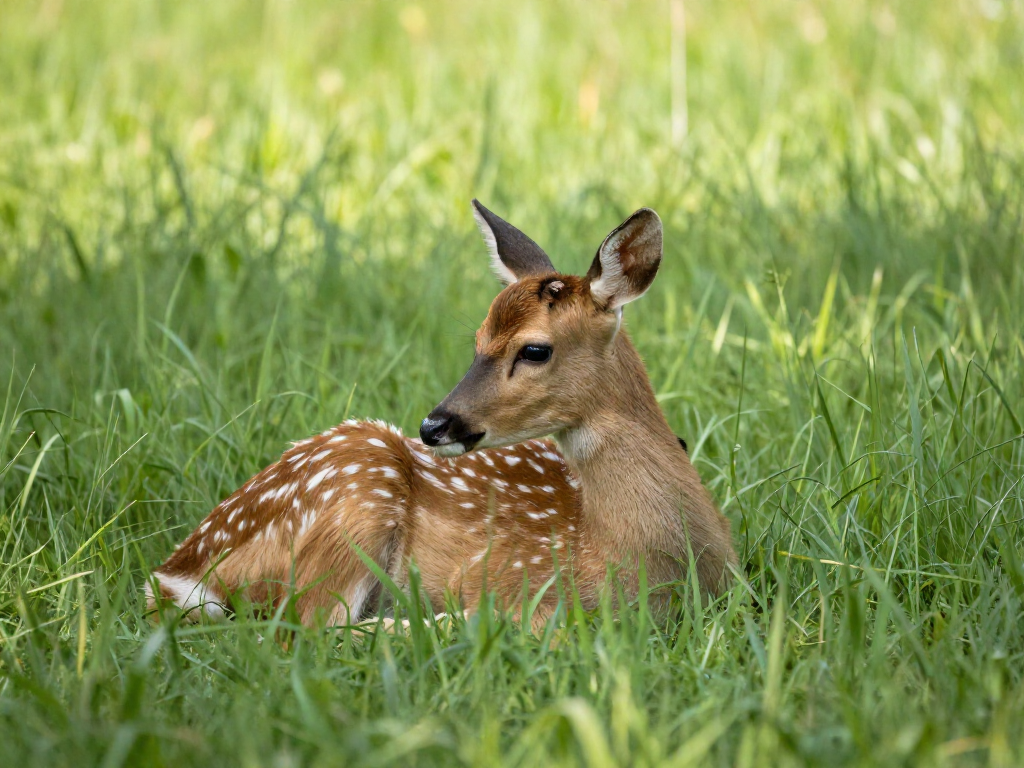
That fawn curled up alone in the grass? It probably isn't lost—it's exactly where mom wants it. Many wildlife rescues each spring turn out to be perfectly healthy babies "kidnapped" by people trying to help.
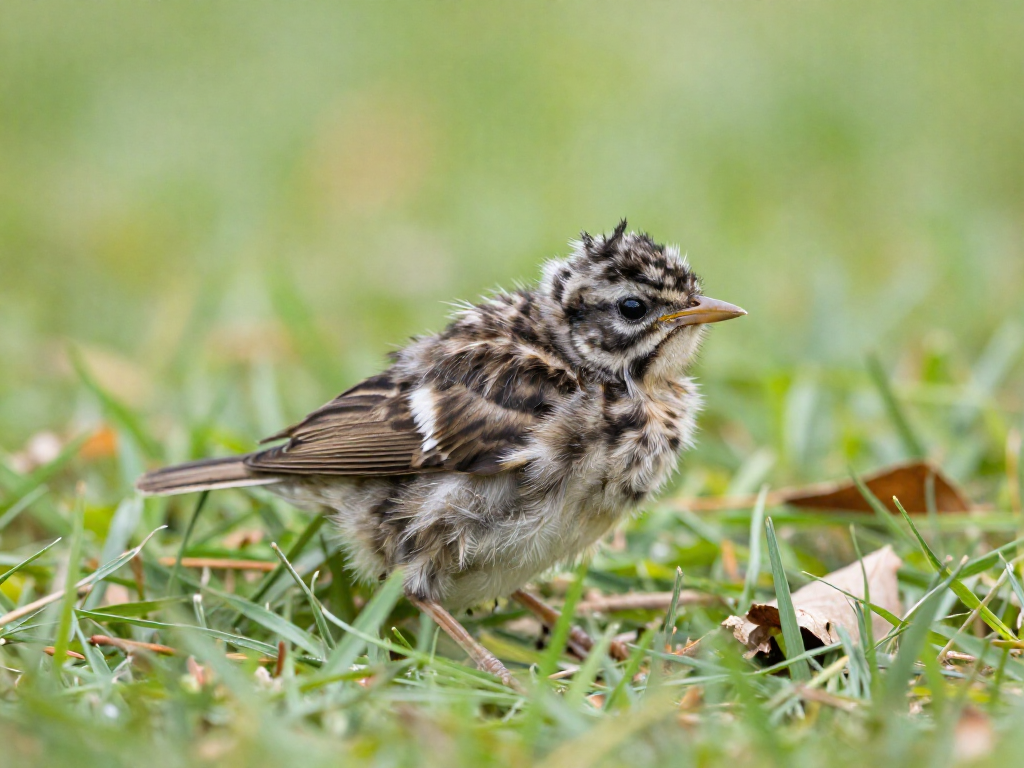
Here's the surprising truth: leaving babies alone is good parenting in much of the animal world. A mother deer parks her fawn in tall grass and wanders off to feed, often returning only a few times a day. Her absence is the point—an adult deer's scent attracts predators, while a still, nearly odorless fawn stays hidden. Cottontail rabbits do something similar, visiting the nest just twice a day (around dawn and dusk) to nurse for a few minutes. And many "stranded" baby birds are actually fledglings—youngsters that have left the nest on purpose, hopping on the ground and learning to fly while their parents feed them nearby.
So before you act, watch. Step back at least 30 feet (or inside, if you have curious pets or kids) and observe for a few hours. Wildlife agencies generally recommend waiting and watching before assuming a baby is orphaned, because the parent usually won't return while a human is hovering close.
Look for signs the parent is still on duty:
- The baby is quiet, calm, and not visibly injured
- A fawn or bunny is sitting still in a tucked, hidden spot
- A feathered fledgling is hopping, perching, or chirping for food
Most importantly, resist the urge to "just check" by touching or moving it. Handling can stress the animal, and your scent or presence may keep wary parents away. When in doubt, give it time—then call a licensed wildlife rehabilitator before stepping in.
How to Tell If an Animal Truly Needs Help
Here's the surprising part: most "abandoned" babies are fine, but a few clear signals mean an animal genuinely needs rescue—and knowing them takes the guesswork out of a stressful moment.
Wildlife rehabilitators and groups like the Humane Society and the National Wildlife Health Center agree on a short list of red flags. If you see any of these, the animal likely needs professional help:
- Visible injury or bleeding: a broken or dangling limb, an open wound, or obvious blood.
- It was caught by a cat or dog. Even a tiny scratch or bite is an emergency. Cat saliva carries bacteria that can be fatal to small animals within a day or two, so this counts even if you see no wound.
- A dead parent is nearby, or you watched the parent die.
- The animal is cold, weak, or limp. A healthy baby feels warm and squirms; one that's cool to the touch and barely moving is in trouble.
- It's covered in insects (flies, fly eggs that look like tiny grains of rice, ants, or ticks).
- Nonstop crying or shivering for hours, not just a few minutes.
- A featherless or eyes-closed baby bird out of the nest. Fully feathered birds hopping on the ground are usually fledglings (young birds learning to fly) and should be left alone—but a naked, eyes-shut nestling needs to go back in the nest or get help.
Quick family checklist—help is needed if you can answer "yes" to any:
- Is it bleeding, broken, or wounded?
- Did a cat or dog get it?
- Is the parent dead or gone for many hours?
- Is it cold, weak, or crawling with bugs?
If none of these apply, keep watching from a distance. If even one does, it's time to call an expert—covered next.
The Myth: "If You Touch It, the Mother Will Reject It"
Here's a relief for anyone who's ever panicked after picking up a baby bird: the famous warning is mostly false. Most mammals and birds have a poor-to-average sense of smell and will not abandon their young just because a human touched them. Wildlife experts like the Cornell Lab of Ornithology and the Humane Society have debunked this one for years.
So why do rehabbers still say "don't handle wildlife"? The real risks are different—and more serious:
- Stress. Being grabbed by a giant predator (that's you) can shock a small animal, sometimes fatally.
- Disease. Wild animals can carry illnesses, and human contact can expose them to ours.
- Doing more harm than good. Removing a healthy baby that didn't actually need rescuing leaves it worse off.
The exception: A featherless or fuzzy baby bird (a nestling) that's fallen out can be gently scooped up and placed back in its nest. The parents will almost always return.
Why does busting this myth matter? Because the "she'll reject it" fear causes two bad outcomes—frozen inaction and unnecessary kidnapping. Knowing the truth helps you make the calm, correct call.
What to Do (Step by Step)
Once you're confident an animal truly needs help (see the checklist above), the single most important thing to know is this: your job is to contain and call, not to rescue and raise. Even well-meaning care can do more harm than good. Here's how to handle it safely.
1. Clear the area. Keep people and pets well back, and dim the noise. A frightened wild animal experiences crowds, barking dogs, and chatter as predators closing in — and that stress alone can be deadly. Calm and quiet are part of the treatment.
2. Protect yourself first. Wear thick gloves and watch out for teeth, claws, and beaks. Even a tiny, "harmless" songbird or baby raccoon can bite or scratch hard enough to break skin, and some species can carry diseases (like rabies in mammals). If an animal seems dangerous — an adult raptor, a fox, a deer, a venomous snake — don't touch it at all. Call the experts and let them handle capture.
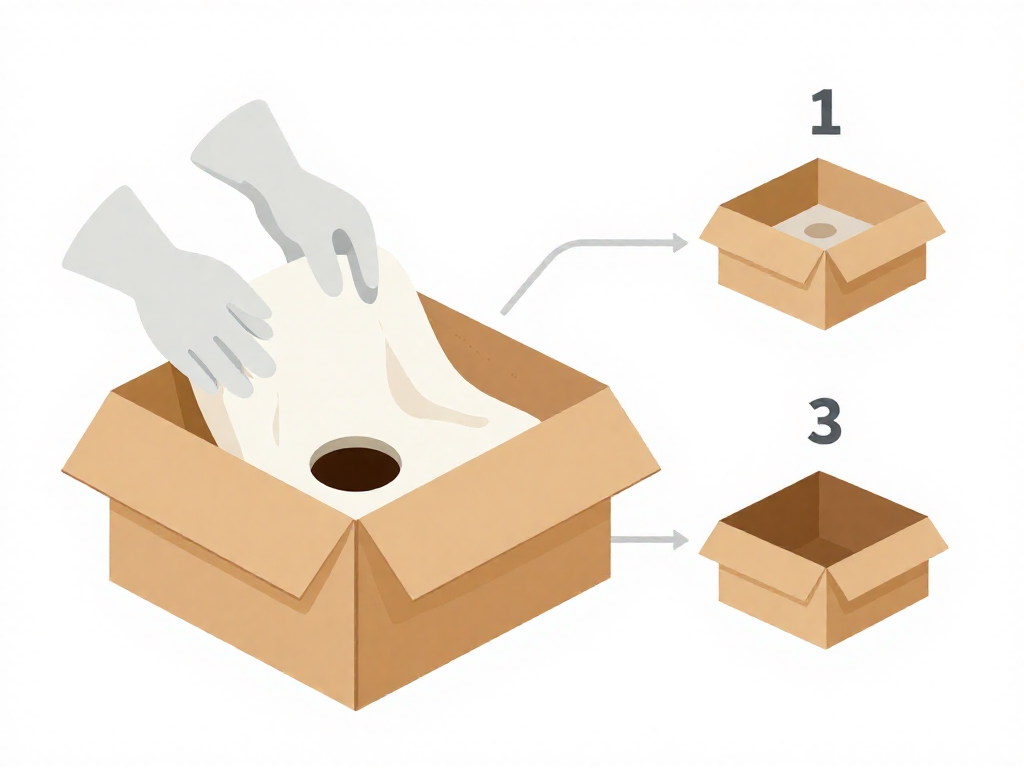
3. Contain it gently. Line a cardboard box with a soft towel, punch a few air holes in the lid, and use a towel to scoop the animal in. Then place the box somewhere warm, dark, and quiet — away from the TV, kids, and pets. Darkness genuinely calms wild animals because it tells their nervous system the threat has passed.
4. Do NOT offer food or water. This is the step people get wrong most often. The wrong diet, or liquid given to a cold or injured animal, can cause choking, aspiration, or fatal digestive problems. Feeding is a job for trained rehabbers.
5. Call a licensed wildlife rehabilitator right away. These are state-permitted specialists trained to treat and release wild animals.
To find one fast:
- Search your state wildlife or fish-and-game agency website.
- Use Animal Help Now (ahnow.org), which maps nearby wildlife responders by location.
- Call a local veterinarian, nature center, or humane society for a referral.
The sooner a professional takes over, the better that animal's odds of going back to the wild.
What NOT to Do (Common Well-Meaning Mistakes)
The kindest-seeming actions are often the most harmful. Wild animals have needs no living room can meet, and "rescuing" the wrong way can quietly doom the very creature you're trying to save. Before you do anything, scan this list of the mistakes experts see most.
- Don't try to raise or keep it. In most US states, possessing native wildlife without a permit is illegal—and home-raised animals usually die from improper diet, stress, or imprinting (becoming so used to humans they can't survive in the wild). Licensed rehabilitators exist for exactly this reason.
- Don't feed it milk, bread, or human food. Cow's milk causes deadly diarrhea in fawns, baby rabbits, and squirrels, and the wrong food can do more damage than going hungry for the short wait until help arrives.
- Don't treat it like a pet or let kids handle it. Wild animals can carry diseases and parasites, and handling adds stress that can be fatal on its own. Admire from a distance.
- Don't drive it far away and release it. Dumping an animal in unfamiliar territory strands it without food, shelter, or a home range—and may spread disease to new areas.
- Don't delay calling a professional. Hours matter. A quick call to a wildlife rehabilitator or your state wildlife agency gives the animal its best shot.
When in doubt, observe, contain it safely if instructed, and let the experts take it from there.
Special Cases: Birds, Bunnies, Fawns, and 'Dangerous' Animals
That baby bird hopping on the ground? It's probably exactly where it's supposed to be. A few species trip up even kindhearted rescuers, so here's how to read the most common situations.
Baby birds. The key is feathers. A nestling (mostly bare or fuzzy, eyes maybe still closed) belongs in the nest — if you can find it nearby, gently put the bird back. A fledgling (fully feathered, hopping and fluttering) is supposed to be on the ground. This is a normal stage where parents still feed it for days. Just keep pets and kids away and watch from a distance.
Rabbits. A nest of baby bunnies sitting alone is almost never abandoned. Mother cottontails visit only a couple of times a day, usually at dawn and dusk, to avoid leading predators to the nest. To check, lay a few crisscrossed twigs or a ring of flour over the nest; if it's disturbed by the next morning, mom is on duty. Bunnies the size of a tennis ball with open eyes and erect ears are already independent.
Deer fawns. A fawn curled up, still, and silent is doing its job. Does leave fawns hidden for hours while they forage, and the fawn's lack of scent helps it stay invisible to predators. Don't touch it — just leave the area.
Never handle these. Bats, raccoons, foxes, and skunks can carry rabies. Don't touch them, even babies. Keep people and pets back and call a licensed wildlife rehabilitator or animal control instead.
FAQ
Will the mother reject a baby animal if I touch it?
Almost certainly not—the idea that a mother will abandon her baby because it "smells like humans" is a myth. Most mammals identify their young by sound and individual recognition, not your scent, and many birds have a poor sense of smell anyway. That said, the best move is still to leave the animal alone and minimize contact: handling stresses wild babies and the parent often won't return while you're standing nearby. If you've already touched it, simply put it back where you found it and step well away so the parent can come back.
How long should I wait before helping a baby animal?
Often longer than you'd think—many "orphans" aren't orphans at all. Mother rabbits, for example, visit the nest only a couple of times a day (usually at dawn and dusk) to avoid attracting predators, and fawns are routinely left alone for hours while the doe feeds nearby. A good rule is to watch from a distance for several hours (try laying a light grid of twigs or string over a rabbit nest to see if the parent disturbs it overnight). Step in sooner if the animal is visibly injured, bleeding, cold, covered in flies or fly eggs, or you know the parent is dead—then contact a licensed wildlife rehabilitator right away.
Is it illegal to keep wild animals I find?
In most cases, yes. In the U.S., it's generally illegal to keep wildlife without proper permits, and migratory birds are specifically protected under the federal Migratory Bird Treaty Act—even possessing a single feather or nest can be unlawful. States add their own rules, and most prohibit keeping native mammals, reptiles, and birds as pets. Beyond the legal risk, raising wild animals without training often harms them: they can develop poor health, lose survival skills, or become unreleasable. The right step is to call a licensed wildlife rehabilitator or your state fish and wildlife agency.
What can I feed an injured wild animal until I get help?
The safest answer is: nothing. Well-meaning feeding is one of the most common ways rescued animals get hurt—the wrong food, cow's milk, or food given to a cold or stressed animal can cause fatal digestive problems, aspiration pneumonia, or dangerous deficiencies. Different species need very specific diets and feeding techniques that experts are trained to provide. Instead, keep the animal in a quiet, dark, warm, covered box away from people and pets, don't offer food or water, and contact a licensed wildlife rehabilitator for instructions as soon as possible.
How do I find a wildlife rehabilitator near me?
Start with your state's fish and wildlife (or natural resources) agency, which usually keeps an online directory of licensed rehabilitators by county. National search tools can also help—organizations like the Animal Help Now service (ahnow.org) and the National Wildlife Rehabilitators Association (nwrahome.org) let you look up nearby licensed help. A local veterinarian, nature center, Audubon chapter, or animal control office can often point you to someone too. When you call, describe the species, the animal's condition, and where you found it, and ask exactly how to contain and transport it safely.
What should I do if my pet caught a wild animal?
Treat it as an emergency, even if the animal looks fine. Cat and dog bites and scratches introduce bacteria that can quickly become fatal infections in wildlife, and the damage is often invisible from the outside, so the animal almost always needs professional care. Safely confine your pet, then gently place the wild animal in a ventilated, covered box in a warm, quiet spot away from people and other animals—wear gloves and avoid direct handling. Don't offer food or water, and contact a licensed wildlife rehabilitator right away. As a bonus, keeping cats indoors or supervised is one of the simplest ways to protect local wildlife from these injuries in the first place.
See also
- Why do baby deer have spots?
- How do birds know when to leave the nest?
- Do animals get sick like humans do?
- Why are bats important (and why you shouldn't touch them)
Related articles
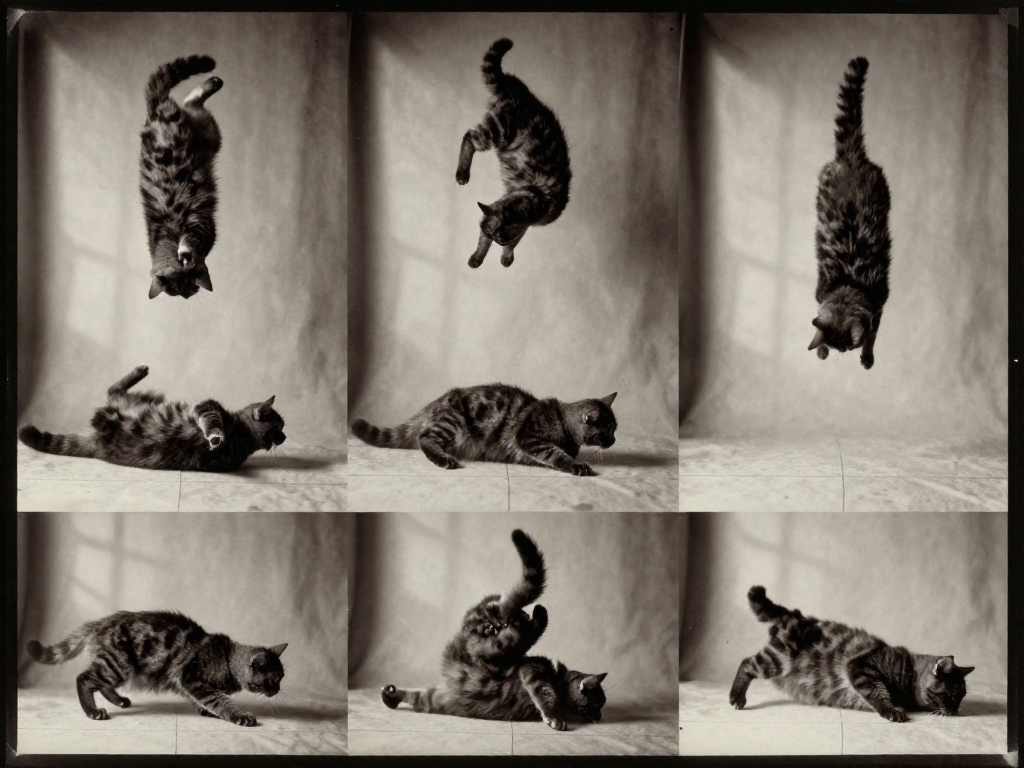
Why Do Cats Always Land on Their Feet? The Physics of Feline Righting
Discover the real reason cats land on their feet—it’s not the tail or magic. Learn the step-by-step righting reflex, the surprising physics behind the twist, and why higher falls can sometimes be safer.
Jul 28, 2026 · 4 min read

Why Do Fireflies Glow? And Other Summer Night Questions
Discover the simple science behind firefly bioluminescence, their coded flash language, and family-friendly tips for enjoying these magical insects without harm.
Jul 20, 2026 · 6 min read
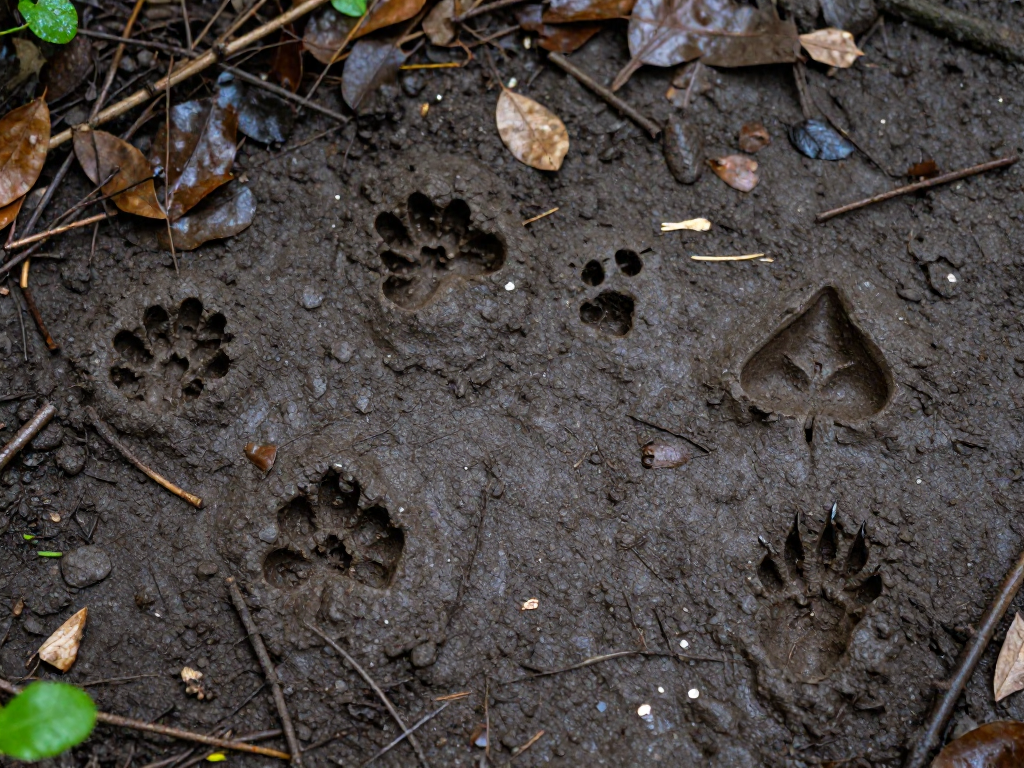
Quick Reference: Common Animal Tracks to Spot in Your Backyard
What animal tracks might you find near your home, and how do you identify them?
Jul 20, 2026 · 4 min read