Why Do Dogs Sniff Everything?
Why are dogs always sniffing the ground and each other?
On this page
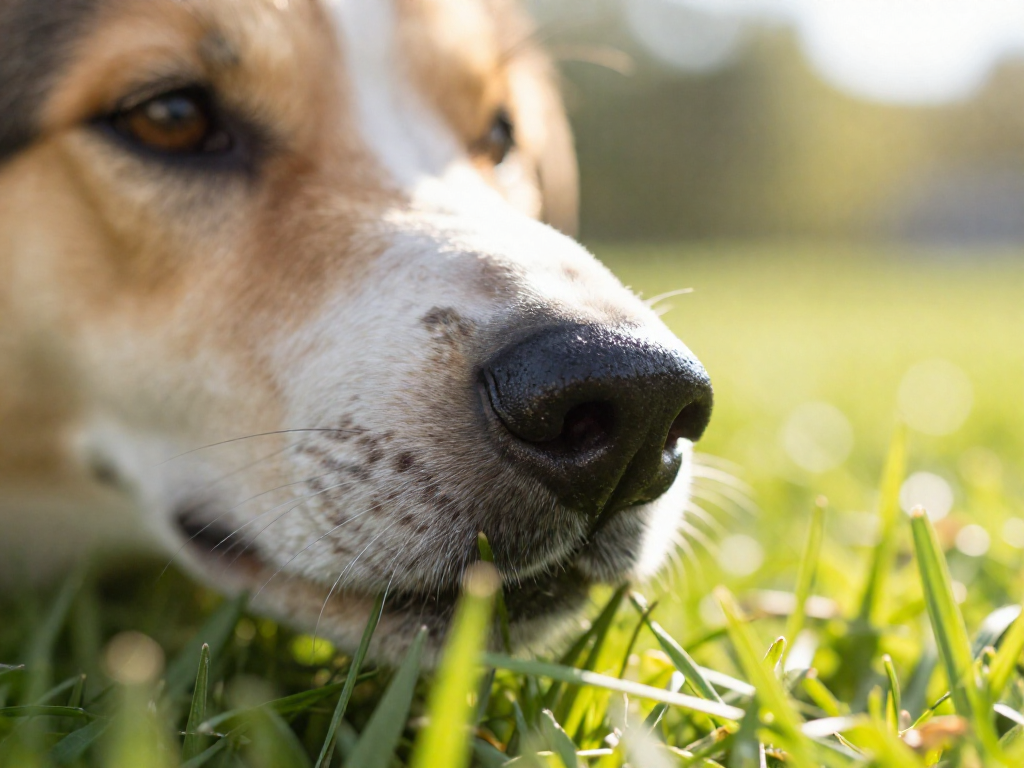
The Short Answer: Dogs "See" the World With Their Noses
Imagine if you could walk into a room and instantly "read" who was there, what they ate for lunch, and how they were feeling—just by breathing in. That's a normal Tuesday for your dog.
For dogs, sniffing is the main way they gather information about the world, the same way we rely on our eyes. Their nose isn't just a sense—it's their superpower and primary sense, with up to 300 million scent receptors compared to our roughly 6 million (Phillips Animal Hospital; AKC).
So when your dog sniffs the ground, a fire hydrant, or another dog, every sniff is telling a little story: who was here, what they're like, when they passed by, and how they're doing. It's less "gross habit" and more "checking the neighborhood news."
Just How Powerful Is a Dog's Nose?
Imagine smelling a single teaspoon of sugar stirred into an Olympic-sized swimming pool. For your dog, that's just a regular Tuesday. A dog's sense of smell is so sharp that scientists estimate it can be tens of thousands of times more sensitive than ours.
Here's why their noses are such superpowers:
- Way more scent receptors. Dogs have up to 300 million scent receptors (the tiny smell-detecting cells inside the nose), compared to about 6 million in people.
- A bigger "smell brain." The part of a dog's brain that processes odors is roughly 40 times larger than ours, proportionally — so they don't just smell more, they understand smells better.
- Those famous wet noses. A dog's damp nose helps trap and dissolve scent molecules from the air, making faint smells easier to pick up.
So when your pup buries its nose in the grass, it isn't being weird. It's reading a rich, invisible story you simply can't smell. Up next, let's look at what all that sniffing actually tells them.
What Dogs Actually Learn From Sniffing the Ground
When your dog stops to sniff a patch of grass, they're basically reading the morning newspaper. That single spot can tell them which dog, cat, squirrel, or rabbit walked by — and roughly how long ago, because older smells are fainter than fresh ones.
A trail of scent reveals even more. Dogs can often follow the direction an animal traveled, since each footstep leaves a slightly stronger or weaker mark. Researchers studying tracking dogs have shown they can figure out which way a person walked from just a few steps.
Then there's "pee-mail." When dogs sniff (and leave) urine marks, they're trading messages — clues about who's nearby, their size, and whether they're a new neighbor.
Here's the best part for busy families: sniffing is real mental exercise. A good "sniffari" — a slow walk where your dog leads with their nose — can tire them out as much as a run, in a calm, happy way.
Why Do Dogs Sniff Each Other (and People)?
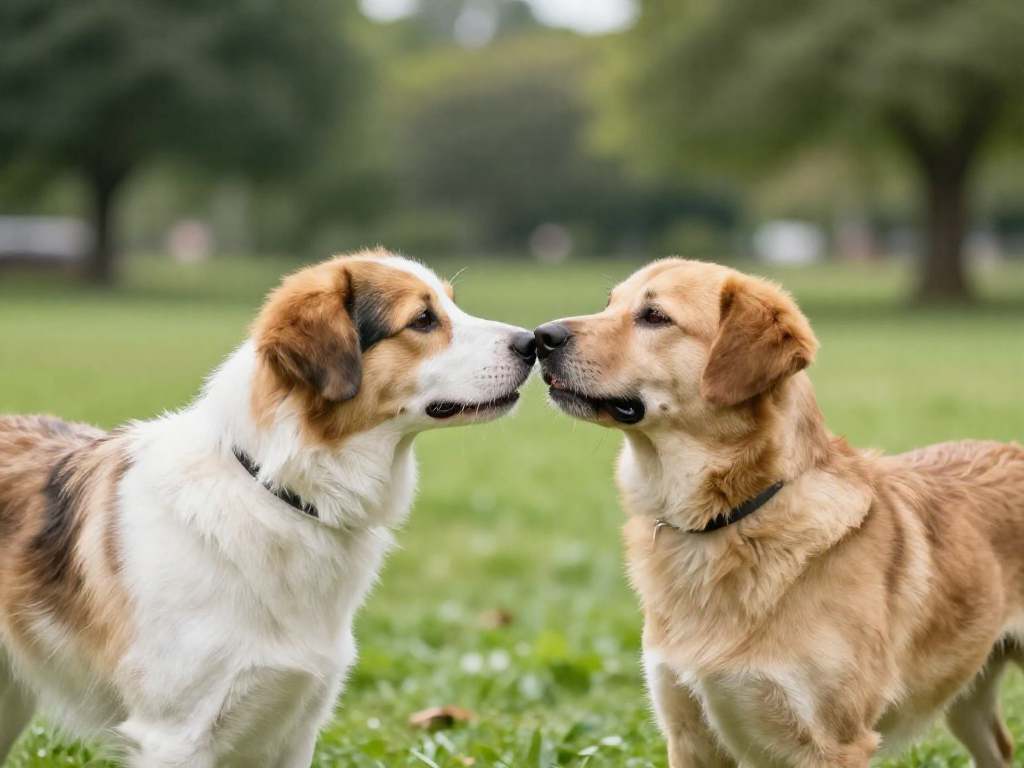
When two dogs meet and sniff each other's rear ends, they're not being rude—they're shaking hands! For dogs, a quick sniff is a polite "hello" and the very first thing they do when meeting someone new.
Here's why it works: dogs have special scent glands near their tails that release a kind of personal ID card. With one good whiff, a dog can learn another dog's:
- Age (puppy or grown-up?)
- Mood (calm, excited, or nervous?)
- Health (feeling great or a little sick?)
That's a lot of info from a single sniff!
Dogs do the same thing with people. When a new visitor comes over, your dog might sniff their hands, shoes, or legs to figure out who they are, where they've been, and whether they have other pets at home.
Best of all, sniffing helps dogs remember. Once your pup "files away" a friend's scent, they can recognize that person—or that dog—the next time they meet, like spotting a familiar face in a crowd.
The Secret Second Nose: A Dog's Hidden Smell Organ
Here's the wild part: your dog has a second nose tucked inside its head. Sitting in the roof of the mouth is the Jacobson's organ (also called the vomeronasal organ), a special scent detector that picks up smells the regular nose can't.
Its main job? Catching pheromones — invisible chemical "messages" animals release to signal things like mating readiness or fear. That's why dogs sometimes freeze with a slightly open mouth, curled lip, and chattering teeth: they're funneling scent up to this hidden organ for a closer read.
So when your pup sniffs intensely, two smell systems are actually working at once — the ordinary nose and the secret one — giving them a far richer picture of the world than we'll ever have.
Should You Let Your Dog Sniff on Walks?
Yes—and your dog will thank you for it! Letting a dog stop and smell the bushes isn't a waste of time; it's the best part of their walk. Researchers call these slow, sniff-packed strolls "sniffaris," and giving dogs the freedom to explore with their noses can help them feel happier, calmer, and more satisfied.
Here's why it matters:
- Sniffing is enrichment. Reading the "news" left by other animals gives your dog's brain a workout, much like a puzzle does.
- Rushing is frustrating. Constantly tugging your dog away from a good smell cuts off how they understand the world.
- It's an easy upgrade. Trade one fast lap for a relaxed "sniffari" and let your dog set the pace.
A little extra sniff time turns an ordinary walk into a great day.
See also
- Why Do Dogs Tilt Their Heads?
- How Do Dogs See in the Dark?
- Why Do Dogs Wag Their Tails?
- What Animals Have the Best Sense of Smell?
Related articles
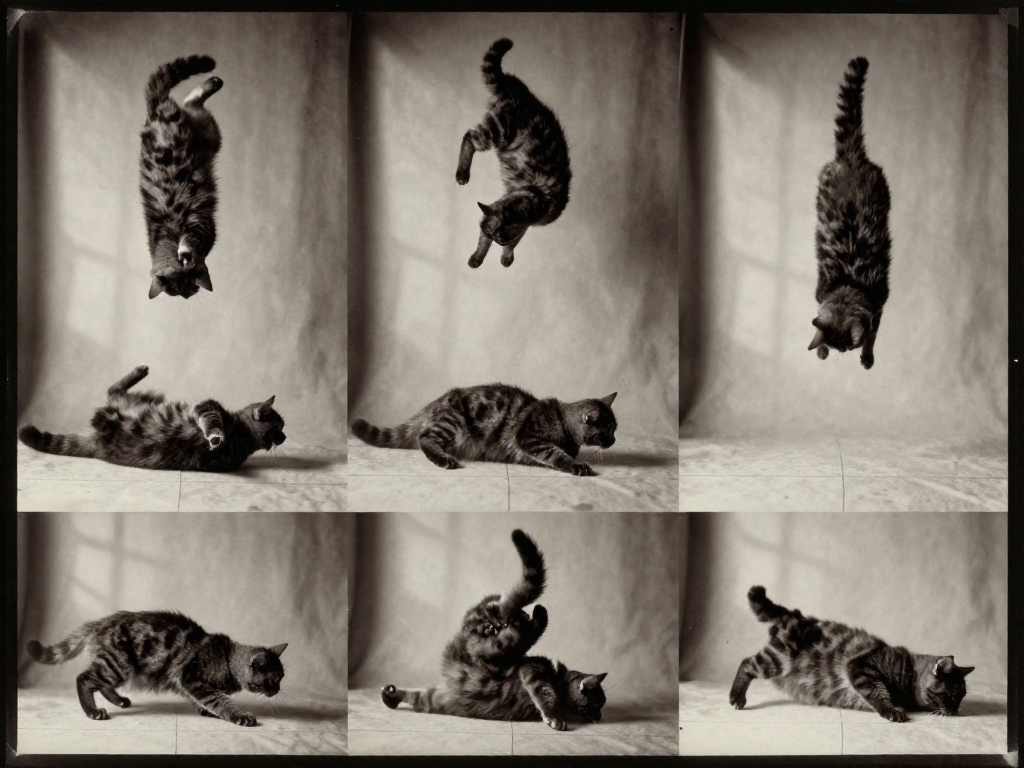
Why Do Cats Always Land on Their Feet? The Physics of Feline Righting
Discover the real reason cats land on their feet—it’s not the tail or magic. Learn the step-by-step righting reflex, the surprising physics behind the twist, and why higher falls can sometimes be safer.
Jul 28, 2026 · 4 min read

Why Do Fireflies Glow? And Other Summer Night Questions
Discover the simple science behind firefly bioluminescence, their coded flash language, and family-friendly tips for enjoying these magical insects without harm.
Jul 20, 2026 · 6 min read
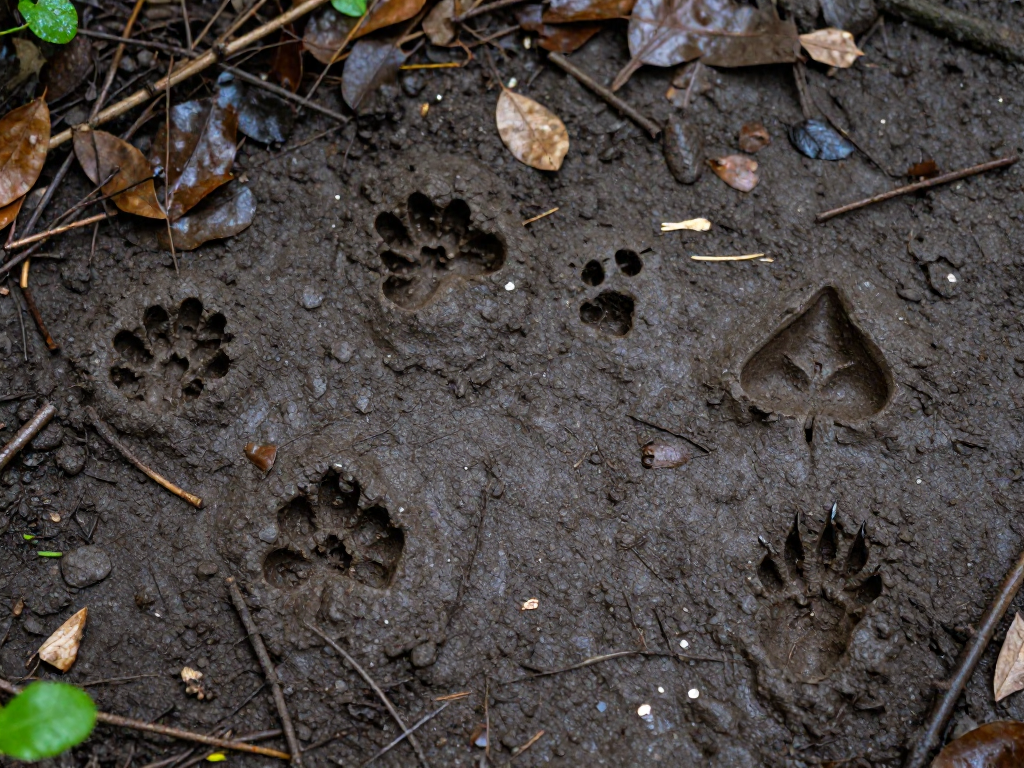
Quick Reference: Common Animal Tracks to Spot in Your Backyard
What animal tracks might you find near your home, and how do you identify them?
Jul 20, 2026 · 4 min read